Summary
Home automation has rapidly transformed modern living by enabling homeowners to enhance convenience, security, and energy efficiency through the integration of smart devices and systems. By automating routine tasks and centralizing control of lighting, climate, security, and entertainment, these technologies tailor the home environment to individual preferences while reducing operational costs and environmental impact. The growing adoption of standardized communication protocols such as Zigbee, Z-Wave, and the emerging Matter standard further facilitates interoperability among devices from different manufacturers, simplifying setup and future-proofing smart home ecosystems.
This article highlights five innovative automation tricks that can significantly improve everyday living: smart lighting control, programmable routines, climate management, automated shading, and advanced security features. These strategies leverage voice assistants, sensors, and centralized hubs to create seamless, energy-efficient, and secure home environments. Beyond convenience, smart automation can actively deter intruders and optimize energy usage, offering tangible benefits for both safety and sustainability.
While the advantages of home automation are substantial, the increasing connectivity of devices introduces notable cybersecurity risks. Vulnerabilities in smart home products have been exploited to disrupt security functions or invade user privacy, underscoring the importance of robust encryption, network security practices, and device selection based on proven security track records. The article also addresses best practices and tools to safeguard smart home systems, emphasizing multi-factor authentication, firmware updates, and secure network configurations as essential measures.
Looking ahead, future trends in home automation focus on enhanced interoperability, improved security frameworks, and the integration of AI-driven features that further personalize and simplify home management. Advances such as device-to-cloud security services and smarter energy management promise safer, more efficient, and user-friendly smart homes, reflecting ongoing innovation in this dynamic field.
Benefits of Home Automation
Home automation offers numerous advantages that enhance convenience, security, energy efficiency, and overall lifestyle quality. By integrating various smart devices, homeowners can tailor their living environment to meet their preferences while optimizing functionality and safety.
One of the primary benefits of home automation is improved security. Systems that include smart locks, cameras, sensors, and alarm integrations serve as effective deterrents to burglars and intruders. Visible security devices and signs indicating the presence of a security system discourage potential criminals from targeting a home, thereby enhancing peace of mind for residents.
Energy efficiency is another significant advantage. Smart devices such as automated lighting, HVAC controls, and thermostats monitor real-time data and adjust energy usage accordingly, which can substantially reduce utility bills. For example, automated systems can turn off lights and heating or cooling in unoccupied rooms, minimizing unnecessary energy consumption. Smart thermostats, like the Ecobee Premium, maintain comfort while optimizing energy use through automated and remote adjustments.
Convenience and ease of use also stand out as important benefits. Home automation allows for centralized control of various devices, making it simple to manage lighting, climate, entertainment, and security from a single interface. Consumers tend to prefer “plug and play” solutions that require minimal technical expertise, which increases adoption rates and user satisfaction.
Additionally, home automation systems offer cost-effectiveness and customization. Homeowners can start with beginner-friendly devices for essential functions and gradually expand with DIY components tailored to specific needs. This modular approach balances affordability with flexibility, accommodating both novice users and tech enthusiasts who wish to experiment with specialized automations.
Interoperability and future-proofing are key considerations in modern home automation. Utilizing standardized communication protocols like Z-Wave, Zigbee, and the emerging Matter standard ensures that devices from different manufacturers can work together seamlessly and securely. These protocols emphasize strong encryption and user privacy, fostering reliable and scalable smart home ecosystems that adapt to technological advancements.
Finally, the integration of AI and smart devices increasingly automates routine tasks, improving safety, convenience, and energy savings. As machines take on more functions, homeowners benefit from enhanced comfort and reduced bills, making smart homes an attractive investment for the future.
Essential Equipment and Technologies
A well-rounded home automation system relies on a combination of essential equipment and technologies that work together to create a seamless smart living experience. Central to most setups is a smart home hub or control system, which connects and manages various devices such as lighting, thermostats, locks, and security cameras. This control can be accessed via a home hub, smartphone apps, voice assistants, or touchscreen keypads, typically communicating over Wi-Fi, Bluetooth, or protocols like Z-Wave.
Smart hubs that support universal device languages, such as Matter, simplify integration by allowing devices to connect directly without complicated setups, ensuring convenience and broader compatibility across ecosystems. These hubs serve as the backbone for remote monitoring and control, enabling homeowners to manage their systems from anywhere.
Lighting automation is one of the most impactful aspects of home automation. Essential components include smart bulbs, switches, dimmers, and sensors, many of which offer plug-in or built-in smart capabilities. These can be controlled via smartphones or voice assistants like Amazon Alexa and Google Assistant, often without the need for an additional hub. Advanced lighting systems can simulate natural light cycles, enhance circadian health, and create ambiance through customizable colors and brightness levels, as well as provide security features such as “mockupancy” that mimics occupancy patterns to deter intruders.
Climate control technologies, particularly smart thermostats, play a significant role in both comfort and energy efficiency. Devices like the Google Nest thermostat incorporate Wi-Fi connectivity, enabling users to schedule, monitor, and adjust temperatures remotely. These thermostats learn occupants’ behaviors to optimize settings automatically, thus reducing energy consumption and lowering utility costs while contributing to environmental sustainability.
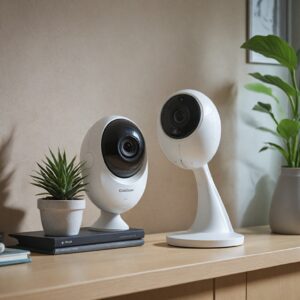
Security devices form another crucial element of smart homes. These include smart locks, motion sensors, connected security cameras, and video doorbells that provide real-time alerts and remote access, enhancing home safety beyond traditional locks and alarms. Integration with automation hubs allows users to monitor and control these devices conveniently, but securing the network and all connected devices is vital to prevent unauthorized access and protect personal data.
The versatility of home automation equipment also supports customization and gradual system expansion. Beginners can start with easy-to-use, high-quality devices for basic functions such as lighting and security, and progressively add DIY or specialized sensors to tailor the system to their unique needs. Together, these technologies form the essential foundation for transforming a home into an intelligent, efficient, and secure living space.
Communication Protocols in Home Automation
Communication protocols form the backbone of home automation systems by enabling seamless interconnectivity and interoperability among devices. These protocols serve as the common language through which smart home devices communicate, ensuring a cohesive and efficient smart living environment. The selection of an appropriate protocol depends on factors such as range, power consumption, bandwidth, compatibility, and security.
Zigbee
Zigbee is a low-power, wireless communication protocol designed for low-cost, short-range devices operating primarily in the 2.4 GHz frequency band. It employs a mesh network topology, where devices act as nodes to extend network coverage and automatically reconfigure to maintain connectivity if a node fails. This self-healing capability makes Zigbee particularly suitable for smart home applications requiring reliability and energy efficiency.
Despite being faster and open-source compared to some alternatives, Zigbee has a limited range—approximately 35 feet—which is somewhat mitigated by its mesh networking abilities. Compatibility can also be an issue, as not all devices bearing the Zigbee mark guarantee interoperability with every Zigbee-based system. Nevertheless, its low power consumption and open nature contribute to its popularity in the smart home ecosystem.
Z-Wave
Z-Wave is a proprietary wireless protocol known for its longer range, typically up to 100 feet per device, and global compatibility. It supports up to 232 connected devices within a single network, which suffices for most home automation setups. Z-Wave emphasizes security, using AES encryption to protect device communications and user privacy.
However, Z-Wave has a slower transmission speed compared to Zigbee, limiting its suitability for high-bandwidth applications such as security cameras or high-quality audio streaming. It is supported by various popular brands including Yale, Honeywell, and Logitech, and is integrated into platforms like SmartThings and Lowes Iris.
Wi-Fi
Wi-Fi is a widely adopted wireless technology that operates on 2.4 GHz and 5 GHz frequency bands and follows the IEEE 802.11 standard. Unlike Zigbee and Z-Wave, Wi-Fi connects devices through a router, enabling direct internet connectivity for smart home devices. It is supported across all major platforms—Amazon, Google, and Apple—making integration straightforward and flexible.
While Wi-Fi provides high bandwidth and broad device compatibility, it consumes significantly more power than Zigbee or Z-Wave and can congest home networks when multiple IoT devices operate simultaneously, potentially resulting in slower speeds. Security on Wi-Fi networks depends largely on the protocols running over it rather than Wi-Fi itself.
Other Protocols
Bluetooth is another common protocol for smart homes, offering low-cost, easy installation and mesh capabilities. However, it has a shorter effective range and slower response times compared to Zigbee, Z-Wave, and newer protocols like Thread and Matter. GSM provides long-range communication but requires mobile plans and is less common in typical home automation scenarios.
KNX, an open and mature protocol used primarily in building automation, supports multiple physical layers including twisted pair wiring and power line networking. Its decentralized topology allows every unit in the KNX system to operate independently without reliance on a central controller.
Emerging Standards
The Matter standard, developed by the Connectivity Standards Alliance and supported by major industry players, aims to enhance interoperability by enabling secure, end-to-end encrypted communication across different ecosystems. It promises to unify diverse devices and protocols, simplifying the consumer experience in home automation.
Five Genius Automation Tricks
One of the most impactful ways to enhance your living space is through smart lighting automation. By installing smart bulbs, switches, and integrating a central hub, you gain precise control over lighting intensity, color, and scheduling. Voice assistants like Amazon Alexa and Google Assistant enable hands-free operation, allowing commands such as “Turn on the living room lights” or “Dim the bedroom lights to 50%” to create customized ambiance effortlessly. Advanced systems like Control4 elevate this experience by offering circadian lighting that adjusts brightness and color temperature throughout the day to support natural rhythms, while also providing features like “mockupancy” to simulate presence when you’re away for security purposes.
Another clever automation trick is the use of smart routines or macros, programmable sequences that trigger multiple actions simultaneously. For example, a “Good Morning” routine might open blinds, start the coffee maker, adjust the thermostat, and play news—all with a single voice command or tap on your mobile device. Conversely, a “Good Night” routine can lock doors, turn off lights, and arm security systems, streamlining daily tasks and enhancing convenience.
Smart climate control is a vital element of home automation, offering both comfort and energy savings. Smart thermostats can be programmed to follow schedules that adapt to your lifestyle, reducing heating or cooling when rooms are unoccupied and ensuring ideal temperatures upon return. Some require a C-wire for continuous power, so installation considerations vary depending on home wiring. These devices often integrate with voice assistants and mobile apps, allowing remote adjustments and even automatic generation of maintenance alerts in response to extreme temperature conditions. For property managers, smart climate controls also help reduce energy waste and operational costs across multiple units.
Incorporating automated shading and drapery control is another sophisticated trick to optimize natural light and privacy. Programmed to open and close based on sun position or occupancy sensors, automated shades can reduce glare, protect furnishings, and help regulate indoor temperatures, contributing to energy efficiency. Such scenes can be combined with lighting and climate settings to create seamless environmental adjustments throughout the day.
Finally, leveraging smart security systems adds both protection and peace of mind. Automation features like security cameras with motion detection, alarm-triggered light flashing, and routine-based locking mechanisms deter intruders and alert homeowners to unusual activity. Integration with voice assistants and mobile alerts ensures users stay connected to their home’s safety from anywhere, enabling proactive responses to potential threats.
Together, these five genius automation tricks—smart lighting, programmable routines, climate control, automated shading, and smart security—demonstrate the transformative potential of modern home technology, making everyday living more convenient, energy-efficient, and secure.
Practical Tips and Best Practices for Setup
When setting up home automation systems, choosing devices with intuitive controls and broad appeal is crucial to ensure ease of use and higher adoption rates among all users, including residents and site teams. Smart thermostats, for example, should offer features such as automated temperature scheduling to maintain comfort in vacant units while optimizing energy consumption, thereby reducing operational costs. A mixed approach to device selection—combining beginner-friendly, high-quality components for essential functions like lighting, climate, and security with DIY devices for specialized needs—strikes a balance between cost-effectiveness and customization, allowing gradual system expansion and flexibility.
Proper installation and troubleshooting are essential to maintain reliable operation. Before installation or repair, documenting existing wiring through photographs helps prevent confusion during reassembly. Power issues, such as error messages indicating insufficient power supply to smart thermostats, should be diagnosed carefully to identify the root cause before applying solutions. Network connectivity is another key factor; checking Wi-Fi signal strength directly via device settings and consulting manufacturer support resources can help resolve interference problems. Restarting both the smart device and the router is a simple yet effective step to refresh connections and restore functionality. Furthermore, keeping router firmware updated is recommended to ensure optimal performance and security for connected devices.
Security considerations must be integrated into every stage of setup and maintenance. Since smart home devices often communicate via cloud services, they can be vulnerable to cyberattacks. Employing devices that use standardized communication protocols such as Z-Wave, Zigbee, and the emerging Matter standard enhances interoperability while providing robust encryption methods like AES to secure user data and prevent unauthorized access. Users should also adopt a holistic security strategy that protects the entire smart ecosystem, as vulnerabilities in one device can expose others on the same network to risk. Awareness of such risks is critical, as compromised devices may not only lose functionality but can also undermine important safety features like video surveillance.
Ease of use remains a major barrier for many consumers integrating home automation. Preference tends to lean toward “plug and play” solutions that minimize setup complexity, encouraging broader adoption and seamless integration into daily routines. Supporting this, platforms that consolidate control over climate, lighting, sensors, and locks into a single, convenient app help prevent user frustration caused by juggling multiple interfaces. Finally, supporting Wi-Fi connectivity and ensuring reliable device-to-app communication prepares solutions for scalability and mass deployment.
By following these practical tips—selecting flexible and user-friendly devices, documenting installations, maintaining strong network performance, prioritizing security, and focusing on ease of use—users can establish robust, efficient, and secure home automation systems that enhance both comfort and peace of mind.
Integration and Interoperability of Devices
Effective integration and interoperability are fundamental to building a cohesive home automation system. Communication protocols and standards play a critical role in enabling devices from different manufacturers to work together seamlessly, thus creating a unified smart living environment. Popular protocols such as Wi-Fi, Zigbee, and Z-Wave each offer distinct advantages regarding range, power consumption, and bandwidth, allowing users to tailor their automation ecosystems according to specific needs.
Standardized protocols promote interoperability and future-proofing, ensuring that devices can communicate efficiently and adapt to technological advancements over time. Security is also a priority, with many protocols like Zigbee and Z-Wave employing AES encryption to protect device communications and maintain user privacy. The emerging Matter Standard, developed by the Connectivity Standards Alliance and supported
Security Considerations in Home Automation
Home automation systems often integrate various smart devices such as security cameras, door locks, and sensors, enabling remote surveillance, access control, and centralized locking of perimeter doors and windows. These features provide homeowners with increased convenience, peace of mind, and the ability to automate routines to deter potential intruders. Additionally, home automation can enhance accessibility for individuals with mobility challenges by allowing control through voice commands or mobile applications.
However, the connectivity of these traditionally standalone devices introduces significant cybersecurity risks. An estimated 80% of Internet of Things (IoT) devices are vulnerable to a wide range of cyberattacks, as linking devices such as lights, appliances, and locks to the internet exposes them to potential hackers. Common threats include device hijacking, where attackers take control of a single device and potentially gain access to the entire smart home network.
Several studies have highlighted critical design flaws in popular smart home devices, revealing that many contain vulnerabilities that can be exploited without the user’s knowledge. For example, hackers could prevent security cameras from recording crucial video evidence or disrupt the flow of information from smart devices, compromising both security and forensic investigations. Such vulnerabilities also raise concerns about domestic abuse scenarios, where abusers with router access could upload malware to block security signals.
The risks associated with home automation security can be mitigated through informed consumer choices and robust security protocols. It is essential to evaluate manufacturers based on their history of data breaches, the use of encryption to protect data, and the frequency of automatic security patches offered to users. Despite these challenges, ongoing consumer research and advances in security measures continue to improve the safety of smart home ecosystems.
Best Practices and Tools for Securing Home Automation
Securing a smart home automation system is essential to protect personal data, prevent unauthorized access, and ensure the smooth functioning of connected devices. Since smart devices and hubs are vulnerable to hacking—especially when connected to cloud services—implementing robust security measures is critical.
Network Security
A secure home network forms the foundation of any effective smart home setup. It is important to use strong encryption standards like WPA3 for Wi-Fi to safeguard communications between devices and the router. Regularly updating your router’s firmware enhances both performance and security, reducing vulnerabilities that hackers might exploit. Additionally, setting unique, complex passwords for Wi-Fi and all IoT accounts is essential to prevent unauthorized network access. Monitoring network activity through tools like Wireless Network Watcher can help identify unfamiliar devices connected to your network, offering an extra layer of vigilance.
Device and Account Protection
Since many smart home devices are managed via mobile apps requiring user accounts, using distinct, strong passwords for each service is necessary to avoid cascading breaches if one account is compromised. Enabling two-factor authentication (2FA) on smart device accounts provides additional security by requiring a secondary verification method beyond just a password. It is also advisable to keep all smart device firmware and software up to date, either through automatic updates or manual checks, to patch known vulnerabilities promptly.
Hub and Protocol Considerations
Choosing the right hub and network protocol can influence your system’s security. While Ethernet connections do not inherently provide high-level security for smart homes, they enable secure data transmission protocols over wired networks. Wireless protocols like Wi-Fi are prevalent but must be secured carefully, while newer low-power protocols such as Thread offer mesh networking options that can enhance reliability and security when properly implemented. Some hubs support local automations that limit cloud dependency, reducing exposure to online threats.
Comprehensive Security Measures
To mitigate risks of hacking and malware infections, securing all hubs, routers, and smart devices as a collective system is necessary. Utilizing comprehensive security suites designed for home networks can provide buffers against malicious attacks and suspicious activity. If a device is compromised, network segmentation and firewalls can help contain the threat, preventing malware from spreading across the entire home network. Regularly reviewing the security track record and encryption standards of smart device manufacturers before purchase also helps avoid devices prone to breaches.
By adopting these best practices and leveraging appropriate tools, homeowners can greatly reduce the risks associated with smart home automation and enjoy the convenience, efficiency, and peace of mind that these technologies offer.
Automation Tricks with Built-In Cybersecurity Measures
When integrating automation tricks into your home, incorporating built-in cybersecurity measures is essential to protect your smart devices and personal data. Since any device connected to the internet, including security cameras and smart hubs, can be vulnerable to hacking, securing your network and devices is paramount.
One effective trick is to choose automation devices and hubs that emphasize local processing over cloud dependence. Local automation reduces exposure to the internet, thereby lowering the risk of remote cyberattacks that can disrupt device functionality without the user’s knowledge. For example, some lighting and security systems can operate independently of a constant internet connection, enhancing security while maintaining automation benefits.
Implementing multi-factor authentication (MFA) on accounts associated with smart devices provides an additional security layer. Even if a hacker obtains your password, MFA requires a secondary form of verification—such as an authenticator app—preventing unauthorized access. Regularly updating device firmware and router software is another critical practice, as manufacturers often release patches to close security vulnerabilities discovered after product deployment.
Choosing devices that use strong encryption protocols for data transmission and storage also fortifies your home automation network. Leading companies implement cutting-edge encryption to protect personal information, making it difficult for attackers to intercept or manipulate data. Additionally, selecting smart home products built on widely supported and secure communication protocols—such as KNX or Z-wave—ensures better interoperability and security standards.
Lastly, securing your home network by keeping routers updated and using strong, unique passwords can prevent intruders from accessing connected devices. Domestic abusers and other malicious actors often exploit weak network security to upload malware or disable security signals in smart homes. Therefore, a comprehensive approach to cybersecurity—combining secure devices, authentication measures, encryption, and network vigilance—is vital for safely enjoying home automation.
Real-World Examples of Integrated Automation Systems
Integrated automation systems exemplify the potential of smart home technology by combining multiple devices and functions under a single control point. One prominent example is the Samsung SmartThings Hub, which acts as a central hub connecting a wide array of smart devices through the Zigbee protocol. This hub enables seamless management of diverse functionalities such as security, climate control, and lighting within one cohesive ecosystem, illustrating the effectiveness of integrated home automation solutions for both residential and business applications.
These systems rely heavily on standardized communication protocols like Zigbee, Z-Wave, and Wi-Fi to ensure interoperability among devices from different manufacturers. Zigbee, for instance, operates on a low-power mesh network that automatically reconfigures itself if any node fails, maintaining robust connectivity throughout the home. Similarly, Z-Wave offers a reliable, though somewhat slower, communication protocol used by many smart locks and home security devices. Both protocols incorporate AES encryption to safeguard user privacy and device communications, addressing common security concerns inherent in IoT ecosystems.
Despite the convenience of centralized control, security remains a critical consideration. Smart home hubs can become vulnerable points of entry for attackers if not properly secured, potentially exposing sensitive data such as Wi-Fi credentials. Studies highlight that even small IoT devices without robust encryption increase the risk of privacy invasion, underscoring the importance of securing every connected device and network component in an integrated system.
Future advancements, such as the adoption of the Matter standard led by the Connectivity Standards Alliance, aim to enhance interoperability and security across ecosystems. This will enable users to build more seamless, scalable automation systems that adapt to evolving technologies while maintaining end-to-end encrypted communication. Together, these developments demonstrate how integrated automation systems are evolving to provide more comprehensive, user-friendly, and secure smart home experiences.
Future Trends in Home Automation
The future of home automation is poised to be shaped by advancements in interoperability, security, and smart device integration. One of the most significant trends is the adoption of standardized communication protocols that enable seamless interaction between devices from different manufacturers. Protocols such as Z-Wave, Zigbee, and the emerging Matter Standard, led by the Connectivity Standards Alliance, emphasize secure, end-to-end encrypted communication, ensuring user privacy while expanding system compatibility across diverse ecosystems. This shift towards unified standards promises greater future-proofing and enhanced device cooperation in smart homes.
Security remains a critical focus in upcoming home automation developments. Solutions like the Rambus CryptoManager IoT Security Service exemplify the industry’s move toward comprehensive device-to-cloud security, lifecycle management, and robust defense mechanisms against cyberattacks such as distributed denial of service (DDoS). These measures are essential as connected homes become more complex and reliant on Internet-of-Things (IoT) devices.
Moreover, the integration of home robots and advanced security systems will offer enhanced functionality, including remote surveillance, centralized access control, and automated perimeter security. As these technologies evolve, users will benefit from more intelligent, convenient, and safer living environments.
Energy efficiency will also continue to improve through smarter automation systems capable of monitoring and adjusting energy consumption in real time. Automated lighting, HVAC systems, and other smart devices will reduce waste by responding dynamically to occupancy and usage patterns, contributing to cost savings and environmental sustainability.
Finally, voice-activated assistants and customized routines will become even more sophisticated, enabling users to automate multiple tasks simultaneously with simple voice commands, thereby increasing convenience and personalization within the home. Collectively, these trends indicate a future where home automation is more secure, interoperable, efficient, and user-friendly than ever before.
The content is provided by Sierra Knightley, Home Upgrade News