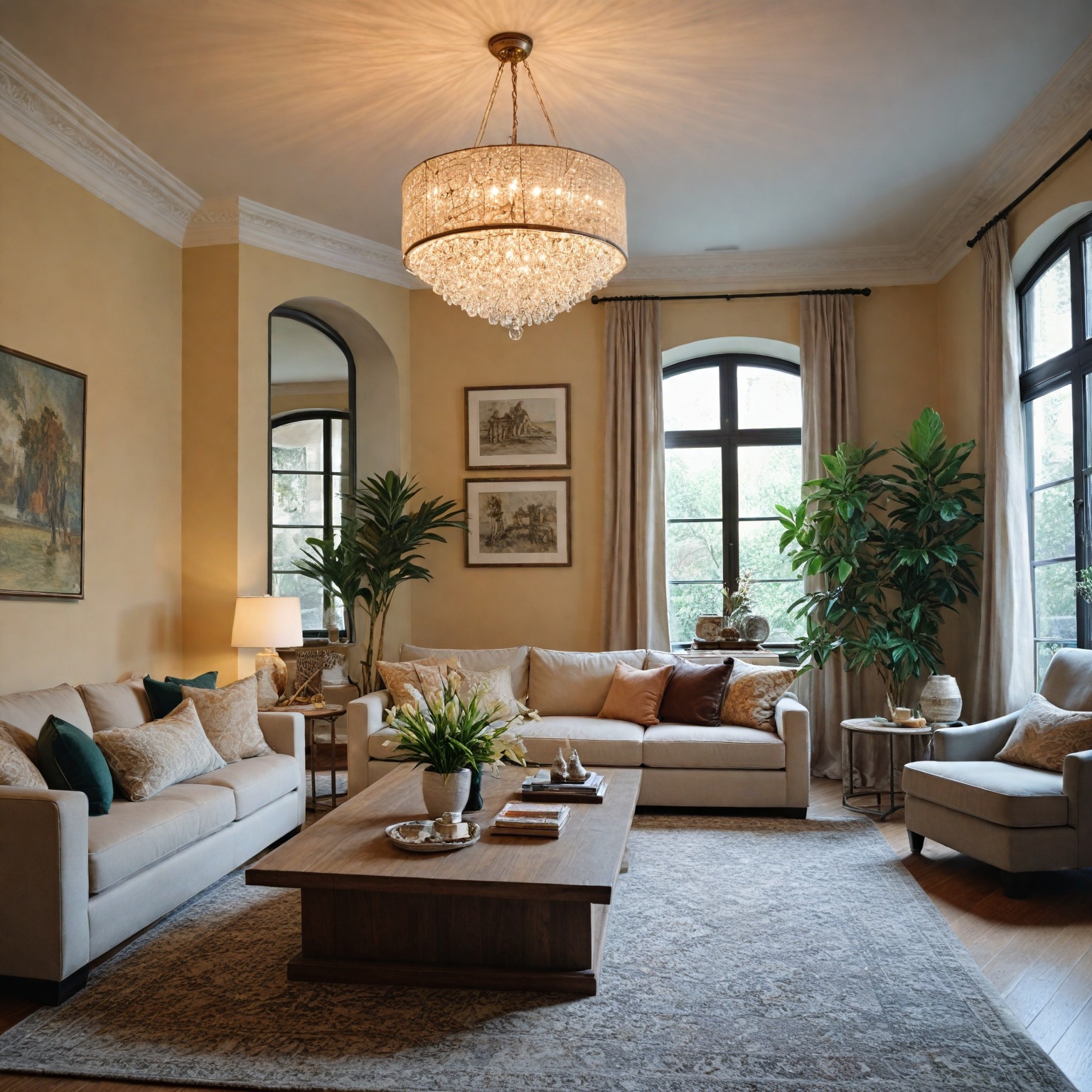
Summary
Transform Your Living and Dining Room: Explore Costs, Inspiring Design Ideas, and Open Plan Solutions offers a comprehensive guide for homeowners looking to renovate and reimagine their living and dining spaces. Combining practical budgeting advice with current design trends, this resource addresses key considerations—from initial planning and cost management to selecting materials, furniture, and lighting. It highlights the growing popularity of open-plan layouts and provides strategies for optimizing space, enhancing functionality, and creating inviting environments that reflect personal style and lifestyle needs.
The page emphasizes the importance of setting a realistic budget that includes contingency funds for unexpected expenses, alongside exploring financing options such as home equity loans. It advises engaging licensed contractors and professional designers to navigate complex renovations, avoid common pitfalls, and ensure compliance with building codes. Detailed cost breakdowns illustrate how factors like room size, scope of work, and material quality impact overall expenses, offering homeowners transparency and control over their projects.
Design trends for 2024 featured in the article focus on multifunctional furniture, natural materials, and the strategic use of color to create cohesive and comfortable living-dining areas. The guide also discusses zoning techniques within open-plan spaces—using furniture, lighting, and subtle color shifts to maintain flow while defining distinct areas. Moreover, it addresses challenges such as managing noise, ensuring adequate lighting, and scheduling labor to minimize disruptions during renovations.
Prominent controversies include balancing the appeal of open-plan designs with practical concerns like acoustics and privacy, as well as deciding between DIY approaches and professional assistance. The guide weighs these options, underscoring the value of expertise for complex projects while recognizing the appeal of DIY for smaller-scale updates. Overall, the article serves as a detailed roadmap for homeowners seeking to transform their living and dining rooms into functional, stylish, and enduring spaces.
Planning Your Living and Dining Room Transformation
When planning a living and dining room transformation, it is crucial to first assess your needs and identify pain points in your current space, such as areas that feel cramped, outdated, or inconvenient. This self-evaluation helps clarify what aspects require improvement and ensures the renovation aligns with your lifestyle and preferences. Once you have a clear vision, challenge yourself to consider not just the cost but how much you are willing to invest in the project. From this perspective, collaborating with a trusted remodeling partner can help determine what is achievable within your budget.
Budget management is one of the most common challenges in home remodeling. Experts recommend allocating a contingency fund of about 10% to 20% of your overall budget to cover unexpected expenses that may arise during the renovation process. Understanding the costs and financing options is also essential; for instance, while cash payments may be practical for smaller projects, larger-scale renovations often benefit from financing options such as home equity loans or personal loans, which provide greater flexibility.
Engaging with a licensed and insured general contractor (GC) is advisable to obtain detailed pricing estimates and transparent plans. Reputable GCs will explain the scope of work and budget breakdown thoroughly, helping to avoid surprises and ensure a smooth renovation experience. Additionally, considering projects that not only improve comfort but also add value to your home—such as updating kitchens or creating home offices—can justify the investment and potentially enhance resale value.
For design considerations, integrating open-plan layouts has become a popular solution for creating spacious, functional living and dining areas. Thoughtful design and layout planning are key to tackling the challenges associated with open-plan spaces and avoiding common mistakes that can compromise flow and usability. This approach allows for a flexible and inviting environment, perfect for entertaining and socializing.
Color selection plays an important role in setting the mood and unifying the living and dining zones. Rather than adhering to strict rules, focus on creating a palette that resonates with your space and personal style. Leveraging color psychology—using calming tones like blues and greens or energizing warm hues such as reds and oranges—can enhance the atmosphere. Balancing light and dark tones adds depth and dimension, while utilizing colors strategically on walls, furniture, textiles, and accessories highlights specific areas and features within the space.
By combining practical budgeting, professional guidance, and inspired design choices, you can successfully plan a living and dining room transformation that is both beautiful and functional.
Costs Involved in Transforming Living and Dining Rooms
Renovating living and dining rooms involves a range of costs influenced by various factors such as room size, scope of work, material choices, and regional pricing differences. Generally, renovation expenses can vary widely depending on whether the project is a simple update or a full-scale remodel.
Budgeting and Cost Ranges
A key budgeting guideline suggests allocating around 10% to 20% of the total budget as a contingency fund to cover unforeseen expenses during renovation. For living rooms, the cost per square foot typically ranges from $10 to $60, with high-end remodels exceeding this range. Average living room sizes fall between 250 and 400 square feet, where a mid-range remodel of a 250 sq.ft. room might cost between $2,500 and $15,000, while a larger 400 sq.ft. space could range from $4,000 to $24,000.
Factors Affecting Costs
The size and complexity of the renovation are major determinants of cost. Larger rooms require more materials and labor, naturally driving expenses higher. The scope of work also matters; full-scale renovations involving structural changes like removing walls or adding built-in features will be more costly than simpler updates such as painting or replacing furniture.
Material and finish selections have a significant impact as well. High-end materials, such as marble flooring, can cost between $3,000 and $14,750 and add a luxurious touch to the space. In contrast, more affordable options like porcelain flooring provide durability at a lower price, though they may lack the warmth of wood floors.
Specific Cost Components
Painting and Wall Treatments
Painting is one of the most cost-effective ways to refresh a living or dining room, typically costing between $2 and $6 per square foot depending on paint quality and job complexity. Accent walls or custom designs offer visual interest and character but may slightly increase costs.
Flooring
Flooring choices vary widely in price. Refinishing existing floors is a lower-cost option, sometimes combined with wall painting for as little as $1,500 total. Installing new hardwood or premium materials such as marble involves a higher budget but significantly elevates the room’s look and feel.
Furniture and Fixtures
Furniture expenses range from budget-friendly to luxury pieces. For example, a new couch may cost anywhere from $500 to $5,000, while a set including armchairs may range between $1,500 and $3,500 in a high-end remodel. Multipurpose and multifunctional furniture is increasingly popular in open-plan living spaces to maximize functionality without overcrowding.
Lighting upgrades are also common and involve ambient, task, and accent lighting layers to create balanced and versatile illumination. Custom lighting fixtures and window treatments further enhance the room’s ambiance and appearance.
Overall Considerations
Ultimately, a successful living or dining room transformation balances aesthetic goals with budget constraints. Homeowners are advised to price out materials first and anticipate labor costs as a percentage of those material expenses, typically multiplying material costs by 2 or 2.5 to estimate labor. Strategic planning, including careful material choices and phased projects, can help achieve a polished and refreshed space without overspending.
Common Types of Living and Dining Room Transformations
Transformations of living and dining rooms often revolve around optimizing space, enhancing functionality, and reflecting contemporary design trends. One prevalent approach is the creation of distinct zones within combo living-dining areas, which allows for a clear division of spaces while maintaining a cohesive flow. This can be achieved through thoughtful layout planning, such as using straight backs or corner elements to visually separate rooms without sacrificing connectivity, as seen in examples like Mihaela and Steven’s Barnet loft.
Open-plan living remains a popular design strategy, particularly for its ability to foster social interaction and accommodate larger gatherings. This layout maximizes open space by combining multiple rooms into one, creating a flexible and spacious environment ideal for entertaining guests. However, successfully designing open-plan areas requires careful consideration to avoid common pitfalls, such as poor zoning or cluttered spaces.
Another notable transformation trend for 2024 is the incorporation of natural materials in dining rooms. This design choice merges outdoor beauty with indoor sophistication, introducing rich textures and tones that elevate the space’s aesthetic appeal. Additionally, dedicated dining rooms are experiencing a resurgence, shifting beyond their traditional role to become multifunctional spaces that accommodate various activities beyond formal meals.
To personalize and add character, accent walls or custom designs can be integrated, providing focal points that enhance the room’s atmosphere. While these enhancements may increase costs slightly, painting and decorative touches remain affordable methods for dramatically transforming the space.
When planning living and dining room remodels, homeowners are encouraged to engage experienced contractors and designers early in the process. This collaboration helps refine ideas, anticipate challenges, and ensure the project aligns with budget and lifestyle needs. Proper preparation, including managing disruptions during remodeling and planning for final touches such as artwork and plants, is essential for a successful transformation.
Design Elements Impacting Cost and Aesthetics
Achieving an ideal balance between aesthetics and functionality is a central challenge in remodeling living and dining spaces. Collaborating with a professional designer is recommended to tailor the space to both visual appeal and practical needs, ensuring that the design remains timeless and suited to the homeowner’s lifestyle.
One of the simplest yet effective design choices is painting, which remains a relatively affordable way to transform a room. Accent walls or custom paint designs can create focal points and add character, although these may slightly increase costs depending on complexity and materials used. Despite this, painting typically costs less than other remodeling activities and can significantly refresh the space.
Furniture selection plays a critical role in both the room’s function and aesthetic. The price range for new furniture varies widely, from budget-friendly options to luxury pieces. For example, a couch can range from $500 to $5,000, with high-end remodels often featuring designer furniture, custom-built entertainment centers, elaborate lighting fixtures like chandeliers, and luxurious window treatments—all of which contribute substantially to the overall expense while elevating the room’s ambiance.
Flooring decisions are another major factor affecting both cost and design cohesion. When removing walls to create open-plan spaces, it is essential to replace or unify flooring to maintain a seamless look. Differing floor types between rooms may require additional work to achieve a consistent and solid feel. Options like porcelain tiles offer durability and affordability but may feel cold underfoot, leading some to opt for wood flooring in main areas while reserving tile for bathrooms or laundry rooms.
Lighting is a pivotal design element, especially in open-concept layouts. Proper lighting enhances both functionality and mood, with ambient lighting providing overall illumination, task lighting supporting specific activities, and accent lighting highlighting architectural or decorative features. Incorporating a combination of recessed lights, ceiling-mounted fixtures, chandeliers, and targeted task lights such as under-cabinet or pendant lighting ensures each area within an open space is appropriately lit while maintaining a cohesive look.
Open Plan Living and Dining Room Solutions
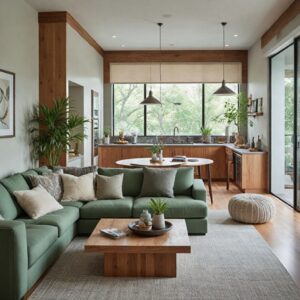
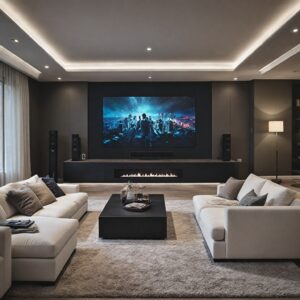
Open plan living and dining areas have become increasingly popular over the past few decades, offering a practical, versatile, and sociable space that fosters family interaction and connectivity by removing walls and doors that traditionally separate rooms. This layout creates a spacious, stylish, and functional environment where multiple activities can take place simultaneously while maintaining an open flow throughout the home.
Benefits and Challenges
The main advantage of an open plan is its ability to maximize the feeling of space and light, which is especially valuable in modern homes aiming for a bright and airy atmosphere. It encourages sociability and family bonding by integrating the kitchen, dining, and living areas into a unified space where everyone can relax and engage together. Additionally, the layout allows for flexible zoning, where different functional areas are defined without the use of physical walls, enabling a balance between openness and intimacy.
However, the open nature of these spaces can present challenges, such as sound traveling freely, making it harder to find quiet moments within the home. Furthermore, remodeling to create an open plan often requires significant investment, as it may involve structural changes and the use of specialized materials.
Zoning Strategies
Effectively zoning an open plan space is key to maintaining both functionality and aesthetic appeal. This can be achieved through various design techniques that subtly delineate areas while preserving the overall openness.
– Furniture arrangement: Using furniture to create visual boundaries, such as placing a sofa to separate the living area from the dining space.
– Rugs and textiles: Large rugs can define seating or dining zones, often chosen to complement the room’s graphic patterns and color scheme.
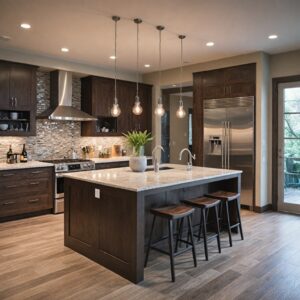
– Lighting: Layered lighting solutions, including ambient, task, and accent lighting, help differentiate zones and support their specific uses. For example, pendant lights over a dining table or under-cabinet lighting in the kitchen enhance both function and atmosphere.
– Color and texture: Subtle shifts in wall colors or textures can create distinct moods within each zone. Gradual transitions in color, such as a slightly darker shade in the dining area and lighter tones in the living space, maintain visual flow without abrupt disruption. Accent walls or feature designs can add character and serve as focal points within the open layout.
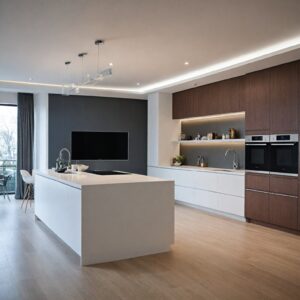
– Physical dividers: Elements like kitchen islands provide a mid-height separation that maintains sightlines and light flow while defining spaces. More permanent options, such as glass dividers, offer separation without sacrificing openness.
Design Considerations
Achieving the ideal balance between aesthetics and functionality requires careful planning, often with professional input. The space should reflect the lifestyle and needs of the inhabitants, incorporating timeless design elements for longevity. Incorporating natural materials and textures, a trend for dining rooms in 2024, brings warmth and sophistication to open plan areas by connecting indoor and outdoor sensibilities.
Personal touches, such as artwork or architectural features, can be highlighted through targeted accent lighting like picture lights or decorative floor lamps, which also add depth and warmth to the environment. Flooring choices are important as well; seamless transitions without interruption from door bars or floor strips reinforce the continuous flow that open plans seek to achieve.
Popular and Emerging Design Trends
As 2024 approaches, interior designers and enthusiasts are eagerly anticipating new trends that will redefine living and dining spaces. These trends aim to balance aesthetics with functionality while reflecting evolving lifestyles and preferences.
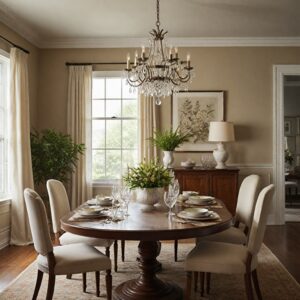
One notable dining room trend for 2024 is the rise of curved and Bouclé chairs. These pieces are characterized by their rounded shapes and soft, fluffy fabrics, inviting warmth and comfort into the dining area. Complementing these furnishings, natural materials such as wood and stone are increasingly favored for their ability to blend indoor sophistication with the beauty of the outdoors, creating a textured and inviting environment.
In living rooms, multifunctional furniture continues to gain prominence, particularly in open-plan layouts. Furniture that serves multiple purposes—such as coffee tables with storage, extendable dining tables, or low bookcases doubling as room dividers—helps maximize space without sacrificing style. This approach encourages thoughtful selection of pieces that reflect the actual usage of the space, fostering a practical yet elegant atmosphere.
The combination of living and dining areas also benefits from careful consideration of seating arrangements and color palettes. Balancing seating to accommodate different functions and employing harmonious colors and complementary furniture styles can create spaces that are both stylish and practical. This hybrid approach caters to various room sizes and design preferences, enhancing cohesion within open-plan homes.
Color trends for 2024 emphasize both psychological impact and visual depth. Calming hues like blues and greens are recommended to establish serene atmospheres, while warm colors such as reds,
Initial Steps in Planning a Remodel
Planning a remodel requires careful preparation and consideration to ensure the project proceeds smoothly and meets expectations. The initial steps involve both practical arrangements and strategic planning.
First, it is essential to understand the impact the remodel will have on your daily life. Renovations can generate dust, noise, and access limitations, so planning how to manage these disruptions is crucial. This may include arranging temporary living spaces, protecting furniture, and securing areas not involved in the renovation. Removing personal items and valuables from construction zones helps prevent damage and loss during the work.
Engaging with experienced professionals such as interior designers, architects, or contractors early in the process can provide valuable insights. These experts can help refine your ideas, highlight potential challenges, and assist with design and logistical planning. They also play a key role in navigating building codes and permit requirements, which vary by locality. Understanding what regulations apply, especially for structural or electrical work, can prevent costly delays or compliance issues.
Budget management is another critical element at the outset. Establishing a clear and realistic budget, including a contingency fund of around 10% to 20% for unforeseen expenses, helps mitigate financial surprises. Consulting a licensed and insured general contractor can aid in obtaining detailed pricing estimates and transparent cost breakdowns. A common rule of thumb is to calculate labor costs as a multiplier of material costs, often between 2 and 2.5 times, particularly for exterior renovations.
Finally, thorough planning involves a series of phases—design, permitting, construction, punchlist, and final completion—each requiring thoughtful scheduling to avoid derailing the timeline. By addressing these initial steps comprehensively, homeowners can set a solid foundation for a successful and satisfying remodel.
Managing Challenges in Living and Dining Room Renovations
Renovating living and dining rooms, especially on a grand scale, can present numerous challenges that require careful planning and professional expertise to navigate successfully. Major renovations, such as knocking down walls or relocating doors, often uncover unexpected issues like hidden plumbing or electrical systems that can extend the timeline and increase costs. Being prepared for such surprises by engaging experienced builders, engineers, and designers early in the process helps mitigate delays and manage expectations effectively.
Securing permits is another potential hurdle that can add significant time to the project. Typically, it is advisable to allocate an additional three months in the renovation timeline to accommodate permit processing and unforeseen obstacles. Delays in permits or complications during construction are common, so flexibility and proactive communication with local authorities and contractors are essential.
The impact of renovations on daily life is an important consideration during the planning phase. Dust, noise, and restricted access to certain areas can disrupt household routines. Arrangements for storing furniture and protecting unaffected spaces can help minimize inconvenience. Additionally, a final inspection and walk-through ensure that the completed work meets expectations before personalizing the space with artwork and décor.
Common design pitfalls should be addressed early on to avoid functional or aesthetic issues. Overcrowding the room with furniture, inadequate lighting, or poor flow of movement are frequent mistakes that can undermine the renovation’s success. Striking a balance between beauty and practicality is crucial, especially when considering how changes will affect the home’s resale value.
Lighting plays a key role in creating ambiance and usability within open-concept living and dining areas. A combination of ambient, task, and accent lighting tailored to each zone ensures a cohesive and functional environment. For example, recessed lighting and ceiling-mounted fixtures provide overall illumination, while pendant lights and under-cabinet lights serve specific tasks like dining or reading. Addressing lighting needs comprehensively from the start prevents costly modifications later.
Ultimately, managing the challenges inherent in living and dining room renovations involves realistic budgeting, clear communication with professionals, and a willingness to adapt to unforeseen issues. While surprises are inevitable, thorough preparation and expert guidance can transform potential obstacles into opportunities for creating a harmonious and inspiring living space.
Remodeling Timeline and Labor Scheduling
Remodeling a living or dining room involves multiple phases that require careful planning and coordination to ensure a smooth process. The timeline for such renovations varies significantly depending on the scope and complexity of the project. Smaller updates, like simple cosmetic changes, typically take between 2 to 4 weeks, while more extensive remodels involving structural changes or custom features can extend the timeline to several months.
The process often begins with thorough preparation, including sealing off adjoining rooms with plastic sheeting to control dust and noise, and protecting furniture or areas not being renovated. This phase helps mitigate the daily life disruptions caused by remodeling activities and sets the foundation for a cleaner workspace. Engaging with contractors, architects, or interior designers early on can provide valuable insights that may help anticipate potential delays or challenges in the schedule.
During the demolition phase, unexpected issues such as discovering plumbing or electrical lines behind walls can extend the timeline. These surprises, while common, necessitate design adjustments and additional labor, often impacting subsequent stages of the project. If the remodel involves moving walls, rerouting plumbing, or upgrading electrical systems, these tasks represent some of the most labor-intensive aspects and are critical to completing the structural changes.
One of the major milestones in the remodeling timeline is the installation of cabinets or built-ins, which usually takes 3 to 5 days and marks a visible transformation in the space. However, delays in material delivery or appliance installations can add extra time and costs, making it essential to build some flexibility into the schedule. Additionally, securing necessary permits can add up to three months to the overall timeline, depending on local regulations and processing times.
Labor scheduling must account for the various stages of the remodel, balancing the workload of demolition, construction, installation, and finishing touches. Coordinating these phases carefully helps avoid idle time and ensures that each step progresses without unnecessary interruptions. It is also important to plan for final inspections and personalizing the space with decorative elements once construction concludes.
Ultimately, homeowners should be prepared for the emotional ebb and flow of a remodeling project, often described as phases like the “Honeymoon,” “Midproject Crisis,” “Renewal of Vows,” and “Happily Ever After,” reflecting the unpredictable pace and challenges encountered throughout. For those considering a remodel but planning to move within a year or two, the investment in time and labor may outweigh the benefits. Proper timeline management and labor scheduling are key to achieving a successful living or dining room transformation that meets both functional and aesthetic goals.
DIY vs Professional Assistance
When deciding between a do-it-yourself (DIY) approach and hiring professional assistance for living and dining room renovations, several factors should be considered, including skill level, budget, project scope, and desired outcome.
DIY Considerations
DIY projects can offer greater control over the renovation process and may reduce labor costs. Prioritizing projects based on your skill set, available time, and budget is essential to ensure success. Breaking payments into manageable installments throughout the renovation can help fit the project into your financial plan without overwhelming your resources. However, DIY is generally better suited for smaller-scale or less complex tasks, and homeowners should be cautious not to exceed their expertise to avoid costly mistakes.
Professional Assistance
Hiring a professional contractor or designer brings valuable experience and expertise, especially for comprehensive living and dining room remodels. A contractor with specific experience in such renovations can guide the planning and execution phases efficiently, ensuring the project meets safety and quality standards. Additionally, certain trades may require licensing that varies by location, making professional involvement not only practical but sometimes mandatory. Professional designers can also provide bespoke solutions, such as custom furniture tailored to the space and the homeowner’s lifestyle.
Balancing DIY and Professional Work
Many homeowners find a hybrid approach effective—handling simpler tasks themselves while entrusting complex or technical aspects to professionals. Understanding the scope and costs involved beforehand helps determine which elements are feasible to tackle independently and which require expert intervention. Ultimately, the choice between DIY and professional assistance should align with personal capabilities, project complexity, and long-term goals for the living and dining areas.
Case Studies and Examples
One notable example of effective living and dining room design is Eva Longoria’s dining room, which interior designers have praised for perfectly balancing comfort and drama. This approach demonstrates how a carefully curated space can combine style with functionality to create an inviting atmosphere.
When considering remodeling projects, the needs of the household play a crucial role in determining design priorities. For instance, families with young children might emphasize durable, easy-to-clean surfaces and ample storage, ensuring the space remains practical and safe. Conversely, homeowners who frequently entertain may opt for an open, inviting layout that facilitates social interaction and fluid movement within the space.
Open concept renovations exemplify how merging rooms can revitalize outdated interiors. By increasing natural light, creating lively entertaining spaces, and boosting home value, such designs have become highly popular. However, their suitability depends on the existing home structure and budget constraints.
From a financial perspective, various strategies can be employed to manage renovation costs. Some homeowners break up payments over the course of the project to fit their budgets better, especially for do-it-yourself initiatives that do not require full payment upfront. Using cash for such expenses is advisable only when it does not disrupt other financial goals. Alternatively, borrowing options such as home equity loans, HELOCs, or renovation loans allow for immediate project commencement and can help free up funds for other priorities, though they may come with interest costs and increased debt.
High-end remodels often include premium features such as marble flooring, custom wood paneling, and designer furnishings. These elements add elegance and depth but significantly increase costs, requiring careful budgeting that includes a contingency fund of about 10% to 20% for unforeseen expenses.
Finally, choosing a contractor with specific experience in living room renovations is essential to ensure the successful planning and execution of the project. Their expertise can provide valuable guidance tailored to the homeowner’s vision and practical needs.
Collectively, these examples and considerations illustrate how personal lifestyle, design goals, and financial planning converge to shape successful living and dining room transformations.
Maintenance, Upkeep, and Longevity of Renovated Spaces
Maintaining and preserving the quality of renovated living and dining spaces, particularly those with open concept designs, requires ongoing attention to both functionality and aesthetics. Open concept renovations, while popular for their ability to bring in more light and create lively entertaining areas, may also demand specific upkeep practices to ensure their longevity.
One important aspect of maintenance is regular cleaning to prevent wear and tear on frequently used surfaces and flooring. Since open layouts often mean higher foot traffic and more visible spaces, keeping these areas clean can help maintain their fresh, updated look. Additionally, the integration of consistent design elements across joined rooms means that any damage or discoloration can stand out more prominently, so prompt repairs are advisable.
The location of the home also influences maintenance considerations and costs. Environmental factors such as humidity, temperature fluctuations, and local weather conditions can impact the materials used in renovations, affecting their durability and the frequency of upkeep required. Homeowners should factor these elements into their long-term maintenance plans to protect their investment.
The content is provided by Avery Redwood, Home Upgrade News