Summary
Unlock Your Creativity: 3 Fun Painting Projects with Essential Tools is a practical guide designed to inspire artists of all ages and skill levels to explore painting as a form of creative expression. By combining accessible project ideas with recommendations for essential tools and materials, the article emphasizes how painting can foster imagination, reduce stress, and promote artistic growth. It highlights simple, enjoyable projects that encourage collaboration, personal interpretation, and experimentation, making creativity approachable for beginners and experienced painters alike.
The article underscores the importance of selecting the right tools—such as quality brushes, rollers, masking tape, and protective drop cloths—to improve efficiency and enhance the overall painting experience. It also advocates for embracing mistakes and unconventional materials as part of the creative process, helping artists overcome blocks and discover new techniques. By addressing both the practical and inspirational aspects of painting, the guide serves as a comprehensive resource for those seeking to unlock their artistic potential.
In addition to project ideas and tool recommendations, the article explores diverse painting styles, from realism to mixed media, and offers tips for creating a safe, beginner-friendly environment. It further promotes group activities and theme-based paintings as ways to strengthen social bonds and encourage empathy, particularly among families and young children. These elements collectively demonstrate painting’s role not only as an individual pursuit but also as a means of community engagement and personal development.
While generally celebratory of painting’s benefits, the article implicitly acknowledges challenges such as the temptation to cut costs on supplies or the frustration beginners may face, advising instead investment in quality tools and gradual skill-building. By balancing practical advice with creative encouragement, Unlock Your Creativity: 3 Fun Painting Projects with Essential Tools offers a well-rounded introduction to painting that aims to empower artists to express themselves freely and enjoyably.
Encouraging Creativity Through Painting
Painting is a versatile and rewarding form of creative expression that invites artists of all skill levels to explore their imagination and emotions. It offers endless possibilities to experiment with color theory, texture, and various painting techniques, enabling artists to develop a unique and meaningful style. Engaging in painting not only nurtures artistic skills but also serves as a relaxing activity that reduces stress and boosts creativity.
To foster creativity, it is important to approach painting with an open mind and a sense of fun. Embracing mistakes as part of the process encourages artistic freedom and helps overcome blocks in creativity. Whether you are uncertain about what to paint or seeking new inspiration, starting with simple projects or experimenting with different brush types can help maintain motivation and spark innovation.
Essential Tools and Materials for Painting Projects
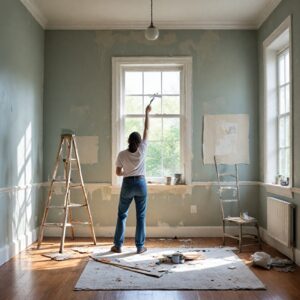
Successful painting projects rely heavily on selecting the right tools and materials tailored to the specific task at hand. Whether you are undertaking a home improvement or an artistic endeavor, having a well-rounded kit can significantly enhance both efficiency and results.
Brushes and Rollers
A core component of any painting project is a set of high-quality brushes and rollers. For home or interior painting, it is recommended to have at least three brushes of varying sizes: a large brush (4–6 inches) for covering broad flat areas, a medium brush (2–3 inches) for door edges and skirting boards, and a small brush (1/2–1 inch) for precise cutting in around edges. For finer artistic work, artists typically use a diverse collection of brushes such as flat, round, filbert, fan, and wash brushes to achieve different textures and strokes.
When painting walls or ceilings, a 9-inch roller paired with a roller frame and a painter’s tray is ideal for smooth and efficient coverage. Rollers come in natural fiber, synthetic fiber, or foam varieties, allowing selection based on the paint type and surface. Additionally, an extendable pole (ranging from about 30 inches to 5 feet) can ease the process of painting high or hard-to-reach areas. For touch-ups, inexpensive throw-away 2-inch brushes are useful and convenient.
Paint Application and Preparation Accessories
Beyond brushes and rollers, other tools improve speed, precision, and cleanliness. Protective drop cloths are essential for floor and furniture protection; modern options like CoverGrip Safety Drop Cloths have tacky surfaces to prevent slipping on various floor types, which is an improvement over traditional canvas cloths that tend to shift around. Masking tape and dispensers, such as the 3M ScotchBlue Painter’s Tape Applicator and Hand-Masker, are highly recommended for masking baseboards, trim, and walls quickly and accurately.
Heavy-duty plastic trays offer advantages over metal trays, as paint cleaning is easier and the trays are more durable. A damp rag is also indispensable for quickly wiping drips and mistakes during the painting process.
Paints and Specialty Materials
For artistic projects, mixing acrylic paints with water or thinning mediums is common to achieve desired consistency and opacity, with testing done beforehand since acrylics dry darker than when wet. Artists are encouraged to experiment with a variety of materials beyond traditional brushes, including sticks, sponges, and masking tape to create unique effects. Finger painting is also cited as a fun and accessible method for all ages, promoting creativity and motor skills.
Choosing Quality Tools
While cost-saving is a natural consideration, investing in high-quality tools often reduces frustration and leads to better outcomes. For example, Corona Cortez brushes, made from a Nylon/polyester blend, are praised for superior paint application and durability in both interior and exterior projects. However, affordable art supplies can also produce excellent results if users focus on mastering techniques and understanding their tools and paints rather than just the price tag.
Overview of Painting Projects
Painting projects offer a wonderful opportunity to celebrate creativity and promote a positive culture by highlighting the best aspects of humanity, from lighthearted fun to thought-provoking ideas. Whether you are a novice or an experienced painter, engaging in painting activities can help you discover your inner artist and express yourself freely.
The creative process involves refining ideas and gradually building towards a final piece or collection. Inspiration may lead you in a clear direction or pull you in multiple directions, which is a natural part of creative exploration. Maintaining a regular creative practice helps keep new ideas flowing and allows your artistic vision to evolve.
Exploring different painting styles and techniques not only enhances your appreciation of the artistic process but also fuels your own creativity. Experimenting with unique materials—such as salt to add texture, puffy paints for a 3D effect, or cotton balls for softness—can enrich the sensory and emotional experience of painting, particularly beneficial for young children’s sensory processing and emotional expression.
Ultimately, painting projects encourage self-expression by challenging you to consider what your artwork represents: whether it reflects empirical reality, illusion, or your personal creative vision. Reflecting on why you create—whether to communicate a message, help others see differently, or deepen your understanding of the world—can enhance the meaning and impact of your work. Above all, embracing mistakes and allowing your creativity to shine leads to a more fulfilling artistic journey.
Detailed Descriptions of the Three Painting Projects
The first project involves a Large Canvas Painting, which encourages teamwork and collective creativity. Family members or participants collaborate on a single large canvas or sheet of paper, each contributing their own artistic elements. This method not only fosters collaboration but also strengthens family bonding by combining individual efforts into one cohesive piece.
The second project centers on Theme-Based Painting, where participants select a common theme, such as sunflowers, and each individual interprets that theme in their own unique way. This approach allows for personal expression within a shared context, helping artists explore different perspectives while maintaining a unifying concept across their works.
The third project focuses on incorporating Found Objects into paintings to add interest and depth. Natural materials such as leaves, twigs, or other elements can be embedded within or attached to the artwork, enhancing texture and dimensionality. This technique encourages experimentation and can lead to unexpected creative outcomes, embracing the spontaneous nature of art and the acceptance of mistakes as part of the creative process.
Recommended Painting Styles and Techniques
Painting styles are as diverse as the artists who create them, each offering unique ways to express creativity and capture different aspects of the world. One of the most popular styles is Realism, which focuses on accurately depicting subjects in detailed and lifelike ways, allowing artists to explore the nuances of light, texture, and perspective. Beyond Realism, various art movements and styles have historically influenced how artists approach their work, reflecting changing social themes, attitudes, and artistic philosophies throughout history.
Exploring different painting styles not only broadens an artist’s skill set but also sparks curiosity and creativity. By experimenting with diverse techniques and approaches, artists can find new ways to convey their ideas and emotions. This exploration encourages a deeper appreciation for art history and the evolution of artistic expression, making the creative process engaging and fun.
To successfully apply these styles, artists rely on essential painting tools such as flat brushes, round brushes, filberts, fan brushes, and wash brushes. Each type of brush supports specific painting techniques and helps create varied strokes and textures needed for different styles. A diverse collection of paints and tools enables artists to adapt to multiple projects and refine their techniques, ultimately unlocking their full creative potential.
Creating a Beginner-Friendly and Safe Painting Environment
When starting out with painting, creating a beginner-friendly and safe environment is essential to encourage experimentation while minimizing frustration and mess. For novices, using an art journal rather than a traditional canvas can be a less intimidating way to practice techniques and explore different tools and materials. Art journals provide a more manageable surface to experiment on before advancing to textured canvases that are ideal for acrylic or oil paints and allow brushstrokes and texture to stand out.
To protect your workspace and maintain cleanliness, using specialized drop cloths like the CoverGrip Safety Drop Cloth is highly recommended. Unlike traditional canvas drop cloths that tend to shift during use, this plastic-like material has a slightly tacky surface that keeps it firmly in place on various flooring types such as wood, tile, concrete, or carpet. This feature reduces the need for taping edges and helps keep the painting area tidy, which is particularly useful for beginners.
Equipping yourself with the right tools also contributes to a safe and efficient painting environment. Investing in three high-quality brushes—a large (4–6 inch) brush for flat areas, a medium (2–3 inch) brush for edges and skirting boards, and a small (½–1 inch) brush for cutting in—can simplify the process and improve results. Additionally, using a paint roller with an adjustable pole can make reaching high or large surfaces easier and less physically demanding.
Masking off areas such as baseboards and trims can be expedited and done neatly with tools like the 3M Hand-Masker, which applies tape and paper simultaneously and cuts them to size with a simple twist. This not only speeds up preparation but also helps avoid accidental paint spills and clean-up challenges.
By starting with manageable materials, protecting the workspace effectively, and using appropriate tools, beginners can create a safe, inviting, and efficient painting environment that encourages regular practice and growth in their artistic skills.
Enhancing Creativity Through Painting
Painting is an enriching art form that provides limitless opportunities for creative expression. By mastering fundamental concepts such as color theory, texture, and various painting techniques, artists can unlock their full potential and produce unique, meaningful works of art. Embracing mistakes as a natural and liberating part of the creative process further encourages experimentation and personal growth.
One effective way to enhance creativity is through the use of structured frameworks that facilitate the generation of fresh ideas. For example, brainstorming sessions using simple tools like paper and pens can help artists quickly produce numerous painting concepts, making the creative process more efficient and enjoyable. This approach not only nurtures innovation but also helps overcome common obstacles like artist’s block, fostering sustained artistic productivity.
Family and group painting projects provide additional avenues for boosting creativity while promoting collaboration and social skills. Activities such as working together on a large canvas, creating theme-based paintings where each participant interprets a common subject differently, or making handprint family trees encourage teamwork and individual expression within a shared context. These projects help develop empathy, cooperation, and communication, especially among young children, while unlocking imagination and artistic freedom.
Exploring diverse painting styles, from realism to abstract art, broadens an artist’s creative repertoire and deepens appreciation for the thought and process behind each piece. By learning and experimenting with different techniques and styles, artists can fuel their own creativity and continually evolve their work. Whether a beginner or an experienced painter, having access to inspirational ideas and tools can ignite the imagination and elevate one’s artistic journey.
Additional Resources
For artists looking to expand their skills and explore new techniques, having access to a variety of resources can be invaluable. A comprehensive set of essential painting tools—including flat, round, filbert, fan, and wash brushes—provides a strong foundation for experimenting with different strokes, textures, and styles across multiple projects. Depending on the surface and type of paint used, selecting the right tools is crucial, and many artists may already have useful accessories from past projects or household items that can be repurposed.
Exploring diverse painting styles, such as Realism, helps artists develop a deeper understanding of artistic expression and historical art movements. This knowledge not only enriches appreciation for the creative process but also inspires new approaches to artwork. Mixed media techniques, which incorporate materials like paper, fabric, or found objects, offer additional ways to add texture and interest, encouraging experimentation beyond traditional painting methods.
For those engaged in professional painting or art businesses, choosing appropriate equipment is essential to maintaining efficiency and profitability. Comprehensive equipment lists are often available for download to aid in planning and procurement. Additionally, online tutorials and creative communities provide ongoing inspiration and guidance, making it easier for artists to continue learning and refining their craft.
The content is provided by Harper Eastwood, Home Upgrade News