
Summary
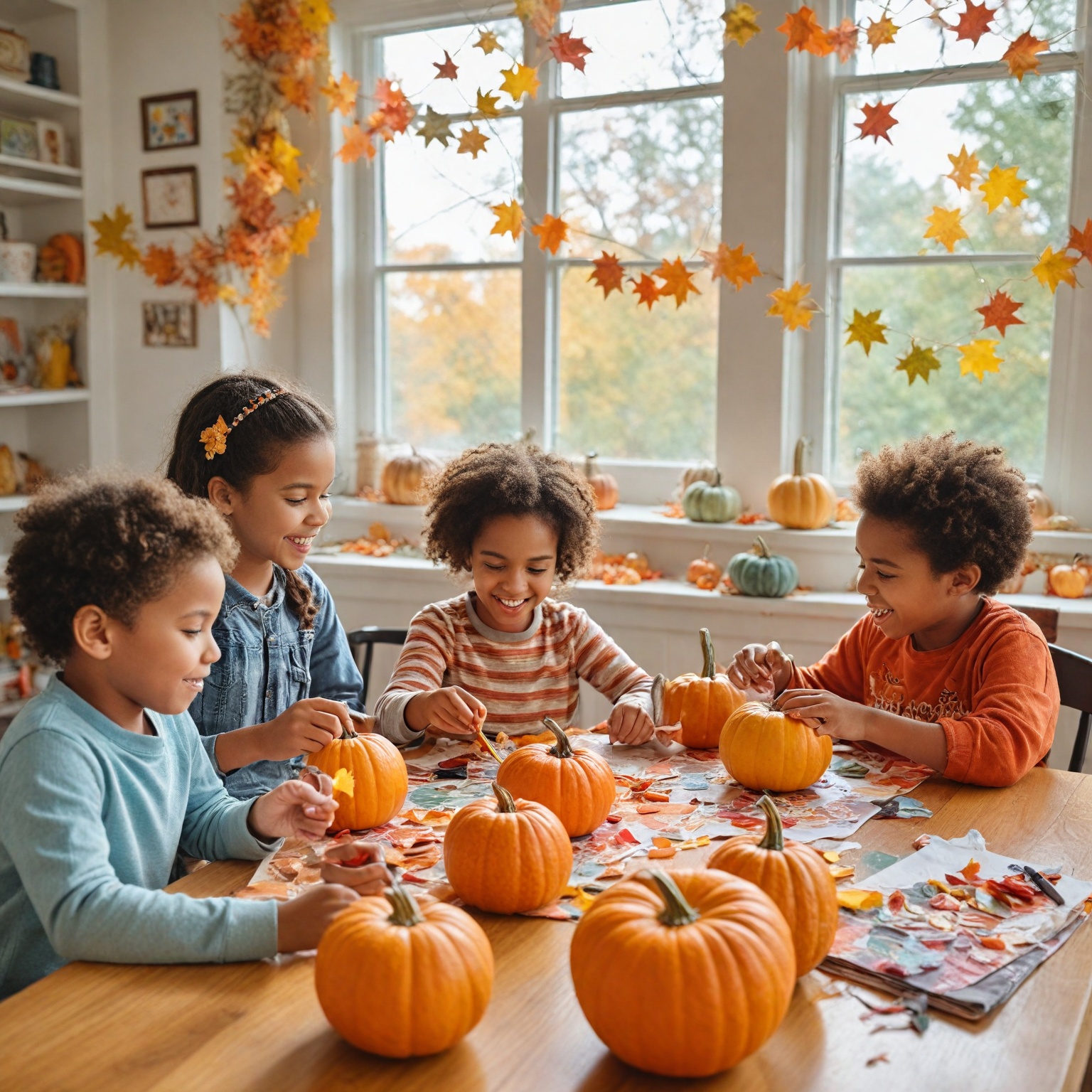
6 Fun and Creative Pumpkin Decorating Ideas for Kids is a guide designed to inspire safe, engaging, and educational pumpkin decorating activities for children. Focusing primarily on no-carve techniques, the article highlights creative approaches that foster fine motor skill development, cognitive growth, and family bonding while minimizing safety risks commonly associated with traditional pumpkin carving. These ideas are notable for their adaptability to various age groups and settings, making pumpkin decorating an accessible seasonal craft that combines fun with developmental benefits.
The article outlines six innovative decorating methods suitable for kids, including sticker resist art, puffy paint patterns, nature-inspired embellishments, painted character themes, collaborative family projects, and activities aimed at enhancing fine motor skills. Each idea emphasizes the use of non-toxic, washable materials and safe tools, promoting creativity without exposure to sharp instruments. Incorporating natural elements like leaves and acorns not only enriches sensory experiences but also encourages outdoor exploration and social interaction among children.
Safety considerations are central to the article, with guidance drawn from experts such as the American Academy of Pediatrics. It stresses age-appropriate supervision, the use of faux pumpkins or no-carve alternatives, and process-focused engagement to ensure children can enjoy pumpkin decorating without injury. This focus on safety, combined with developmental insights, underlines the educational value of pumpkin decorating beyond seasonal celebration.
Beyond crafting, the article connects pumpkin decorating to broader developmental themes, including cognitive sequencing, hand-eye coordination, and sensory regulation. It also addresses ways to display and preserve decorated pumpkins, recommends strategies to engage young children effectively, and presents related STEM activities that extend the learning potential of pumpkin-themed projects. Collectively, these points establish pumpkin decorating as a multifaceted activity that blends creativity, education, and safety for young learners.
Materials and Tools
A variety of materials and tools can be used to decorate pumpkins in fun and creative ways, especially suited for kids. Faux pumpkins with cut-out shapes offer a great base for decoration using objects found at home or craft stores, providing a mess-free alternative to carving. Natural materials such as acorns, berries, and fall leaves are popular choices, encouraging children to bring a bit of the outdoors inside and engage with nature while decorating.
Stickers, including stationery store varieties like hole reinforcement stickers, circle stickers, and mailing labels, are excellent for no-carve decorating projects. They can be used as-is or creatively incorporated into sticker resist art by painting over them and then removing them to reveal unique designs. Tempera paint is recommended for this technique due to its easier removal compared to other paints such as BioColor. Alphabet and number stickers can also serve a dual purpose by promoting fine motor skills and literacy through interactive pumpkin decoration activities.
Non-toxic, washable paints are highly recommended to allow children to explore their creativity freely and safely, as they can get as messy as they like without concerns. Additionally, puffy paint can be applied in patterns such as dots, stripes, or monograms to add texture and visual interest once dried, especially when layered with a solid color for a sophisticated look.
Other creative materials include decorative tapes like washi tape, fresh or artificial flowers for floral displays, candy corn, and black markers to transform pumpkins into themed characters. For tactile and imaginative play, children can also use small blocks, pretend pumpkins, hay bales, felt pieces, and farm toys to build a miniature pumpkin patch setup, further enhancing the sensory and social experience.
Safety Considerations
When engaging children in pumpkin decorating activities, ensuring safety is paramount. The American Academy of Pediatrics provides helpful tips to maintain a safe environment while celebrating the fall season. Parents and caregivers are encouraged to use appropriate tools and techniques tailored to the child’s age and skill level to prevent injuries during pumpkin carving or decorating.
A key safety strategy is to emphasize the process rather than rushing to the final product, allowing children to develop fine motor skills at their own pace. Supervising children closely while they use carving tools is essential, and delegating tasks such as sorting pumpkin seeds or scooping out the insides can build hand strength without exposing them to sharp instruments. Non-toxic, washable paints and stickers offer safer alternatives to traditional carving, reducing mess and risk. Additionally, using faux pumpkins for decoration can eliminate hazards associated with real pumpkin carving, making it a suitable option for younger children.
Incorporating group activities, such as gathering nature supplies for decorating, promotes social skills while maintaining safety through collective supervision. Overall, planning pumpkin decorating projects with safety in mind ensures that children can enjoy the creative and sensory benefits of these activities without unnecessary risks.
Six Fun and Creative Pumpkin Decorating Ideas
Decorating pumpkins without carving is a popular and safe activity for children of all ages, encouraging creativity and fine motor skill development. Here are six fun and creative ideas that have been successfully used in family and classroom settings.
1. Sticker Resist Art
Using stationery stickers such as hole reinforcement stickers, circle stickers, or mailing labels, children can decorate pumpkins by applying stickers in various shapes and patterns. After placing the stickers, paint over the pumpkin with tempera paint, then carefully remove the stickers to reveal the design underneath. This method is easy, mess-free, and yields a striking effect, making it especially suitable for young kids.
2. Puffy Paint Patterns
Another engaging idea involves creating textured patterns on pumpkins with puffy paint. Children can use rows of dots, stripes, or chevrons to decorate their pumpkins. Once the paint dries, the entire pumpkin can be painted over with a solid color to produce a sophisticated, textured look. This technique allows for tactile exploration and imaginative design.
3. Nature-Inspired Decorations
Incorporating natural materials enhances sensory experience and creativity. Children can collect leaves to use as stencils, creating colorful patterns on pumpkins by painting over them. Other natural additions such as acorns, corn husks, or fresh flowers can be attached to pumpkins to create vibrant, seasonal displays. This approach also encourages social interaction when children gather materials together.
4. Painted Characters and Themes
Painting pumpkins to resemble animals or characters is a versatile option. Examples include painting pumpkins black and adding paper wings to mimic bats or using candy corn and markers to transform pumpkins into hedgehog figures. Stacking pumpkins and painting snowman faces is another playful idea that extends the decorating season into winter.
5. Collaborative Family Art Projects
Pumpkin decorating can be a family-oriented art project that balances fun with safety. Younger children can draw designs on pumpkins with markers while adults handle carving. Alternatively, using paint, stickers, yarn, or glitter allows kids to create personalized pumpkins without the hazards of cutting. This collaborative approach fosters creativity and bonding while preserving pumpkin freshness longer.
6. Fine Motor Skill Development through Decorating
Pumpkin decorating serves as a practical way to develop fine motor skills essential for early childhood development. Activities such as peeling and placing small stickers, sorting seeds by size or color, or carefully painting within lines help children practice controlled hand movements and hand-eye coordination. Experts emphasize focusing on the decorating process itself as a learning experience rather than the final outcome.
Together, these ideas provide a wide range of safe, enjoyable, and educational pumpkin decorating activities that can be adapted for children of different ages and skill levels.
Preparation and Setup for Pumpkin Decorating
Preparing for pumpkin decorating with kids involves creating a safe, engaging, and skill-building environment. Before starting, ensure that pumpkins are clean and dry; for example, if using natural leaves for decoration, they should be fully dry to prevent mold under adhesives like mod podge. Setting up a workspace with all necessary materials—such as washable, non-toxic paints, stickers, and various craft supplies—helps facilitate a mess-free and enjoyable experience for children.
To foster creativity and fine motor development, gather a variety of decorations like acorns, berries, and other natural objects that children can collect and sort into categories before applying to their pumpkins. This activity promotes skills including visual scanning, observational abilities, and social interaction when done in groups. For younger children, consider using items like Mr. and Mrs. Potato Head pieces or small craft blocks painted like pumpkins to inspire imaginative play and decorate without the need for cutting or carving.
Additionally, providing tools for scooping out pumpkin seeds can enhance hand strength and hand-eye coordination, essential for early learning milestones. Encourage children to take their time and participate actively in all steps, such as washing the pumpkins with soapy water, which not only cleans but also introduces group collaboration opportunities. Incorporating props like small hay bales, felt pieces, and farm toys can further enrich the sensory and thematic experience, making pumpkin decorating a multifaceted educational project.
Strategies to Engage and Support Young Children
Engaging young children in pumpkin decorating activities provides a valuable opportunity to develop a range of skills while ensuring the experience remains fun and motivating. Experts emphasize focusing on the process rather than the final product, allowing children to build fine motor control, hand strength, and cognitive skills in an enjoyable setting.
One effective strategy is to delegate age-appropriate tasks that promote skill development. For example, allowing children to scoop out seeds helps build necessary hand strength and controlled force, which are foundational for tool use and classroom activities like handwriting and drawing. Sorting seeds by size or color can also enhance cognitive sequencing, a precursor to early mathematical understanding. Additionally, encouraging children to use their thumb and forefinger to gather small objects, such as acorns, supports the refinement of fine motor skills like the pincer grasp.
Involving children in group activities, such as gathering “nature supplies” for friends, not only cultivates social skills but also encourages cooperative play and communication. Process-oriented approaches to pumpkin decorating, including painting or no-carve methods, offer creative invitations for art exploration and family engagement without the risks associated with carving tools. These activities are particularly suitable for younger children or those new to pumpkin decorating.
Supporting children’s natural curiosity and motivation through hands-on and sensory-rich experiences enhances both skill acquisition and enjoyment. Parents and educators are encouraged to allow ample time for children to explore at their own pace, avoiding rushing or taking over tasks. Incorporating pumpkin decorating into family projects or classroom settings can foster a sense of accomplishment and reinforce the educational benefits of seasonal creative activities.
Cognitive and Developmental Benefits
Pumpkin decorating and carving activities offer numerous cognitive and developmental advantages for children. These activities engage fine motor skills, which are crucial predictors of later academic success. For example, carving a pumpkin helps children develop controlled force and hand-eye coordination, essential for tool use and drawing shapes in the classroom. Allowing children to scoop out seeds also builds necessary hand strength, while sorting seeds by size or color fosters cognitive sequencing, a precursor to early mathematical understanding.
In addition to fine motor development, pumpkin decorating can enhance social skills, especially when done in groups. Children gathering natural materials like acorns for their decorations practice pincer grasp movements and social cooperation by sharing supplies with friends. Furthermore, incorporating pumpkin decorating into family projects can promote a sense of collaboration and introduce young children to structured group activities.
Beyond fine motor skills, outdoor fall activities related to pumpkin picking and decorating support gross motor coordination and sensory regulation. Actions such as pushing wheelbarrows or dragging pumpkins provide heavy work that helps children manage sensory needs. Selecting a pumpkin requires visual-motor coordination as children judge size, shape, and weight, skills transferable to tasks like writing and dressing. Problem-solving is also enhanced as children decide which pumpkin to choose and how to approach the task, encouraging critical thinking and spatial awareness.
Displaying and Preserving Decorated Pumpkins
Once decorated, displaying pumpkins in a way that highlights their creativity while preserving their condition is important. To extend the life of decorated pumpkins, especially those that are not carved, using non-toxic, washable paints and craft materials like stickers, yarn, or glitter can help maintain their appearance without damaging the pumpkin surface. These materials are safe for children and encourage messy, imaginative play without worries.
For display, pumpkins can be arranged indoors or outdoors, but it is best to avoid direct sunlight or damp areas to prevent premature rotting. Faux pumpkins offer a durable alternative that can be reused year after year; cutting shapes such as ovals into them allows for additional decorative options while ensuring longevity.
Additionally, following safety tips from organizations such as the American Academy of Pediatrics can help ensure that holiday decorations remain safe for children during display periods. With these methods, decorated pumpkins can stay vibrant and intact, making festive displays enjoyable for longer periods.
Related Activities and Alternatives
Pumpkin decorating can be expanded beyond traditional carving to include a variety of fun and creative activities suitable for children of all ages. No-carve pumpkin decorating ideas are especially popular as they are safe, long-lasting, and encourage creativity through the use of materials such as felt, buttons, googly eyes, paint, and crayons. For example, children can create themed pumpkins inspired by their favorite characters from television shows, toys, or games, including cats, spiders, owls, and even Pokémon or Shopkins designs.
In addition to decorative projects, pumpkins also provide an excellent opportunity for hands-on STEM (Science, Technology, Engineering, and Mathematics) activities. Pumpkin STEM challenges, such as building pumpkin catapults, candy towers, or spiderweb bridges, engage students in problem-solving and engineering concepts. These activities often come with comprehensive lesson plans, instructions, and assessment rubrics, making them easy to incorporate into classroom or home learning environments for grades K-5.
Candy pumpkin STEM activities further blend seasonal fun with educational value by using edible materials to explore scientific principles. These engaging projects make complex subjects accessible and exciting, encouraging children to experiment and learn through tangible, often tasty, cooking-related challenges.
Family involvement is also encouraged through pumpkin-related projects, which foster creativity, fine motor skills, and quality time together. Simple activities like decorating paper pumpkins or using plastic pumpkins and utensils for pretend carving can be easily integrated into family or educational settings. Featuring such projects in newsletters or learning programs highlights their benefits and promotes family engagement in early childhood learning.
The content is provided by Avery Redwood, Home Upgrade News