Summary
Essential Design Choices You Must Make Before Constructing Your Dream Home is a comprehensive guide outlining the critical decisions prospective homeowners must address to ensure the successful realization of their custom residence. From preliminary planning and budget establishment to architectural style selection, structural design, and interior layout, the article highlights the multifaceted nature of home construction and emphasizes the importance of early, informed choices that profoundly impact the functionality, aesthetics, and longevity of a home.
The guide underscores foundational considerations such as selecting the right plot of land based on location, geography, and community amenities, as well as committing to an architectural style that harmonizes with personal tastes and environmental context. Structural elements, including foundation types and framing methods, are examined for their roles in ensuring safety, durability, and compliance with building codes. Detailed attention is given to interior design aspects like floor plan optimization, lighting design, and material finishes, which collectively enhance livability and adaptability to evolving lifestyles.
Sustainability and technology integration are also addressed, reflecting contemporary priorities for energy efficiency, resilience, and smart home functionality. The use of advanced construction methods such as Insulated Concrete Forms (ICF) and energy-efficient lighting exemplify the growing trend toward environmentally responsible and cost-effective building practices. Furthermore, the article stresses the necessity of assembling a qualified professional team—including architects, builders, interior designers, and engineers—to navigate the complex process, avoid costly errors, and maintain project momentum.
Notable challenges highlighted include the risk of budget overruns and schedule delays resulting from late-stage design changes or inadequate planning. The article advocates for early decision-making and ongoing professional consultation as strategies to mitigate these issues and ensure a smooth construction process. Overall, this resource serves as a foundational reference for anyone embarking on the complex journey of building a dream home, balancing technical requirements, personal aspirations, and practical constraints.
Preliminary Planning and Decision-Making
The initial phase of constructing a dream home revolves around thorough preliminary planning and critical decision-making, which significantly influence the project’s success. Early in the year, many homeowners begin the planning process, emphasizing the importance of setting clear goals and selections before construction starts. Establishing a preliminary budget and general investment figure is essential, as these financial parameters guide key decisions such as land selection and assembling a team of experts who will oversee the project. This professional team assists in refining the budget to include all costs, from construction materials to furnishings.
One of the foremost decisions involves selecting the right plot of land, which is a foundational step affecting the entire building process. Factors such as location, geography, and site orientation must be carefully researched and evaluated to ensure the home meets both functional needs and personal preferences. The choice of location profoundly impacts daily life and overall satisfaction, making it imperative to consider community amenities, climate, and long-term value.
Comprehensive planning before construction allows homeowners to make informed decisions about architectural design and zoning. Early commitment to selections such as flooring materials and spatial layout is crucial because these choices affect the home’s foundation and plumbing groundwork, which occur early in construction. For example, varying floor finishes like carpet, wood, or tile can influence foundation height and structural requirements. Designing an effective floor plan that supports a logical flow of rooms and functional zoning improves both comfort and usability. Utilizing architectural expertise or online design tools can help visualize and optimize space allocation.
Financial preparedness is equally important during preliminary planning. Exploring financing options early, obtaining mortgage pre-approval, and setting aside contingency funds can prevent budget overruns and schedule delays. Regular budget reviews with professional consultation ensure financial stability and alignment with long-term goals. Ultimately, locking down critical decisions and selections as early as possible increases the likelihood of a smooth construction process without costly changes or interruptions.
Zoning within the home also plays a strategic role in organizing spaces for specific functions such as dining, lounging, or working. Effective zoning utilizes design elements like furniture arrangement, lighting, and color schemes to create distinct areas without the need for physical barriers, preserving openness while enhancing functionality and flow. Additionally, consideration of site-specific factors such as soil type and stability informs the selection of foundation design and materials, ensuring structural safety and longevity. Understanding these foundational elements early helps safeguard the investment and facilitates compliance with building codes and regulations.
Architectural Style Selection
Selecting an architectural style is a fundamental decision in the design of a dream home, as it shapes the building’s identity, character, and overall aesthetic appeal. Architectural styles encompass distinctive features such as materials, roof shapes, window designs, and facade elements that collectively contribute to the home’s unique look and cultural expression. These styles not only define the visual impression but also reflect historical influences and regional traditions, thereby linking the home to a broader architectural context.
Popular architectural styles vary widely, offering a range of options to suit different tastes and environments. For instance, Prairie-style homes, originating in the early 20th century and influenced by the Arts and Crafts movement, are characterized by strong horizontal lines, flat cantilevered roofs, and extensive rows of windows that integrate natural materials like wood, brick, and stone to harmonize with their surroundings. In contrast, the Craftsman style, prevalent in the United States between 1900 and 1929, emphasizes earthy color palettes, built-in furniture, and handcrafted details as a reaction against the industrial mass production of the Victorian era. Other notable styles include the symmetrical Cape Cod with its dormers and shingle siding, the ornamental French provincial homes inspired by rural France, and the Mediterranean style commonly seen in California and Florida featuring stucco walls, terra cotta roofs, and wrought iron accents.
Material choices are closely linked to architectural styles, influencing texture, color, and how light interacts with the building’s surfaces, thereby reinforcing the desired aesthetic and environmental response. For example, concrete lends itself to an industrial or Brutalist style, whereas wood conveys warmth and naturalism. These materials not only affect appearance but also impact durability, environmental footprint, and maintenance considerations, making them essential to early design decisions.
Given the wide range of stylistic and material options, it is crucial to finalize the architectural style early in the design phase to avoid costly changes during construction. Early commitment ensures alignment with structural elements such as foundation and plumbing groundwork, which are influenced by design choices and material specifications. By carefully selecting an architectural style that meets functional requirements, environmental context, and personal aesthetic preferences, homeowners and architects can create a cohesive and enduring design that fulfills both practical and aspirational goals.
Structural Design Choices
Structural design choices are fundamental decisions that directly affect the safety, durability, and functionality of a home. Engineers and architects carefully analyze and select materials and structural systems to ensure the building can withstand various loads and environmental conditions throughout its lifespan. The process begins with understanding the strength and behavior of materials such as steel, wood, and concrete, each offering distinct advantages and challenges. For example, steel is valued for its high yield strength and suitability in large-scale structures, while wood is commonly used in residential construction for its flexibility but requires treatment to resist rot and termite damage.
A crucial aspect of structural design is the foundation, which serves as the backbone of the entire building. Selecting the appropriate foundation type and material depends on several factors including soil characteristics, climate, topography, and intended use of the below-grade space. The most common residential foundation types are basements, crawlspaces, and concrete slabs. Basements often feature tall walls supported by solid footings and can be fully underground or partially exposed in daylight basements. Crawlspaces are enclosed or open areas beneath the home, typically constructed with short concrete walls and insulated to prevent moisture damage. Concrete slab foundations are cost-effective, well-suited for level or coastal areas, and provide good protection against termite infestation.
Piers and piles offer alternative foundation solutions in challenging soil conditions. Piers are deeper supports arranged around the perimeter or in grids and can be precast or bored on site, while piles, often preservative-treated wood poles, are driven deep into load-bearing soil to provide stability. These methods are especially useful where higher bearing capacity is required but can be more complex and expensive to install.
In addition to foundations, framing methods are critical to the structural integrity of a home. Platform framing, the most prevalent in residential construction, involves building one floor at a time, with each level serving as a platform for the next. This technique distributes loads effectively and is both cost-efficient and adaptable. In contrast, traditional post-and-beam framing uses large wooden posts and beams, offering durability and a classic aesthetic but often at higher cost and complexity. Proper framing ensures the building’s weight is transferred safely to the foundation, with load-bearing walls playing a vital role in carrying vertical loads from slabs, floors, or roofs down to the foundation.
Floor Plan and Interior Layout Design
Designing the floor plan and interior layout is a foundational step in constructing a dream home, as it directly influences functionality, comfort, and the overall living experience. A well-thought-out floor plan visually represents the building’s interior from above, providing detailed insight into spatial organization, flow, and usability.
Key Considerations in Floor Plan Design
Size and Room Dimensions
The overall size of the structure and individual room dimensions must be carefully balanced to meet the intended use and comfort of the occupants. Factors such as existing furniture, number of residents, and lifestyle preferences play a significant role in determining the appropriate spatial allocation. For example, a family requiring multiple bedrooms and storage spaces will have different requirements than a single occupant who prioritizes open common areas.
Sight Lines and Room Placement
Sight lines—view corridors that connect different parts of the home—are a vital design element that affect how spacious and comfortable a home feels. Two homes with the same square footage can feel drastically different depending on how sight lines are arranged. Effective room placement helps ensure that spaces flow logically and fit the lifestyle of the inhabitants, creating a sense of connectedness among rooms and the people inside them.
Open Floor Plans and Zoning
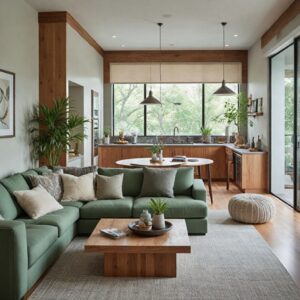
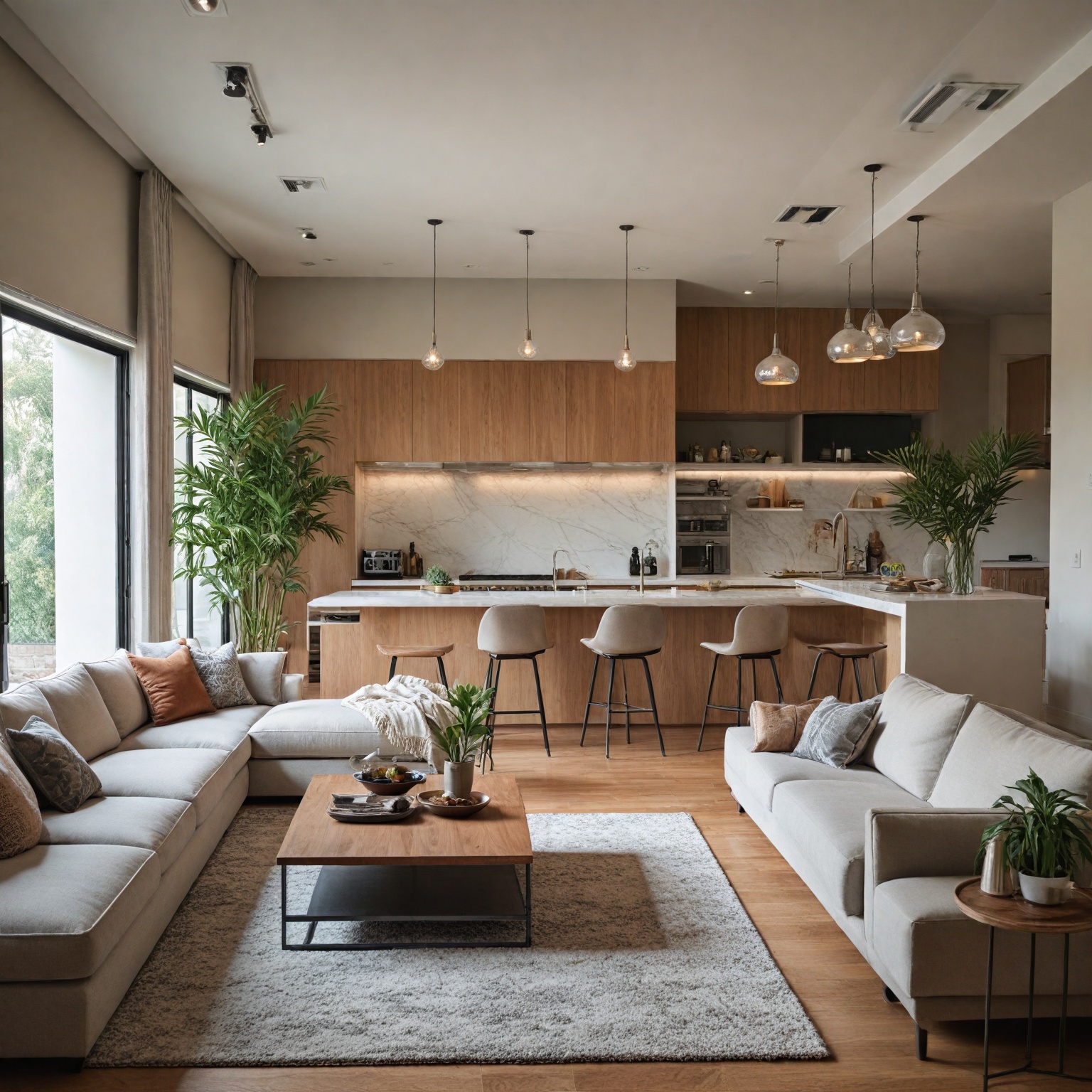
Open floor plans have grown popular for their ability to enhance natural light, air circulation, and a sense of openness. However, the absence of physical walls presents the challenge of organizing and defining distinct functional areas. Zoning is a strategic approach used to address this by utilizing furniture, rugs, lighting, and color schemes to create visually and functionally defined spaces without compromising openness. This technique allows for multifunctional living areas that accommodate activities such as dining, working, relaxing, and entertaining within the same overarching space.
Logical and Lifestyle-Based Zoning
Logical zoning groups related functions—such as the living room, kitchen, and dining areas—together to encourage ease of interaction and socialization. Additionally, personalizing zones based on the unique lifestyle and needs of the inhabitants ensures that the home supports daily routines effectively. For instance, incorporating FlexSpace℠ areas like a home office or retreat room can cater to modern needs such as remote work or family recreation.
Enhancing Functionality and Flow
Space planning also prioritizes smooth circulation patterns to maintain unobstructed pathways and encourage intuitive movement between zones. Furniture placement should facilitate this flow, preventing congestion and making each space feel accessible and inviting. Multifunctional furniture and adaptable layouts contribute to flexible environments that can transition between uses seamlessly throughout the day, such as a living room that doubles as a home office in the morning and a family entertainment area in the evening.
Balancing Aesthetics and Practicality
A successful interior layout strikes a balance between appearance and utility. Flexible design solutions not only optimize space usage but also allow the home to evolve with changing needs over time. Thoughtful selection of accent pieces and decor after moving in helps to reinforce the chosen design theme without overwhelming the space, preserving its fresh and intentional appeal. Whether choosing an open or partially open floor plan, designers must weigh the desire for connectedness against the need for privacy and defined zones, ensuring the final layout supports both comfort and style.
Interior Design Decisions
Interior design decisions are a crucial part of constructing a dream home, involving a wide array of choices that range from architectural style and floor plan to the myriad of finishes such as flooring, countertops, tiles, and paint. These decisions collectively shape the aesthetic, functionality, and comfort of the living space.
Lighting Design
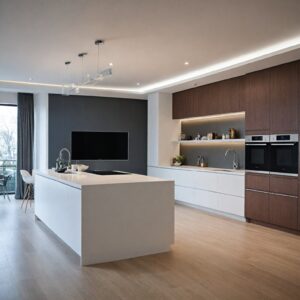
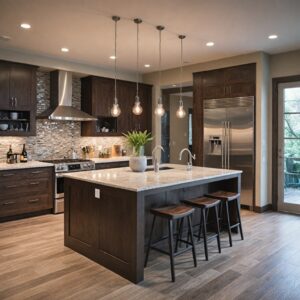
A well-thought-out lighting plan enhances the ambiance and functionality of interior spaces. It combines basic, functional, and mood lighting tailored to the specific activities of each room. Early integration of lighting design into the construction process allows for efficient placement of fixtures, optimizing energy consumption and ensuring consistent illumination throughout the home. Task lighting is particularly important in areas like kitchens, bathrooms, and home offices, where clear visibility is essential. Consultation with qualified electricians and interior designers ensures that lighting meets both technical and aesthetic requirements.
Space Planning and Layout
Effective space planning is foundational to interior design, focusing on organizing a space to maximize efficiency and visual appeal. It entails careful consideration of the physical layout, furniture arrangement, and movement flow to create a functional and comfortable environment. Open floor plans, which allow rooms to flow seamlessly into one another, are popular for making homes feel larger and more connected. Alternatively, closed floor plans provide more privacy and can be tailored to specific needs such as guest rooms, hobby spaces, or work areas.
Floor plans serve as essential visual guides, offering detailed insights into spatial organization and functionality. They help architects, builders, and homeowners understand how the space will be used and how best to optimize it for daily living.
Material and Finish Selections
Choosing the right materials and finishes is key to both the durability and aesthetics of the home. These selections affect not only the visual identity but also the maintenance requirements and long-term performance of the building. For example, tiles are durable and easy to clean, making them suitable for high-traffic areas, while carpets provide softness and sound absorption but require regular care and are less ideal in moist environments. Materials should be selected based on their suitability for the intended use, climate considerations, and design goals.
Sustainability is increasingly influencing material choices, with an emphasis on environmentally friendly options that reduce the home’s ecological footprint without compromising style or function.
Personalization and Final Touches
After the major design choices and construction are complete, adding accent pieces and decorative items helps unify the home’s theme and infuse personality. Rugs, artwork, and small decorative objects should be introduced gradually to avoid clutter and maintain a fresh, inviting atmosphere. These elements complete the interior design by enhancing style while contributing to comfort and warmth.
Flexibility and Future-Proofing
Modern interior design increasingly incorporates flexible design principles to adapt to evolving lifestyles. Features such as modular spaces, multipurpose rooms, and pet-friendly areas help ensure the home remains functional and comfortable over time. Flexible solutions allow homeowners to accommodate changing needs, whether for work, hobbies, or family growth.
Materials and Construction Methods
Selecting appropriate materials and construction methods is a fundamental step in designing and building a home. The choice of materials directly impacts the structural integrity, durability, maintenance requirements, aesthetics, sustainability, and overall cost of the project. Engineers and architects must analyze the loads the building will endure to determine the size, shape, and materials needed for various components, ensuring the structure remains safe and balanced throughout its lifespan.
Material selection involves considering factors such as strength, durability, and the ability to withstand specific environmental conditions, including moisture and temperature variations. For instance, materials like repurposed steel containers offer affordability, modern aesthetics, and strength but present challenges in insulation and are best suited for minimalist or off-grid homes. Conversely, some materials may not perform well in wet conditions, making them more appropriate for rural or low-budget settings.
Beyond functional concerns, materials also shape the building’s aesthetics and style, reflecting cultural heritage, traditional building methods, and regional identities. The combination of textures, finishes, and colors contributes significantly to the unique character of a home,
Energy Efficiency and Sustainability
Sustainability has become a crucial consideration in modern home design due to its potential to significantly reduce the environmental impact of buildings while offering long-term benefits to occupants. Integrating sustainable principles such as capacity, fitness, resilience, diversity, and balance into architectural design fosters flexibility and adaptability to changing user needs over time. This approach supports not only environmental goals but also the evolving lifestyles of homeowners.
A key aspect of sustainability in home construction is the selection of appliances, lighting, and overall layout to minimize carbon footprint and enhance comfort and productivity. Early planning of lighting systems enables efficient placement of fixtures, optimizing energy consumption by illuminating only necessary areas. This method also ensures consistency across multiple homes and can reduce costs, especially in larger projects. Lighting technology continues to evolve rapidly, with energy-efficient options including compact fluorescent, halogen, and LED bulbs that contribute to creating a healthy and safe living environment. Professional installation and wiring by electricians are highly recommended to ensure safety, compliance with codes, and seamless integration into the home design.
Furthermore, adopting innovative construction methods such as Insulated Concrete Forms (ICF) offers durability against natural disasters and significantly improves energy efficiency. Homes built with ICF require heating and cooling systems that are approximately 60% smaller than those needed for conventional construction of the same floor area, leading to substantial energy savings. Collectively, these energy-efficient and sustainable design choices not only reduce environmental impact but also promote resilient, adaptable, and cost-effective homes for the future.
Technology Integration
Integrating technology into home design has become a crucial consideration for creating flexible, sustainable, and efficient living spaces. Technological adaptability allows architects and homeowners to incorporate advanced building systems and materials that respond to evolving needs and environmental conditions. One prominent example is the use of Insulated Concrete Forms (ICF) in construction, which offers modularity for faster assembly and exceptional durability against natural disasters such as hurricanes and earthquakes. Additionally, ICF buildings benefit from improved energy efficiency, enabling the use of heating and cooling units that are up to 60% smaller than those required for traditional structures.
Modern architectural tools further enhance technology integration by providing detailed analysis of material performance and aesthetic impact. Platforms like Architecture Helper assist designers in making informed choices that balance functionality with visual appeal, ensuring that regional and climatic influences are effectively incorporated into the building’s design. Smart zoning and space-saving furniture are also part of this technological evolution, allowing homeowners to create multifunctional spaces that adapt seamlessly to changing lifestyles.
Lighting technology contributes significantly to the overall ambiance and style of a home. Contemporary trends favor the use of stainless steel fixtures combined with crisp white lighting, which together provide a clean, modern look. Bright lighting enhances the perception of space and cleanliness, aligning with minimalist design principles prevalent in current home aesthetics.
Ultimately, the integration of technology in home design not only supports sustainability and resilience but also offers greater control over energy consumption, space utilization, and overall comfort. This thoughtful incorporation of innovative materials, smart systems, and design tools helps homeowners realize a dream home that is both functional and future-ready.
Hiring Professionals and Team Building
One of the most critical steps in constructing your dream home is assembling a reliable and experienced team of professionals who will guide you through the entire process. Your home builder plays a central role, overseeing construction and helping bring your vision to life with expert guidance on what works and what doesn’t. Choosing the right builder involves considering factors such as communication skills, workmanship quality, budget management, and responsiveness, all of which contribute to a smooth building experience.
Selecting an architect is equally important. It is advisable to find a licensed architect with a solid reputation who listens to both your current needs and future plans rather than focusing solely on their portfolio aesthetics. Architects provide invaluable assistance from initial design concepts to final construction documents, ensuring your home maximizes functionality while reflecting your personal style. They also help navigate local regulations and construction norms, ensuring compliance throughout the project.
Early in the process, it is beneficial to engage an interior designer. Their involvement helps organize the extensive finish selections required in a custom home and ensures these choices align with your architectural vision. Interior designers collaborate closely with builders and architects, providing concrete options from vague ideas and guiding you through what can be an overwhelming and time-consuming stage.
Additionally, hiring a qualified structural engineer is crucial for the safety and durability of your home. Structural engineers analyze loads and select appropriate materials that ensure the building remains balanced and safe under various conditions. Their expertise helps avoid costly mistakes and addresses potential issues early, contributing to a lasting, code-compliant structure.
Finally, consulting specialized professionals such as electricians is recommended for specific systems like lighting installation. A professional electrician ensures that wiring and fixtures meet safety codes and integrate seamlessly into your home’s design.
By building a cohesive and skilled team—including a trusted builder, a responsive architect, a creative interior designer, and a knowledgeable structural engineer—you set the foundation for a successful home construction project that fulfills your vision and stands the test of time.
Project Timeline and Management
The initial phase of most new home construction projects typically begins in the first quarter of the year, marking the period when planning activities get underway. Early planning is crucial to establish a clear timeline and streamline the construction process. Locking down design decisions and material selections as early as possible significantly increases the likelihood of a smooth build, helping to avoid costly changes, budget overruns, and schedule delays.
During the design phase, the schematics of the project evolve through distinct stages. Initial rudimentary bubble diagrams outline the placement of functional zones, which are then refined into detailed floor plans showing room sizes, shapes, and circulation patterns. This progression facilitates better visualization and decision-making throughout the project. Ensuring all critical selections, such as interior finishes and structural details, are made during this phase is important because they affect foundational work and other early construction steps.
Effective project management also involves thoughtful coordination of specific design elements, such as the lighting plan. Discussing lighting requirements early in the design process ensures that each space’s functionality and ambiance are addressed properly, preventing costly modifications once construction is underway. Proper planning of electrical sockets, switches, and connection points is similarly essential to maintain the home’s functionality and avoid future issues.
In addition to design considerations, financial planning plays a vital role in managing the project timeline. Exploring financing options early, obtaining pre-approval, and setting aside contingency funds can help mitigate unforeseen challenges. Regular budget reviews and professional consultations support maintaining financial stability throughout the build. Patience and flexibility are also necessary, as delays can occur; focusing on the ultimate goal—a thoughtfully designed custom home—helps maintain momentum during the process.
The content is provided by Jordan Fields, Home Upgrade News