
Summary
The Exciting News Android Companion App is a versatile mobile application designed to streamline daily tasks and enhance user experiences across home automation, workplace collaboration, and personal device management. Originally created to alert users when their garage door was left open, the app has evolved into a comprehensive platform offering features such as notifications, ID scanning, multilingual support, activity status management, and integration with devices ranging from smartphones to wearables and automotive systems. Developed over two years by a team of experienced professionals utilizing native Android and cross-platform technologies, the app emphasizes an intuitive user interface and robust performance tailored for the diverse Android ecosystem.
Technically, the app leverages modern development frameworks including Kotlin, Android Studio, and Compose Multiplatform to deliver a modular, scalable, and maintainable codebase. It supports seamless integration with Wear OS, Android Auto, and Android Automotive OS, enabling users to safely interact with their environment while on the move. The app also prioritizes accessibility, incorporating Android’s comprehensive accessibility suite to ensure usability for individuals with disabilities.
Since its official release, the Android Companion App has been well received by both users and developers. It has garnered positive feedback for enhancing meeting experiences through features like video participation, screen sharing, and room check-ins, as well as broader workplace management tools such as desk booking and time tracking. Developers have also noted significant improvements in app stability and maintainability achieved through continuous integration and best development practices.
Despite its successes, the app’s development journey has included challenges typical of complex software projects, such as balancing feature parity with iOS counterparts while introducing Android-specific enhancements. Ongoing updates focus on refining stability, expanding functionality, and fostering collaboration between user communities across platforms, positioning the Android Companion App as a continually evolving solution within Google’s wider ecosystem.
Background
The development of the Android Companion App stems from a growing need to simplify and enhance day-to-day tasks through a single, user-friendly platform. Initially conceived as a basic tool to alert users when they leave their garage door open, the app has evolved significantly to include a broad range of functionalities aimed at improving workplace collaboration and home automation. The Companion App integrates features such as notifications, ID scanning, multilingual support, and activity status management, offering users a modern and secure experience whether at home or work.
The app’s creation reflects the dynamic and comprehensive nature of Android app development, which involves multiple stages including ideation, design, development, testing, and post-launch maintenance. This meticulous process requires careful attention to user interface, functionality, and performance optimization to meet the expectations of a diverse user base.
Developed by a dedicated team of experienced professionals, the app benefits from expertise in Android, iOS, and Flutter development frameworks. The developers prioritize intuitive user interfaces and visually appealing elements to ensure a seamless and engaging user experience. Over two years of iterative development and continuous improvement have contributed to the app’s current robust and secure state, with ongoing plans to enhance its capabilities further.
By combining advanced technological solutions with a focus on customer needs, the Companion App aims to streamline everyday activities, enabling users to manage their environments effortlessly through various devices such as smartphones, wearables, and even automotive systems.
Technical Overview
The Android companion app leverages a combination of native Android development practices and modern cross-platform frameworks to deliver a robust and seamless user experience. Built primarily using Kotlin and Android Studio, the app design incorporates comprehensive user interface elements and integrates features such as data storage, networking, and user interactions through well-established Android APIs. The development process benefits from enhanced developer tools, including linters and continuous integration workflows, which facilitate faster feedback and adherence to best practices.
To optimize performance and maintainability, the app architecture follows a modular approach, ensuring minimal exposure of internal implementation details between modules. This structure helps prevent technical debt and promotes scalability and robustness of the codebase. Additionally, the app supports integration with Wear OS devices by utilizing the Wearable Data Layer API, allowing complex and resource-intensive tasks to be handled by a companion mobile application while maintaining a smooth wearable experience.
The app also embraces cross-platform capabilities via frameworks such as Compose Multiplatform by JetBrains, enabling code sharing between Android and other platforms without introducing new programming languages. This approach provides flexibility in sharing both UI and business logic, leveraging Kotlin’s strengths to streamline development. While React Native remains an option for hybrid development, the companion app focuses on native and modern declarative UI frameworks to ensure optimal performance and user interface quality.
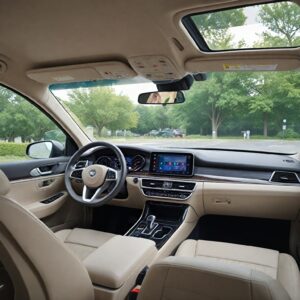
Finally, the app enhances user interaction by incorporating Android Auto and Android Automotive OS support, allowing users to safely access entities, navigate zones, and interact with devices while driving. This integration requires appropriate sign-in credentials and offers seamless control within the vehicle environment. The combined use of these technologies and best practices reflects a commitment to delivering a polished, efficient, and scalable companion app experience for Android users.
Features and Functionalities
The Exciting News Android companion app is designed with a focus on user-centric principles to ensure an intuitive and seamless experience. The interface prioritizes the main tasks users aim to accomplish, adhering to six fundamental user interface design principles: structure, simplicity, visibility, feedback, tolerance, and reuse. This approach reduces the need for extensive walkthroughs, making the app easy to navigate and understand without excessive guidance.
The app incorporates common mobile user interface elements such as navigation menus—including bottom navigation bars and hamburger menus—cards or tiles to present content clearly, swipe gestures for intuitive navigation and interaction, and floating action buttons for primary actions. These components follow established design patterns like Material Design for Android, which provides guidelines for layout, typography, and visual styling, ensuring a familiar and polished user experience.
Architecturally, the app employs a reactive and layered structure with Unidirectional Data Flow (UDF) across all layers. This design enhances data consistency and predictability, leading to improved performance and easier maintenance.
Accessibility is a major consideration in the app’s functionality. It integrates Android’s comprehensive accessibility features, including the Android Accessibility Suite, which offers tools such as the Accessibility Menu, Select to Speak, Switch Access, and TalkBack. These features support users with disabilities, helping them engage with the app in a way that suits their individual needs. Users can customize accessibility settings directly through their device or participate in user testing to provide feedback and help improve these features further.
Release Information
The Android Companion App has finally been released following a long period of community-driven development, during which the official companion apps were primarily developed by volunteers in their spare time. The app is designed to work on a variety of Android devices, with particular attention to compatibility and accessibility features already built into many devices, such as Samsung Galaxy models.
Google continues to lead the development of Android, releasing new major versions biannually with mandatory targeting requirements for new apps and updates. This release cycle ensures that apps like the Android Companion App remain compatible with the latest platform enhancements across Android, Wear OS, Android TV, and Android Automotive OS. The source code for Android is made available through the Android Open Source Project (AOSP) under the Apache License, allowing broad device support and customization.
Early access and updates for the app have been rolled out to provide users with the latest features and improvements, maintaining alignment with Android’s evolving ecosystem. The app’s release marks a significant milestone in providing an integrated, user-friendly experience for Android users worldwide.
Reception
The Android Companion App has been met with considerable enthusiasm from the user community. On platforms like Reddit, the app’s announcement generated significant engagement, with posts receiving thousands of upvotes and hundreds of comments, reflecting strong interest and active discussions among Android users.
Users have praised the app for its ability to enhance meeting experiences by enabling features such as audio and video participation on meeting-room hardware, screen sharing, and access to chat, polls, and Q&A via Companion mode on laptops. The integration of Room check-in, which allows personal video tiles and name displays on conference room tiles, has been highlighted as a valuable addition that improves usability during meetings.
Beyond meetings, the app’s broader workplace management features—such as desk and room booking through Spaces, time and attendance tracking, and advanced functionalities including ID scanning, multilingual support, and evacuation reporting—have been recognized for creating a modern, secure, and welcoming workplace environment.
From a developer perspective, the introduction of the app coincides with ongoing improvements aimed at enhancing stability, reducing crash rates, and accelerating issue detection through best practices and continuous integration. These behind-the-scenes enhancements contribute to a robust and reliable user experience, balancing Android-exclusive features while maintaining parity with the iOS version.
Updates and Future Development
Over the past two years, the Android companion app has seen significant progress, marked by hundreds of thousands of installs and a transition from part-time community-driven development to having a dedicated developer focused solely on the app’s improvement. This shift has enabled the team to implement numerous behind-the-scenes enhancements aimed at refining the developer experience, such as establishing best practices, integrating linters for automated feedback, and adopting continuous integration workflows to accelerate pull request evaluations.
A key priority has been improving app stability, reducing crash rates, and catching issues early through a new fail-fast approach, which has already proven effective in identifying and resolving problems promptly. While continuing to prioritize parity with the iOS companion app, the Android team is also exploring the addition of native and exclusive features tailored to the Android platform, fostering a collaborative environment where both app communities share insights and learn from one another.
Looking ahead, the focus remains on delivering a polished and reliable app experience that balances platform-specific enhancements with cross-platform consistency. This approach ensures that users benefit from both the robustness of native Android capabilities and the harmonious integration within the broader ecosystem of companion apps.
The content is provided by Jordan Fields, Home Upgrade News