
Summary
Intelligent window solutions, commonly known as smart windows, are an emerging segment of smart home technology that integrate advanced materials and automation systems to enhance convenience, energy efficiency, and environmental sustainability in residential and commercial buildings. These technologies enable dynamic control over window transparency, light transmission, and solar heat gain, often through materials such as electrochromic coatings, liquid crystal films, and suspended particle devices. By adapting to environmental conditions and user preferences, smart windows offer customizable natural lighting, privacy, and improved thermal comfort while reducing reliance on artificial heating, cooling, and lighting systems.
Among the various technologies, electrochromic windows have gained prominence due to their low energy consumption, durability, and ability to maintain tinted states without continuous power. Liquid crystal and suspended particle devices also provide effective light modulation but typically require constant electrical power to sustain their states, posing challenges related to energy use. Integration with home automation platforms via communication protocols such as Zigbee and Z-Wave allows centralized control and remote operation, increasing convenience and enhancing security through features like automated privacy and occupancy simulations.
The widespread adoption of intelligent window solutions is driven by their potential to significantly reduce energy consumption and greenhouse gas emissions, contributing to sustainable building practices. However, challenges remain regarding high initial costs, technological compatibility, and comprehensive life cycle environmental impacts. Life cycle assessments emphasize the importance of balancing manufacturing emissions, durability, and recyclability to ensure that the overall ecological benefits outweigh potential drawbacks.
Looking forward, ongoing research focuses on developing multifunctional materials, improving switching speed and durability, and integrating energy conversion capabilities to further optimize performance and sustainability. As energy efficiency and smart home integration become increasingly vital, intelligent window solutions are poised to play a critical role in future building design by offering homeowners enhanced control, comfort, and environmental benefits.
Overview of Intelligent Window Solutions
Intelligent window solutions represent a rapidly evolving segment of smart home technology, integrating advanced materials and automation systems to enhance convenience, energy efficiency, and environmental sustainability. These solutions typically involve smart windows equipped with technologies such as switchable smart glass, electrochromic devices, and energy conversion materials, designed to adapt dynamically to environmental conditions and user preferences.
Switchable smart glass, one of the most cost-effective and popular options available, allows users to control transparency and light transmission, thereby optimizing natural lighting and privacy with minimal installation complexity. The basic structure of these smart windows often includes a liquid crystal-polymer mixture sandwiched between layers of glass or plastic coated with a transparent conductive material. The properties of these materials, such as droplet size and curing conditions, directly influence the window’s performance characteristics.
Integration with intelligent home automation systems significantly amplifies the capabilities of smart windows. Through centralized control platforms, homeowners can operate smart windows along with other automated glass installations like venting windows, roof lights, sliding doors, and roof access boxes from anywhere globally. Communication protocols such as Zigbee and Z-Wave are crucial in enabling seamless interaction among smart devices. Both use mesh networking to enhance coverage and reliability, allowing the smart home infrastructure to self-heal and maintain stable connectivity even if some nodes fail.
Beyond convenience, intelligent window technologies contribute to substantial energy savings and reduced environmental impact. Adaptive windows act as responsive filters managing solar energy flows, thus reducing the reliance on artificial lighting and heating or cooling systems. Life cycle assessments (LCA) of smart windows emphasize analyzing the full environmental footprint—from raw material acquisition through production, use, and disposal—to ensure sustainable design choices that balance initial impacts with durability, maintenance, and recyclability.
As smart window technologies advance, ongoing research focuses on improving device efficiency, integrating energy conversion functionalities, and developing more sustainable materials. This holistic approach aims to enhance building sustainability by reducing energy consumption and environmental burdens, while providing users with intuitive control and increased comfort.
Types of Intelligent Window Technologies
Intelligent window technologies, commonly referred to as smart windows or switchable glass, utilize materials that can dynamically change their transparency and light transmission properties in response to external stimuli such as electrical voltage, temperature, or light exposure. The main categories of these technologies include electrochromic, liquid crystal, suspended particle, and chromic material-based windows, each with distinct mechanisms and advantages.
Electrochromic Windows
Electrochromic (EC) windows are one of the most widely studied and commercially adopted smart window technologies. These windows consist of an electrochromic layer, typically tungsten oxide (WO₃), paired with a counter-electrode and an ion conductor, all sandwiched between transparent conductive layers deposited on glass or polymer substrates. Applying a low voltage triggers a redox reaction in the electrochromic layer, causing a reversible change in color or opacity that modulates the transmission of visible and near-infrared light. This transition requires power only during switching, allowing the window to maintain its state without continuous energy consumption, which is a significant advantage over other technologies. Electrochromic windows can effectively reduce solar heat gain and UV radiation, thereby improving energy efficiency by decreasing cooling and heating demands in buildings. Some commercial EC products also incorporate organic polymers alongside metal oxides to enhance performance and durability. Additionally, retrofit solutions like ChromoGenics’ electrochromic foils demonstrate the adaptability of EC technology to existing windows.
Liquid Crystal Windows
Liquid crystal (LC) smart windows utilize the alignment of liquid crystal molecules to modulate light transmittance when subjected to an electric field. The technology commonly employed is Polymer Dispersed Liquid Crystals (PDLC), where LC droplets are embedded in a polymer matrix. When no voltage is applied, the molecules are randomly oriented, scattering light and rendering the window opaque. Upon applying an electric field, the molecules align, allowing light to pass through and making the window transparent. However, LC windows require continuous power to maintain the transparent state, leading to relatively high energy consumption typically ranging from 5 to 20 W/m². Moreover, long-term UV stability and higher costs are notable challenges associated with this technology.
Suspended Particle Devices
Suspended Particle Devices (SPDs) operate by suspending microscopic particles within a liquid that can be aligned or dispersed under an electric field to control light transmission. Similar to LC windows, SPDs demand continuous electrical power to maintain transparency, which contributes to higher energy use. These windows offer quick switching times and effective control over visible and infrared light but share similar drawbacks regarding energy consumption.
Other Chromic Materials
Beyond electrochromics, chromic materials encompass gasochromic, photochromic, and thermochromic substances, each responding to different stimuli. Gasochromic windows change transparency in response to gases, photochromic windows react to light intensity, and thermochromic windows respond to temperature changes. While these passive systems do not require electrical power to function, their switching mechanisms are generally slower and less controllable compared to active systems like electrochromic windows.
Emerging Materials and Technologies
Research into multifunctional smart window technologies explores advanced materials such as conducting polymers, carbon-based materials, transition metal oxides, metal-organic frameworks (MOFs), and MXenes to enhance performance and add functionalities. These novel materials aim to improve switching speeds, durability, energy efficiency, and additional features such as self-cleaning or energy harvesting capabilities.
Commercial Availability and Applications
Among the intelligent window technologies, switchable electrochromic glass panels are recognized for their effectiveness, affordability, and ease of installation, making them popular choices in residential and commercial settings. Intelligent Glass offers a range of products including toughened, laminated, and retrofit films that provide instant privacy and thermal performance benefits, integrating well with home automation systems. These technologies are especially prevalent in luxury environments, contemporary homes, offices, healthcare facilities, and leisure venues, where comfort and control are paramount.
Benefits of Intelligent Window Solutions
Intelligent window solutions offer a range of benefits that enhance both the functionality and sustainability of residential and commercial buildings. One of the primary advantages is energy efficiency. Smart windows can regulate sunlight and heat radiation, significantly reducing the energy consumption of heating, ventilation, and air conditioning systems. By controlling the amount of solar heat entering a building, these windows contribute to lowering overall energy use, thereby decreasing greenhouse gas emissions and helping to combat climate change.
In addition to energy savings, intelligent windows improve occupant comfort and convenience. These windows allow for customizable natural light, privacy, and glare reduction, which can be adjusted easily to suit personal preferences or changing environmental conditions. Some smart windows utilize passive technologies such as thermochromic and photochromic materials that automatically adapt to heat and light levels, enhancing thermal comfort and visual wellbeing without the need for manual intervention.
Smart windows also contribute to improved security and home automation integration. When combined with other smart home devices like lighting and plugs, they can create the illusion of occupancy, deterring potential intruders. Their compatibility with various home automation platforms makes installation straightforward and enables centralized control over multiple systems, increasing convenience for users.
From an architectural and environmental perspective, intelligent windows offer modern, flexible interior design solutions. Technologies such as PDLC (polymer dispersed liquid crystal) coatings applied edge-to-edge ensure seamless integration without gaps, enhancing aesthetics and functionality. Moreover, ongoing research into advanced materials—including conducting polymers, carbon-based materials, and metal-organic frameworks (MOFs)—promises to further improve the multifunctionality and efficiency of smart window technologies in the future.
Finally, intelligent windows support sustainable building practices by reducing environmental impacts throughout a building’s lifecycle. Their energy-saving capabilities, durability, and potential for recycling and reuse help minimize resource consumption, waste generation, and emissions over time, making them a pivotal component in eco-friendly construction and design.
Installation and Integration
Installing intelligent window solutions involves considerations of compatibility, design, and integration with existing home automation systems to ensure optimal performance and user convenience. Many smart home devices, including smart thermostats and window technologies, require compatible infrastructure such as a continuous power supply—often provided by a C wire in HVAC systems—to function correctly. Similarly, the installation of smart windows, especially those utilizing advanced materials like electrochromic glass, must be paired with appropriate software and control systems to manage their dynamic features such as tinting based on real-time environmental inputs like weather and sunlight.
Integration is a critical aspect that defines the utility of intelligent window solutions. These systems can be seamlessly incorporated into broader home automation networks, allowing coordinated control with lighting, heating, cooling, and security devices. For example, smart windows equipped with automated blinds can leverage features like Natural Light Optimization, which adjusts the blinds according to the sun’s position to balance glare reduction and daylight usage, although such sophisticated setups may come with higher costs. Moreover, smart home hubs provide centralized management, enabling users to control multiple devices—including smart windows, thermostats, lighting, and entertainment systems—through a single interface such as a smartphone or tablet.
The integration extends beyond convenience to safety and energy efficiency. Advanced smart thermostats can communicate with security systems to automatically shut down HVAC operations during emergencies like fires, preventing the spread of smoke and flames, while simultaneously activating cameras to capture real-time video evidence. Similarly, smart window technologies not only contribute to energy savings by regulating heat and light transmission but also can be controlled remotely or automated based on occupancy and environmental conditions, enhancing overall home comfort and sustainability.
Customizable solutions are also available, allowing intelligent window systems to be tailored to specific architectural designs and user preferences. For instance, smart glass can be integrated with louvre roof systems or privacy glass elements, controllable through intuitive apps that enhance both aesthetics and functionality. Additionally, solar-powered options for blinds and shades harness natural sunlight as an energy source, reducing the need for external power and simplifying installation.
Selecting the appropriate communication protocols is essential for achieving interoperability among various smart home devices. A standardized set of protocols ensures that devices from different manufacturers can work together effectively, expanding the capabilities of home automation systems and providing users with a cohesive experience. Designers and installers must therefore consider compatibility, energy requirements, and long-term maintenance to optimize the performance and sustainability of intelligent window solutions within the smart home ecosystem.
Control Mechanisms and User Interfaces
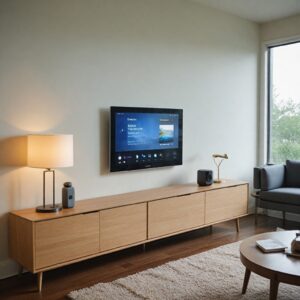
Smart window solutions offer a variety of control mechanisms and user interfaces designed to provide ultimate convenience and seamless integration with modern homes. These systems can be managed through multiple platforms, including smartphone apps, dedicated touchscreen panels, on-wall keypads, and traditional remote controls, ensuring a consistent and intuitive user experience across all devices.
Users can operate motorized blinds and smart windows remotely by downloading corresponding applications, enabling control from virtually anywhere. Integration with popular voice assistants further simplifies operation, allowing users to adjust settings with simple voice commands. This level of control extends to automations that respond to environmental conditions such as time of day, weather, or room occupancy, providing hands-free adjustments that enhance comfort and energy efficiency.
For accessibility and ease of use, remote-controlled blinds are designed to be operated comfortably by individuals of all ages and abilities, including those with mobility challenges or arthritis, allowing adjustments without needing to physically reach the window area. Additionally, some smart window controllers support wired connections to motorized window locks, enabling automatic locking and unlocking in coordination with window movement for added security and convenience.
Professional integrators play a key role in tailoring these systems to individual preferences, creating customized scenes, schedules, and automation routines that simplify daily routines. By consolidating control of multiple devices and functions into one cohesive platform, these interfaces reduce the need for multiple applications and enhance the overall smart home experience.
Market Trends and Adoption
The market for intelligent window solutions is rapidly evolving, offering a wide range of products that cater to diverse needs and budgets. Smart windows vary from simple privacy glass to advanced interactive displays, which significantly affects their pricing and adoption. Among the most affordable options available are Switchable Smart Glass Vision Panels from companies like Intelligent Glass, making entry into this technology more accessible to consumers.
While many manufacturers primarily focus on large-scale commercial projects, automotive, and aerospace industries, there is a growing trend towards residential applications. Companies such as Marvin Windows have entered exclusive agreements with technology providers like Halio to bring smart glass innovations to homeowners, signaling an increased emphasis on residential adoption. This shift is supported by the dual benefits of smart glass technologies—energy efficiency and enhanced privacy—making them attractive for modern home designs.
Smart windows also contribute to increased property values by adding a contemporary aesthetic combined with functional advantages such as energy savings and security enhancements. As a result, homeowners view these installations as a way to future-proof their properties and keep pace with technological trends in home automation. The diversity of home automation communication protocols further facilitates integration of smart windows into various smart home ecosystems, allowing buyers to select solutions that fit their specific requirements and budgets.
Environmental considerations are increasingly important in the adoption of smart window technologies. The production and life cycle impacts of window manufacturing must be carefully evaluated, as the manufacturing phase can contribute between 10% and 60% of the overall environmental footprint of a building’s components. Life Cycle Assessment (LCA) studies emphasize the need to consider durability, maintenance, and end-of-life recycling potential to avoid unforeseen negative environmental consequences. Among smart window types, electrochromic (EC) windows have been identified as particularly promising for balancing performance and environmental impact.
Challenges and Considerations
The adoption of intelligent window solutions involves several challenges and considerations that span environmental, economic, and technological aspects. From an environmental perspective, the life cycle assessment (LCA) of smart windows is crucial to understanding their overall ecological impact. While these technologies can achieve substantial energy savings by acting as responsive filters to solar energy flows, their production, maintenance, durability, and end-of-life recycling must be carefully evaluated to avoid unintended environmental burdens. For instance, solutions with low initial impact during manufacturing may demonstrate unfavorable environmental performance over time due to reduced longevity or high maintenance needs.
Economically, the
Future Developments
The future of intelligent window solutions is poised to significantly enhance home convenience, energy efficiency, and environmental sustainability. Emerging technologies aim to create smart windows that integrate seamlessly with modern lifestyles while offering advanced functionality and style. Central to these developments is the incorporation of adaptive technologies capable of dynamically filtering multiple energy flows on building surfaces, which can lead to substantial energy savings compared to static high-performance windows.
Material innovation plays a critical role in advancing smart window technology. Promising materials such as conducting polymers, carbon-based substances, transition metal oxides, metal-organic frameworks (MOFs), and MXene are under active research for their multifunctional properties. These materials may enable the creation of high-performing, multipurpose intelligent windows that go beyond current capabilities. Further investigation into these materials is expected to yield breakthroughs that enhance the durability, efficiency, and multifunctionality of smart windows.
Integration with broader smart home ecosystems is another significant area of growth. Future smart windows will likely be designed to work cohesively with comprehensive home automation platforms, enabling centralized control via smartphones, touchscreens, or on-wall keypads. Such integration can facilitate control over venting windows, roof lights, and automated sliding doors, providing users with complete, remote management of their home environment. Early planning and design are essential to ensure smooth integration of smart windows with home automation systems, requiring consideration of communication protocols and interoperability standards to maximize effectiveness.
Life cycle assessment and cost-benefit analyses are increasingly incorporated into the development process to ensure that new smart window technologies not only deliver energy and environmental benefits but also maintain sustainability throughout their lifespan. Attention to factors such as embodied carbon, maintenance requirements, and recyclability is vital to avoid environmentally unfavorable outcomes over time. Additionally, combining electrochromic technologies with energy conversion devices represents a promising avenue to boost the overall efficiency and functionality of intelligent windows.
As energy efficiency remains a rising priority amid fluctuating energy costs and environmental concerns, the role of smart windows in reducing building energy consumption and carbon footprints will become even more critical. Continuous advancements in material science, device integration, and system design are expected to drive the evolution of intelligent window solutions, ultimately offering homeowners enhanced control, convenience, and sustainability.
The content is provided by Avery Redwood, Home Upgrade News