Summary
A covered clothes rack is a versatile and essential storage solution designed to protect and organize garments, particularly during seasonal transitions such as the fall. Featuring a protective cover that shields clothing from dust, moisture, and environmental damage, these racks help preserve the quality and longevity of garments while optimizing space in various living environments. Combining functionality with aesthetic appeal, covered clothes racks often incorporate additional features like shelving and adjustable rods, making them adaptable to diverse wardrobe needs and interior styles.
The design of covered clothes racks reflects a blend of practicality and style, drawing inspiration from minimalist, industrial, and eco-friendly influences. Materials such as metal, bamboo, and recycled plastics are commonly used to balance durability, lightweight portability, and sustainability. Notable contemporary examples, like the GRÅFJÄLLET series, emphasize industrial aesthetics alongside functional enhancements such as stability on uneven floors and integration with complementary furniture.
Beyond their practical advantages, covered clothes racks play a key role in fall wardrobe management by facilitating the rotation and organization of seasonal clothing. They allow users to store out-of-season items securely while displaying current fall attire and accessories, often enhancing room decor through thoughtful color coordination and layered styling. Multifunctional and space-saving designs also accommodate limited living spaces, making them valuable for both personal and retail use.
While generally well-received by consumers for their utility and style, covered clothes racks also intersect with broader discussions on sustainability in fashion and home organization. The use of eco-friendly materials and upcycled fabrics in their construction supports circular economy principles, helping to reduce environmental impact. However, selecting the right rack requires consideration of factors such as durability, mobility, and safety—especially in households with children—to maximize their benefits and ensure lasting wardrobe care.
Historical Background
The history of clothing and its associated storage solutions reflects both functional needs and cultural developments across time. Early evidence suggests that clothing originated primarily as a biological adaptation to protect hominins from harsh environmental conditions. Archaeological findings indicate that hominins in northern China used hide scrapers around 800,000 years ago, during a warm phase, and similar tool use appeared near London 400,000 years ago, suggesting the early production of garments to maintain warmth against extreme temperatures and windchills. Over time, clothing evolved beyond mere survival to embody cultural meanings, such as social status, as seen in ancient societies where fabric fibers and leathers reveal both technological mastery and societal hierarchies.
Women likely played a crucial role in the early development of textiles, as indicated by research linking textile weaving predominantly to female activity. For example, the earliest evidence of weaving in Japan is associated with the Jōmon period, challenging assumptions that early Andean mountain settlers were exclusively male. This intertwining of gender roles and textile production highlights the cultural significance embedded in the evolution of clothing.
The methods for storing and displaying clothing have also undergone significant transformation. Historical wardrobes evolved from simple cupboards to complex furniture pieces incorporating hanging spaces, drawers, and mirrors. By the nineteenth century, wardrobes often featured smaller compartments alongside hanging pegs and sliding shelves, culminating in the modern form that balances storage efficiency and aesthetic appeal. In the UK, custom-made wardrobes designed to fit specific room dimensions represent a more affluent iteration of this evolution.
Complementing wardrobes, clothes racks have become practical storage solutions, particularly for small spaces or as display bases for frequently worn garments. Modern racks vary widely in design, materials, and load capacity, reflecting contemporary needs for both functionality and style. Even everyday objects like the clothes hanger carry rich historical significance, evolving alongside changing sartorial values and technological advances.
The dissemination of clothing styles and storage practices has been further influenced by cultural exchange, especially during European colonialism. Western fashion and organizational methods have spread globally over centuries, propelled most recently by international media corporations. Today, as wardrobes transition with seasonal changes, essential storage innovations like covered clothes racks have emerged to maintain garment quality and organization in the fast-paced fashion world.
Covered Clothes Rack Design
The covered clothes rack is ingeniously designed to blend functionality with aesthetic appeal, making it an essential storage solution for seasonal wardrobe management, especially during the autumn transition. Its primary feature is a protective cover that safeguards garments from dust, moisture, and other environmental factors, thereby contributing to the longevity and durability of clothing. This design enables users to rotate seasonal clothing seamlessly, keeping autumn attire organized and accessible without exposing it to potential damage.
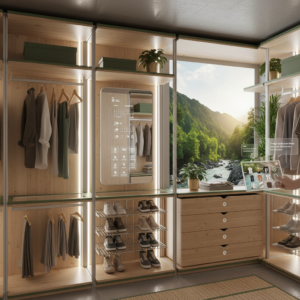
Beyond protection, the covered rack optimizes space efficiently, serving both as a storage and display unit. It is versatile enough to fit small closet spaces or act as a standalone station for showcasing favorite wardrobe pieces, enhancing the overall room decor. Some models also integrate additional features such as shelving, which can replace traditional shoe racks or serve as extra storage, further maximizing utility.
The aesthetic element of the covered clothes rack design draws from various home decor styles, from minimalist Scandinavian to boho or industrial influences, allowing it to complement different interior themes effortlessly. Clean, bold lines and a mix of materials, such as metal and bamboo, are common in contemporary designs, providing both strength and a pleasing visual impact. Additionally, many designs prioritize ease of assembly, making the rack accessible for a broad range of users without requiring professional help.
Notable Examples and Influences
Clothes racks have evolved significantly over time, reflecting both cultural shifts and functional needs. One notable historical reference includes Thomas Jefferson’s recreated clothes rack, which was based on detailed historic descriptions, highlighting early American approaches to garment storage.
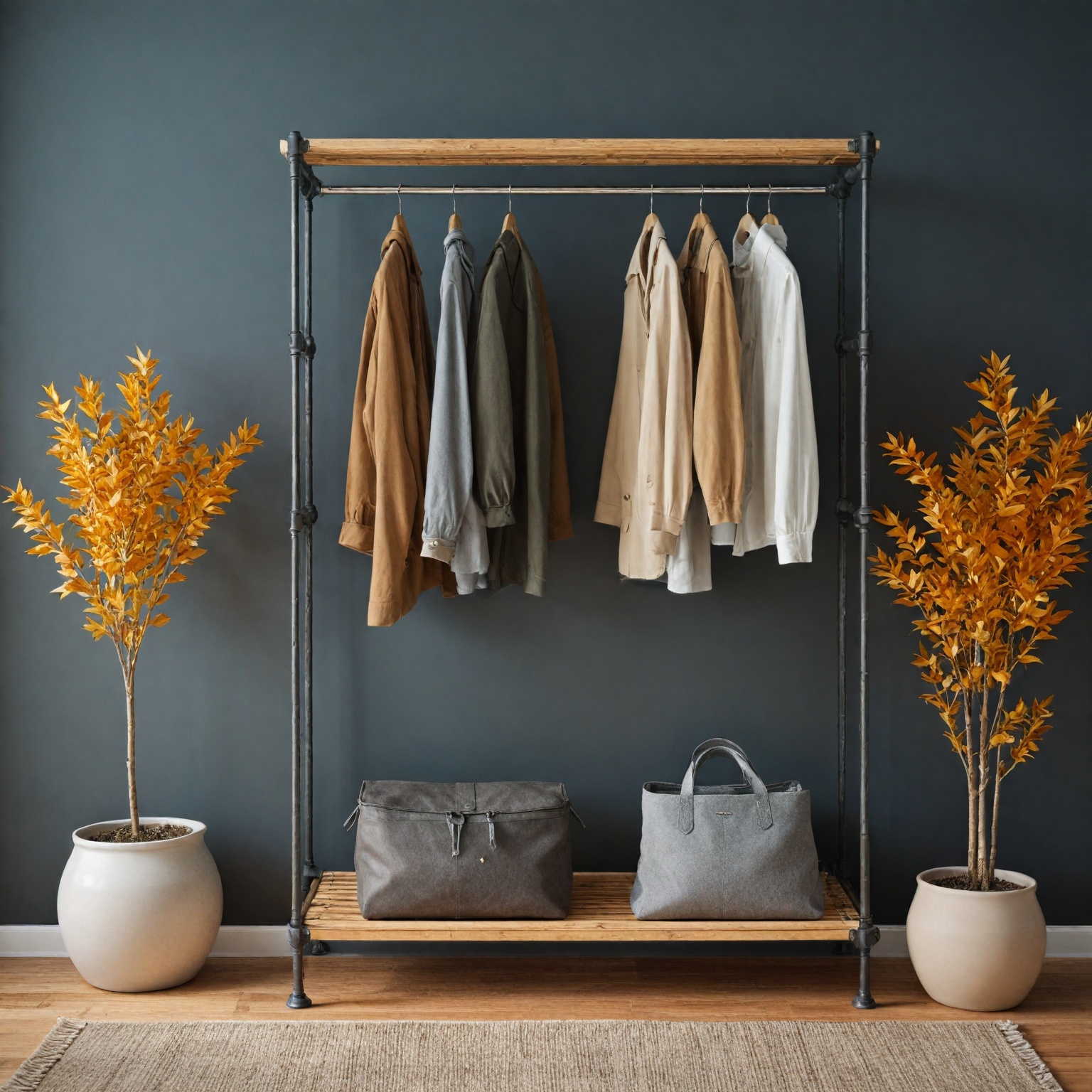
In contemporary design, the GRÅFJÄLLET series exemplifies the fusion of industrial aesthetics with practicality. Inspired by traditional factory and industrial environments, this series features clean, bold lines and visible metal joints, offering durability and a vintage appeal that seamlessly integrates with various home styles. The design emphasizes visibility and accessibility for clothes and shoes, serving not only as storage but also as a statement piece within living spaces.
Retailers such as IKEA have expanded the accessibility of clothes racks by offering a diverse range of designs tailored to different preferences and daily routines. Their collections focus on helping users prepare efficiently for their day, blending functionality with style.
Historically, the use of clothes racks and related textile tools has roots extending back to early settlers, who utilized woven materials—likely crafted by women given the cultural association of textile weaving—to create baskets and wall coverings. This suggests that the organization and display of clothing and related items have long been embedded in social practices.
Essential Covered Clothes Rack Overview
A covered clothes rack serves as an indispensable storage solution, particularly during the autumn season when wardrobe management becomes crucial. It offers versatile storage options that protect clothing from dust and moisture, thereby helping to preserve the quality and longevity of garments. The design of covered clothes racks optimizes space utilization, making them suitable for various room sizes and layouts.
Beyond practicality, these racks contribute to home aesthetics by allowing users to display statement pieces alongside decor, blending functionality with style. Additionally, they are typically easy to assemble, which enhances their appeal as a convenient and durable furniture choice. Investing in a covered clothes rack not only simplifies wardrobe organization but also safeguards clothing collections from environmental damage, making it a valuable addition to any home during the fall.
Materials and Construction
The construction of covered clothes racks often involves a combination of materials aimed at balancing durability, weight, and ease of assembly. Common materials include bamboo, metal, and plastic, each bringing distinct advantages and considerations. Bamboo, for instance, offers a lightweight and eco-friendly option, making it suitable for portable or temporary setups such as pop-up shops. However, bamboo is relatively fragile and requires careful handling during assembly to avoid splitting, often benefiting from an extra pair of hands to maintain the correct angles while securing screws. Despite this, bamboo racks can feature simple yet functional designs and sometimes include wheels for enhanced mobility, though many racks do not come equipped with them.
Metal frames, including aluminum, are also popular due to their strength and stability. While aluminum is lighter than steel, concerns have been raised about its weight potentially causing the rack to tip over, especially when accessing clothing by opening the sheet cover. Choosing the right material weight is important to ensure both sturdiness and ease of use without compromising safety or mobility. Plastic components may be used for brackets or connectors, adding versatility to the assembly process and offering lightweight alternatives.
Historically, the structural design of clothes racks has evolved to include additional supports for strength and durability. For example, a 1932 design incorporated timber and wire support struts, while cardboard tubes were mounted on wire sections to prevent excess wrinkling of garments. Such innovations highlight the ongoing efforts to improve both the functionality and garment care aspects of clothes racks.
From a sustainability perspective, integrating craftsmanship and mechanical finishing techniques into the production of fabric and garment storage solutions helps reduce reliance on resource-intensive processes. Up-cycling and reuse of materials not only contribute to circular economy principles but also minimize waste generated during manufacturing. This ethos can extend to the materials chosen for clothes racks, encouraging the use of recyclable or renewable resources wherever possible.
Design Features
The covered clothes rack from the GRÅFJÄLLET series showcases a blend of industrial influences with clean, bold lines that contribute to a timeless and versatile aesthetic. Its design is inspired by traditional factory environments, featuring visible metal joints and fittings that emphasize durability and a slightly raw, vintage look suitable for various interior styles. The rack is constructed from durable metal, making it easy to coordinate with other furniture pieces and home decor.
Functionality is enhanced through adjustable feet with metal caps, ensuring stability even on uneven floors. The rack is designed to hold approximately four pairs of shoes, offering a practical solution for organizing both clothing and footwear within easy reach. Additionally, the covered design allows users to store and display clothes while protecting them from dust, supporting both storage and aesthetic needs.
The GRÅFJÄLLET clothes rack can be combined with other furniture in the series to create a cohesive and uniform look throughout the space. This versatility extends to its ability to fit into various rooms, serving multiple purposes such as dressing, makeup application, or workspace organization. Moreover, its open design provides an opportunity to showcase statement pieces and stylish outfits, making it not only functional but also an element of interior decoration.
Types and Variations
Clothes racks come in a variety of types and designs, each catering to different needs and aesthetic preferences. One notable style is the industrial-inspired GRÅFJÄLLET series, which features durable metal construction with clean, bold lines and visible metal joints that evoke traditional factory environments. This style is versatile, fitting both functional and vintage-themed interiors by offering a slightly raw and timeless look.
Functionally, clothes racks may differ in mobility and stability. Some racks, like the Brabantia Linn, are designed without wheels, making them stable when placed in a fixed location but somewhat bulky to move through doorways. While they may slide relatively easily on carpeted floors, their size can pose challenges for portability. For those needing portability, collapsible or compact racks are preferred, especially for vendors or individuals attending events who require racks that fit easily in cars.
Structural variations have evolved over time, with earlier designs incorporating timber and wire support struts to enhance strength and durability. An innovation introduced in 1932 involved mounting cardboard tubes on wire sections to prevent excess wrinkling of clothes hung on the rack. Additionally, racks with shelves provide more flexible storage options and tend to be sturdier overall, a feature that is especially useful in households with young children, where securing the rack to a wall is recommended to prevent tipping.
Sliding door wardrobes, although not clothes racks per se, represent an important evolution in clothing storage solutions. They offer greater access in tight spaces, wider openings, and enhanced safety features such as soft-close mechanisms, which protect both walls and users. Custom-made wardrobes, popular in more affluent settings like the UK, are designed to optimize room shape and size for better organization.
Seasonal Wardrobe Optimization
Optimizing your wardrobe for the fall season involves both thoughtful organization and strategic selection of clothing to complement the autumnal aesthetic. A covered clothes rack serves as a pivotal tool in this process, allowing you to seamlessly transition your wardrobe while preserving the quality of your garments. By storing summer outfits under a protective cover, you shield them from dust and moisture, creating valuable space for your cozy fall attire and ensuring that seldom-worn special occasion pieces remain in pristine condition until needed again.
Color coordination plays a crucial role in seasonal wardrobe optimization. For fall, earthy hues dominate, reflecting the season’s natural palette and providing a warm, cohesive look. Integrating monochrome schemes—selecting a solid color that aligns with your bedroom décor or personal style—can further enhance the visual appeal of your clothing rack and simplify outfit coordination.
In addition to clothing storage, the upper shelves or top surfaces of your clothes rack can be creatively utilized as mini display areas. These spaces are ideal for seasonal décor accents such as velvet pumpkins, boots, jackets, and other fall-themed accessories, which help infuse your living space with autumnal charm and complement your wardrobe.
When assembling your fall outfits, attention to fit and layering is essential. Clothes should flatter your body shape without adding bulk, with layers that coordinate in neutral tones to allow for versatile mixing and matching. While patterns and prints should be used sparingly, a subtle print can add character and elevate the overall look of your ensemble. This mindful approach ensures that your fall wardrobe is not only stylish but also functional and reflective of the season’s mood.
Innovative Multifunctional and Space-Saving Features
Modern covered clothes racks often incorporate multifunctional designs that maximize storage efficiency while minimizing the use of space. Convertible organizers, for instance, serve more than one purpose by combining hanging rods, shelving, and drawers into a single unit. This versatility makes them particularly suitable for limited living areas, as they replace the need for multiple pieces of furniture and reduce manufacturing resources.
Many space-saving racks utilize vertical storage concepts, such as tiered or stacked configurations, which help to maximize storage capacity without expanding the closet’s footprint. These designs allow users to store a larger number of garments and accessories by effectively using upward space, a crucial advantage in smaller rooms or apartments.
Additional functional elements often include adjustable rods, which provide flexibility for different garment types and varying amounts of clothing. Some racks are even equipped with wheels, enhancing mobility and allowing for easy relocation within the home or to new living spaces. This makes them not only storage solutions but also practical display units for favorite or infrequently worn outfits. In certain cases, racks double as entryway coat stations or shoe shelves, further consolidating storage needs into one compact piece.
The inclusion of covers is another innovative feature, offering protection from dust, moisture, and environmental damage. Covered racks are ideal for storing seasonal or special occasion clothing, keeping garments clean and ready to wear while reducing the frequency of washing. This preservation capability enhances garment longevity and maintains wardrobe organization throughout seasonal transitions.
Some designs emphasize minimalism and aesthetic appeal alongside functionality. For example, racks combining iron pipes with wooden shelves offer a sleek, design-forward look while providing practical storage for garments and shoes. Such products balance style with utility, catering to both personal and business-related display needs. Overall, these multifunctional and space-saving features make covered clothes racks essential tools for an efficient and organized fall wardrobe revamp.
Sustainable and Eco-Friendly Production
Sustainable and eco-friendly production in the clothing industry emphasizes reducing environmental impact while maintaining high-quality standards. The use of sustainable materials combined with careful manufacturing processes often results in durable garments without compromising quality. Brands committed to sustainability prioritize transparency and traceability, providing consumers with detailed information about material origins and production methods to foster trust and accountability.
Manufacturing eco-friendly clothes involves several key practices. Sustainable dyeing and finishing techniques, including craftsmanship and mechanical finishing, reduce the need for harmful chemicals and water consumption, thereby lowering environmental and economic costs. Additionally, adopting circular economy principles such as up-cycling and reuse of discarded fabrics helps minimize waste and decreases reliance on new resource extraction.
Energy
Advantages for Fall Wardrobe Organization
A covered clothes rack offers several key advantages for organizing and preserving a fall wardrobe. One of its primary benefits is the ability to store seasonal items such as summer outfits safely by shielding them from dust and moisture, thereby creating much-needed space for autumn clothing. The cover acts as a protective barrier, helping to keep seldom-worn special occasion ensembles in pristine condition until they are needed again, reducing the frequency of washing and maintaining garment quality.
These racks often incorporate convertible or multi-functional designs that can serve as hanging spaces, shelving, or include drawers, making them highly versatile for limited spaces. Such adaptability maximizes storage efficiency while minimizing the need for additional furniture, contributing to eco-friendly living by reducing resource consumption during manufacturing. Furthermore, tiered or stacked clothes racks enhance vertical storage capacity, allowing for better utilization of space especially in smaller closets or rooms.
In addition to preserving clothing, covered clothes racks can enhance the overall organization of a fall wardrobe by integrating customizable closet systems and specialty organizers such as storage bins, shelf dividers, and hanging compartmentalized bags. Over-the-door solutions complement this setup by maximizing vertical space without requiring complex installation, ideal for smaller footwear or accessories.
Finally, the ease of access offered by features like extendable rods or adjustable shelves allows users to tailor the rack according to their wardrobe needs, whether for everyday pieces or special garments. Some models even include wheels for portability, making them practical for dynamic living spaces or pop-up displays. Altogether, these advantages make covered clothes racks an indispensable tool for efficient and stylish fall wardrobe organization.
Selection Criteria for Fall Wardrobe Covered Clothes Racks
When choosing a covered clothes rack for a fall wardrobe, several important criteria should be considered to ensure functionality, durability, and aesthetic appeal. Primarily, a covered rack serves as a practical solution for seasonal clothing rotation, protecting garments from dust, moisture, and damage during storage. This makes it particularly valuable for preserving seldom-worn special occasion outfits and summer attire while creating space for autumn pieces.
Durability is a key factor, especially since racks may need to support heavier items like winter coats. Options with strong frames, such as metal racks with high weight capacities, provide reliable storage without compromising stability. Additionally, ease of assembly and organization features, such as multiple rod configurations or integrated shelving, enhance usability and optimize space, allowing the rack to double as a shoe shelf or entryway coat station.
Mobility is another consideration; racks equipped with wheels allow for effortless repositioning within living spaces, making seasonal wardrobe management more convenient. The design aspect should not be overlooked—functional simplicity combined with appealing materials like bamboo and steel can complement home decor while maintaining practicality. Furthermore, maintaining order on the rack is essential to prevent clutter, especially in busy households where the rack might be located in entryways or high-traffic areas.
Lastly, selecting a covered clothes rack aligns with sustainable wardrobe practices by extending the lifespan of garments and reducing the frequency of washing, which conserves water and energy. By evaluating these factors—protection, durability, organization, mobility, design, and sustainability—consumers can find the ideal covered clothes rack to revamp their fall wardrobe effectively.
Practical Usage Tips for Fall Wardrobe Management
Managing a fall wardrobe efficiently involves strategic use of storage solutions, and a covered clothes rack emerges as an essential tool during this season. One practical approach is to use the rack for seasonal clothing rotation, allowing for a seamless transition from summer to autumn attire while protecting garments from dust and moisture. The cover helps preserve the quality and longevity of delicate fall fabrics by shielding them from environmental damage.
To optimize daily outfit preparation, users can arrange their clothes, shoes, and accessories on the rack the night before, serving as a visual reminder of the upcoming day’s agenda and streamlining the morning routine. Incorporating additional storage elements such as shelves, hooks, or drawers attached to or alongside the rack can further boost organizational capacity and prevent clothes from wrinkling or falling off hangers.
When selecting or setting up a covered clothes rack, consider factors like sturdiness, ease of assembly, and mobility. Racks with wheels provide convenience for repositioning but should be chosen carefully to ensure durability and smooth gliding. For households with children, securing the rack to the wall is advised to prevent tipping hazards.
Choosing suitable hangers complements the functionality of the rack; wooden hangers are recommended for maintaining garment shape and adding aesthetic appeal, while velvet hangers provide non-slip support, especially for delicate or slippery fabrics. Neutral-colored clothing that mixes well together is also advised to simplify outfit coordination and layering, a common practice in fall dressing.
Finally, to personalize and enhance the appearance of the rack, users may consider inexpensive DIY solutions such as covering wire shelves with contact paper and cardboard to mimic the look of traditional shelving, combining practicality with style. This makes the covered clothes rack not only a versatile storage solution but also an attractive addition to fall wardrobe management.
Maintenance and Care
Proper maintenance and care of a covered clothes rack are essential to prolong its lifespan and ensure it continues to serve its organizational purpose effectively. Regularly inspecting the garment rack for any structural issues, such as loose joints or rust, helps prevent deterioration over time. The cover, often made from repurposed fabric, should be cleaned periodically to remove dust and dirt, which can accumulate and degrade the material if left unattended.
Upcycling practices encourage the reuse of discarded fabrics for the rack cover, aligning with sustainable fashion principles. By maintaining the fabric cover through gentle washing and avoiding harsh chemicals, users can reduce environmental impact and support the circular economy model. This approach not only conserves resources but also minimizes the need for frequent replacements, thereby reducing waste generated during garment storage solutions.
Additionally, positioning the rack in a dry, well-ventilated area helps prevent moisture buildup, which can damage both the fabric cover and the rack’s frame. Combining craftsmanship with mechanical finishing techniques during production enhances the durability and texture of the fabric cover, making it more resistant to wear and easier to maintain over time. Overall, consistent care and mindful use of materials contribute to a sustainable and efficient storage system for fall wardrobes.
Consumer Reviews and Feedback
Consumers have generally expressed positive feedback regarding the essential covered clothes rack featured in various online reviews. It has been recognized for enhancing organizational efficiency and providing a stylish solution for seasonal wardrobe updates. Additionally, users have highlighted its practicality in protecting clothing from dust and damage, which aligns with the product’s intended use for fall wardrobe revamping.
In terms of customer service, the retailer behind the product was listed in Newsweek’s “America’s Best Customer Service 2023” within the “Online Retailers: Home Goods for Online Home Stores” category, indicating a high level of consumer satisfaction and reliable post-purchase support. This recognition adds to the positive reputation of the product and the brand.
Online forums and discussion boards also reflect a modest but engaged community of users, with posts discussing the rack’s utility and sharing styling tips. Overall, the feedback underscores the essential covered clothes rack as a valued addition to consumers’ wardrobe management tools.
Comparison with Other Clothing Racks
When considering a covered clothes rack for your fall wardrobe, it is important to evaluate both quality and functionality in comparison to other available options. Many clothing racks serve multiple purposes, from providing extra storage in small closets to acting as a stylish display for favorite pieces. Some racks even incorporate shelving to replace traditional shoe racks, adding to their versatility.
In terms of material and durability, options range widely. For example, metal racks on wheels can support heavy loads—some tested models can hold up to 200 pounds of shelving weight—making them ideal for bulky winter coats. Meanwhile, designs combining bamboo and steel offer a lighter aesthetic suitable for delicate or less weighty clothing items. The choice between sturdiness and design appeal often guides consumer decisions.
Price is another key factor when comparing covered clothes racks. They are generally available across a broad price spectrum, from under $45 to over $200. Many retailers provide filters to help shoppers navigate options based on price, sales, and features such as free shipping or discounts ranging from 10% to 70% off. This variety ensures that shoppers can find a covered clothes rack that fits both their budget and functional needs.
Ultimately, a high-quality covered clothes rack balances durability, design, and price, standing out among other clothing racks by providing protection from dust and damage while maintaining easy accessibility to your wardrobe pieces.
Purchasing Information
When selecting a covered clothes rack, it is important to consider what items you plan to store or display to ensure the rack’s features meet your needs. Racks equipped with shelves provide versatile storage options and tend to be sturdier overall, making them a practical choice for various lifestyles and design preferences. For households with young children, racks that can be securely fastened to the wall are recommended to prevent tipping hazards.
In addition to stability, versatility is key. Some racks come with multiple rod configurations or added shelves, which can be beneficial if you require extra storage space or want to display outfits that are infrequently worn. Mobility is another feature to consider, as racks with wheels allow for easy relocation, which is especially useful for pop-up shops or dynamic living spaces.
Price is also an important factor, with options available across a broad spectrum, from under $45 to over $200. Many online retailers offer free shipping, discounts, and sales, making it easier to find quality racks within various budgets. Customers seeking durable and well-reviewed products can look for racks that have undergone weight capacity testing or come recommended by trusted sources to ensure long-term reliability.
Environmental Impact
Sustainable dyeing and finishing techniques are critical in reducing the environmental footprint of traditional clothing production methods. These techniques help lower energy consumption, which is essential not only for ecological sustainability but also for conserving resources, reducing manufacturing costs, and fostering innovation within the industry. By minimizing energy use, greenhouse gas emissions are significantly decreased, contributing to a cleaner environment and a more responsible production process.
Moreover, sustainable manufacturing practices promote a circular economy by saving resources and aligning with growing consumer demand for eco-friendly products. Engaging with sustainable clothing manufacturers aids in waste reduction and supports fair labor practices, which can enhance operational efficiency by limiting labor exploitation and thus reducing production costs. This approach ultimately leads to more affordable and environmentally friendly apparel options.
Addressing the environmental impact of textile production requires a collective effort from all stakeholders—including designers, apparel suppliers, and brands—to develop comprehensive frameworks and systems that prioritize sustainability. Eco-conscious fashion brands must consider multiple factors to effectively implement sustainable manufacturing processes and minimize waste throughout the clothing production lifecycle.
The content is provided by Harper Eastwood, Home Upgrade News