Summary
The transformation of a beach house in Amagansett into a stunning natural wood home showcases a harmonious blend of minimalist design, sustainability, and regional authenticity. Driven by the homeowners’ vision for a light-filled sanctuary that integrates seamlessly with its coastal surroundings, the remodel emphasizes natural materials, neutral color palettes, and open, airy spaces that celebrate the local landscape’s seasonal changes. The project is notable for its commitment to eco-friendly practices, including the extensive use of reclaimed and locally sourced wood, natural stone, and sustainable finishes that respect both the environment and the architectural heritage of the site.
Architects collaborated closely with the owners to realize a Mediterranean-inspired interior that balances functionality with aesthetic simplicity. The design avoids heavy thematic decorations in favor of subtle coastal touches, relying on natural textures, earth tones, and bespoke furniture crafted from salvaged materials to create a cohesive, warm atmosphere. Innovative AI-assisted design tools played a significant role in streamlining the planning process and expanding creative possibilities, reflecting a forward-thinking approach to renovation.
The renovation also prioritized durability and resilience against the challenges of coastal living, incorporating impact-resistant windows, elevated foundations, and the use of highly durable woods such as ipe to withstand humidity and salt exposure. Sustainable wood preservation techniques employing natural, non-toxic treatments further underscore the project’s environmentally conscious ethos. Together, these elements contribute to a home that is both beautiful and built to last, while minimizing its ecological footprint.
Widely praised by design professionals and homeowners alike, the remodel has been recognized for its thoughtful material choices and the careful restoration of the home’s original textures, such as exposed stonework. The project’s success highlights the importance of human-centered collaboration in design and serves as a compelling example of how sustainable practices can elevate coastal residential architecture.
Background
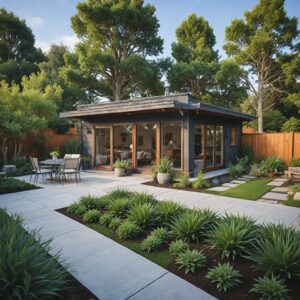
The transformation of the beach house was driven by the homeowners’ vision to create a light-filled sanctuary that harmonizes with the surrounding natural environment. Situated in Amagansett, the renovation embraced a minimalist design philosophy that prominently featured natural materials and neutral color palettes to establish a serene, airy atmosphere. The designers incorporated wide, open spaces that allowed the homeowners to experience seasonal changes and the property’s connection to the local landscape, which includes abundant maple, oak, beech, and sycamore trees.
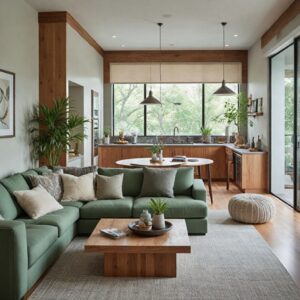
Central to the project was a commitment to sustainability and regional authenticity. The architects collaborated closely with the owners to ensure the design reflected both the physical setting and human relationships underlying the renovation process. They employed reclaimed and locally sourced materials, such as wooden shelves crafted from reused beams, to foster an eco-friendly and Mediterranean-inspired interior. The color scheme was carefully selected to blend with the exposed stone and surrounding rocks, using whites, beiges, and reddish browns complemented by natural wood, earth tones, and lime finishes.
The aesthetic balance was further enhanced through the use of natural building principles, emphasizing minimally processed, renewable materials and salvaged elements when possible. This approach was reflected in features like built-in furniture, traditional trispol floors made of clay and lime, and bespoke glass tables resting on recovered stones from the demolition phase. Overall, the project aimed to integrate a coastal style characterized by light, neutral walls and deep natural hues, while incorporating dark wood elements strategically to enrich the design without overwhelming its relaxed, seaside feel.
Planning and Design
The planning and design of the beach house remodel emphasized a harmonious blend of sustainability, natural textures, and a connection to the surrounding landscape. The architects pursued a uniform design characterized by notable fluidity, which extended beyond the physical structure to encompass the collaborative relationship established with the homeowner. This close partnership was central to realizing a renovation that balanced Mediterranean influences with a sustainable approach, notably through the use of wooden shelves crafted from reused beams and an overall material palette that included whites, beiges, reddish browns, natural wood, earth tones, and lime colors, all selected to echo the colors of the exposed stone and the rocks on which the house sits.
The design strategy focused on subtle coastal touches incorporated via fabrics, artwork, and carefully curated accessories, avoiding theme-heavy decorations to maintain a neutral base enriched by natural textures. This approach allowed the home’s inherent personality to shine, especially by revealing the original stone beneath previously applied decorative cladding, thereby restoring its authentic texture and character.
Sustainability played a key role in material choices, with a preference for reclaimed wood, natural stone, and other eco-friendly building materials such as bamboo and recycled steel, which combine environmental benefits with visual appeal. Though the upfront costs of these materials can be higher, they offer long-term savings through energy efficiency, durability, and reduced maintenance. Moreover, reusing materials already present in the built environment aligns with broader efforts to decarbonize construction and renovation projects.
Innovative design technologies also supported the process, with AI-driven tools facilitating the transformation of the homeowner’s vision into reality. Features like the Design Generator, Smart Wizard, and AI floor plan recognition enabled the architects to explore a wide range of design possibilities and streamline planning decisions, enhancing both creativity and precision in the remodel.
Renovation Process
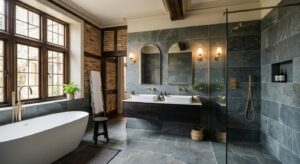
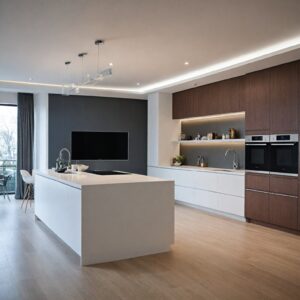
The renovation of the Amagansett beach house centered around a comprehensive update that included a complete remodel of the kitchen and bathrooms, refinishing of floors, and resurfacing and painting of walls throughout the home. The homeowners aimed not only to modernize the aesthetic but also to make minor adjustments to the existing floor plan to enhance functionality and flow.
Sustainable building practices played an important role in the project, with a focus on reusing materials already present in the built environment to minimize environmental impact. This approach aligns with recommendations from UNEP, which emphasize the potential for decarbonizing renovation projects through the reuse of existing materials, particularly in developed regions with aging building stock. Reclaimed wood salvaged from old structures was utilized as an eco-friendly building material, valued for its reduced environmental footprint and natural character that complements the coastal setting.
Coastal construction techniques were employed to ensure the home’s durability against environmental stresses common to seaside locations. Elevated foundations, impact-resistant windows, and reinforced roofing systems were selected to withstand harsh weather conditions and salt air exposure, thereby extending the longevity of the structure. Wood used in the renovation was sourced from sustainably managed forests, maintaining the project’s commitment to environmentally responsible materials.
Additionally, the treatment and preservation of wood incorporated natural, milder solutions rather than harsh chemical preservatives. These natural wood polishes and preservers are not only safer for the household but also work more harmoniously with the wood, enhancing durability without compromising health or environmental safety. Proper handling and disposal of any treated wood materials were conducted carefully to prevent contamination of surrounding water bodies during construction activities.
Design Features and Aesthetic Elements
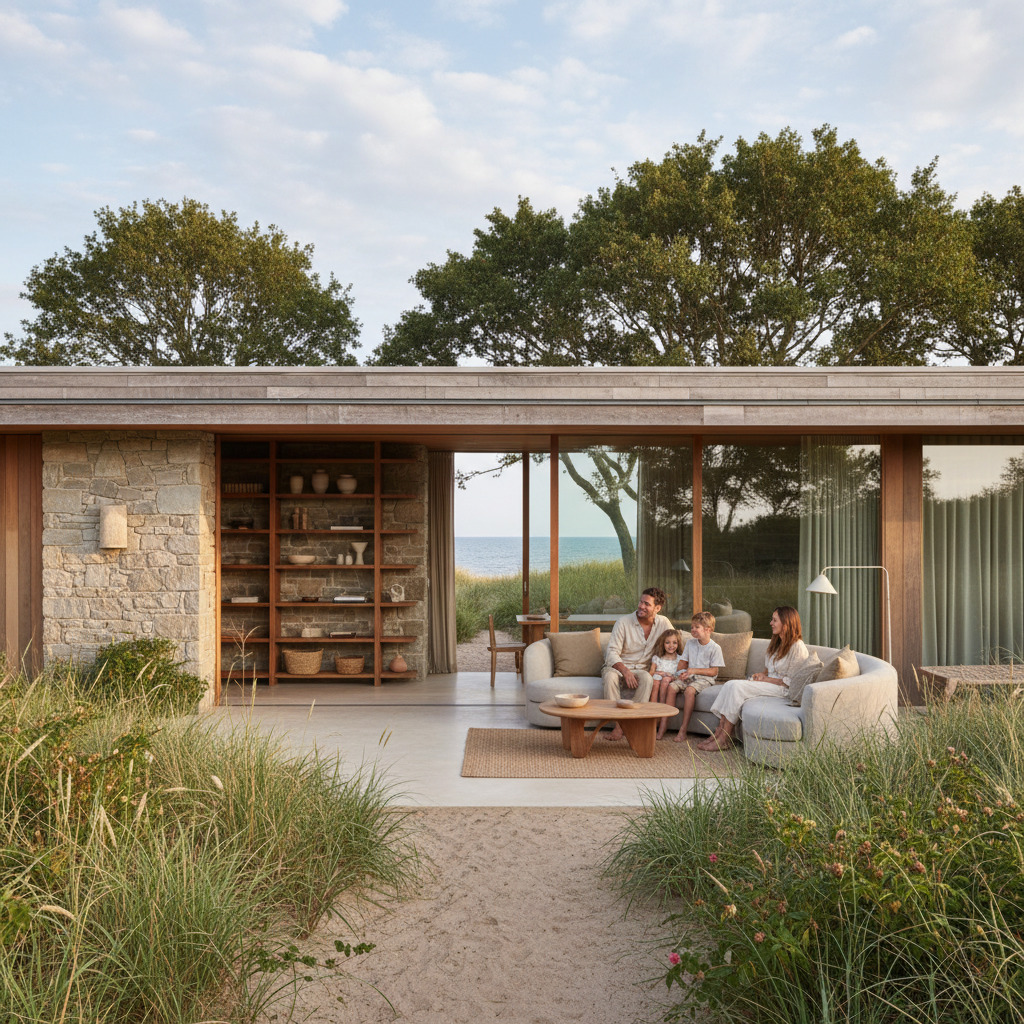
The design of the remodeled beach house emphasizes a neutral base enriched with natural textures, integrating coastal touches through fabric, art, and carefully selected accessories rather than relying on theme-heavy decorations. This approach creates a calming and cohesive environment that aligns with the serene ocean setting. The architects selected a palette inspired by the surrounding landscape, incorporating whites, beiges, and reddish browns that echo the exposed stone of the house and the rocks on which it sits. These colors are complemented by natural wood tones, earthy hues, and lime shades, resulting in a distinctly Mediterranean feel.
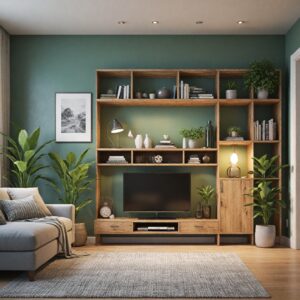
Sustainability and natural materials are central to the design ethos. The studio reused wooden beams to create custom shelves, minimizing new purchases and ensuring that most furniture integrates seamlessly with the overall aesthetic. Only a few pieces, such as stools and light fixtures, were procured, with careful attention to their harmony within the space. Bamboo was utilized for its impressive tensile strength, natural flexibility, and warm organic look, enhancing the eco-conscious character of the interiors. Additionally, ipe wood, known as Brazilian Walnut, was chosen for its exceptional durability and resistance to the harsh beach environment, including humidity, salt, and sand. Its natural oils provide protection against insects and deterioration, making it ideal for long-lasting use in coastal homes.
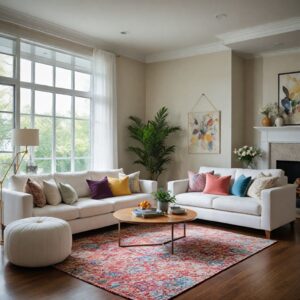
Natural fabrics like cotton and linen play an important role in reinforcing the coastal theme while maintaining comfort and breathability. These materials add texture and softness, balancing the hard surfaces of wood and stone. Accents such as clam shell elements transform traditional beach materials into refined statement pieces, blending organic inspiration with sophisticated design. Lighting design further enhances the space by highlighting the wood’s natural beauty and architectural features through layered approaches combining ambient, task, and accent lighting. This method softens darker wood tones with natural textures such as jute, rattan, and linen, creating a warm and inviting atmosphere.
Sustainability and Eco-friendly Practices
Sustainability is a fundamental aspect of transforming a beach house into a stunning natural wood home, as eco-friendly choices align naturally with coastal living aesthetics and environmental responsibility. One of the key materials used in such remodels is wood sourced from sustainably managed forests or reclaimed sources. Reclaimed wood, salvaged from old buildings, warehouses, and ships, significantly reduces environmental impact by repurposing existing lumber and avoiding the demand for new timber. This practice not only conserves natural resources but also adds unique character and history to the home.
In addition to reclaimed wood, other sustainable materials commonly employed include natural stone, bamboo, recycled steel, cellulose insulation, and low-VOC paints. These materials contribute to a durable and visually appealing home while minimizing carbon emissions and energy consumption. For instance, recycled steel offers structural strength with a lower environmental footprint compared to newly mined steel, helping reduce greenhouse gas emissions. Using materials that have already been manufactured, such as recycled or salvaged components, represents a highly effective strategy to decarbonize construction and renovation projects, particularly in developed economies with extensive existing building stock.
Eco-friendly practices extend beyond materials to include the use of organic fabrics like linen and cotton for furnishings, energy-efficient lighting solutions, and durable outdoor furniture made from recycled materials. These choices enhance the sustainability of the beach house interior while maintaining the desired natural, coastal ambiance.
Furthermore, natural wood preservation techniques that avoid harsh chemicals in favor of milder, natural solutions support the longevity of wood elements in the home while ensuring safety for occupants. This approach cooperates with the wood rather than degrading it chemically, making it a safer and more affordable option for families.
Ultimately, building and remodeling with sustainability in mind leads to significant long-term benefits. Green building practices reduce carbon emissions, save energy, and lower energy bills over time, all while creating beautiful, resilient homes that harmonize with their coastal surroundings.
Reception and Impact
The renovation of the Amagansett beach house has been widely appreciated for its thoughtful design and natural aesthetic. Homeowners, an NYC couple, aimed to create a neutral, light-filled space with a subtle beachy feel that harmonizes with the changing seasons outside, a goal that has resonated strongly with both residents and design enthusiasts alike. The project’s focus on retaining the raw beauty of materials—favoring unvarnished finishes to highlight their natural textures—has been particularly praised as a defining aspect that sets the home apart from typical remodels.
Architects involved in the project emphasized the importance of the collaborative relationship with the homeowners, noting that this connection was crucial to achieving the fluidity and coherence present in both the design and the living experience of the home. This human-centered approach, coupled with strategic design choices like selecting exterior materials that reflect surf shack vibes rather than traditional stucco, has contributed to the project’s unique identity and appeal.
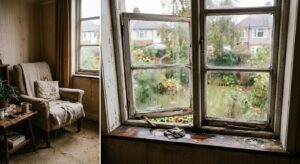
The remodel included significant updates such as a complete kitchen and bathroom overhaul, floor refinishing, and wall resurfacing and painting, all of which contributed to the home’s modern yet natural aesthetic. The transformation has been documented through before-and-after visuals that further highlight the dramatic improvement in both function and style, drawing attention from the broader design community.
The content is provided by Avery Redwood, Home Upgrade News