Summary
The Ultimate Guide to Transforming Your Outdoor Space: Costs, Design Ideas, and Dream Kitchens Unveiled provides a comprehensive resource for homeowners seeking to create functional, beautiful, and personalized outdoor living environments. It covers all critical aspects of outdoor space transformation—from initial planning and budgeting to design inspiration and maintenance—emphasizing how thoughtful integration of elements such as landscaping, lighting, and outdoor kitchens can dramatically enhance both lifestyle and property value. The guide underscores the importance of strategic planning to avoid common pitfalls like piecemeal additions and budget overruns, while offering practical advice for balancing aesthetics with long-term durability and usability.
Central to the guide is the detailed exploration of outdoor kitchens, which remain a highly sought-after feature in outdoor design. It highlights popular layouts like L-shaped and U-shaped kitchens that optimize space and workflow, material choices prioritizing weather resistance and durability, and the integration of appliances and coverage options to extend usability. Budget considerations are thoroughly addressed, including typical cost ranges, labor expenses, and strategies to manage hidden costs such as permits and maintenance, helping homeowners make informed decisions without compromising quality.
The guide also delves into key design ideas that transform outdoor spaces into cohesive, inviting areas. Topics such as lighting innovations, landscaping styles, low-maintenance plant selections, and decorative accents illustrate current trends that emphasize warmth, comfort, and seamless indoor-outdoor flow. Importantly, it stresses the value of professional input and multiple contractor quotes to ensure projects meet both creative and financial goals.
While offering extensive benefits, the guide does not overlook challenges inherent to outdoor space projects, including budgeting difficulties, material selection, and ensuring safety and usability. It advocates for upfront, transparent budgeting and careful design integration to avoid common controversies such as incomplete projects or mismatched features, thus empowering homeowners to realize their dream outdoor spaces successfully and sustainably.
Planning Your Outdoor Space
Designing an outdoor space requires more than aesthetic decisions; it involves careful planning, budgeting, and consideration of long-term use to ensure the space is both functional and enjoyable. A critical first step is to clearly define your goals and map out each area, including seating zones, walkways, and focal points. This helps avoid piecemeal additions—such as adding a fire pit here and a garden bed there—that can disrupt the overall flow and create clutter in your outdoor environment.
Budgeting plays a crucial role in the planning process. Establishing a detailed budget prevents running out of funds mid-project and leaving areas incomplete. It is important to account for hidden costs such as permits, drainage, and maintenance to avoid unexpected expenses later on. Prioritize the most important features and allocate a specific budget for each element to stay on track and maintain a balance between your vision and your financial limits.
When considering layout options, functional designs like L-shaped or U-shaped outdoor kitchens can maximize space and efficiency, especially when working with the dimensions and shape of your patio. Simpler layouts, such as straight-line or L-shaped configurations, are generally easier and more affordable to construct since they require fewer utility lines, such as gas, water, and electricity. Starting with basic components—like a grill island—and expanding gradually as the budget permits allows for flexibility and manageable investment over time.
The choice of materials and features significantly impacts both cost and durability. Premium countertop and cabinetry materials, while more expensive upfront, often provide superior durability and reduce maintenance and repair costs in the long term. Moreover, including covered outdoor rooms or multifunctional spaces is becoming increasingly popular, as they address space allocation needs and privacy desires better than open yards, which rank lower among design professionals.
Finally, involving professional landscapers can help refine your plan and provide more accurate cost estimates. Landscaping projects typically range from $4.50 to $14.50 per square foot depending on complexity, with more elaborate features such as outdoor kitchens or ponds reaching the higher end of the spectrum. Labor costs generally account for 20% to 40% of the total budget and are often folded into flat-rate fees by contractors. Obtaining multiple quotes from professionals can ensure you find a balance between quality and cost.
By integrating thoughtful design, realistic budgeting, and professional guidance, you can create an outdoor space that is both beautiful and functional, enhancing your lifestyle for years to come.
Design Ideas for Outdoor Spaces
Designing an outdoor space offers homeowners the opportunity to extend their living area into the outdoors, creating a personal oasis that reflects their style and meets their functional needs.
Lighting and Ambiance
Lighting has evolved beyond mere functionality to become a key component of outdoor design. Smart outdoor lighting systems controlled via smartphone apps allow homeowners to customize the ambiance with ease. Incorporating a blend of accent lighting, pathway illumination, spotlighting on trees or garden features, and overhead string lights transforms outdoor areas into magical retreats after dark. Using solar-powered or low-voltage lighting options enhances safety while adding visual interest along walkways and steps.
Outdoor Living Areas
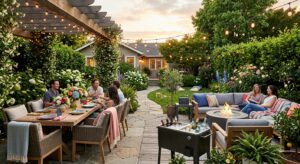
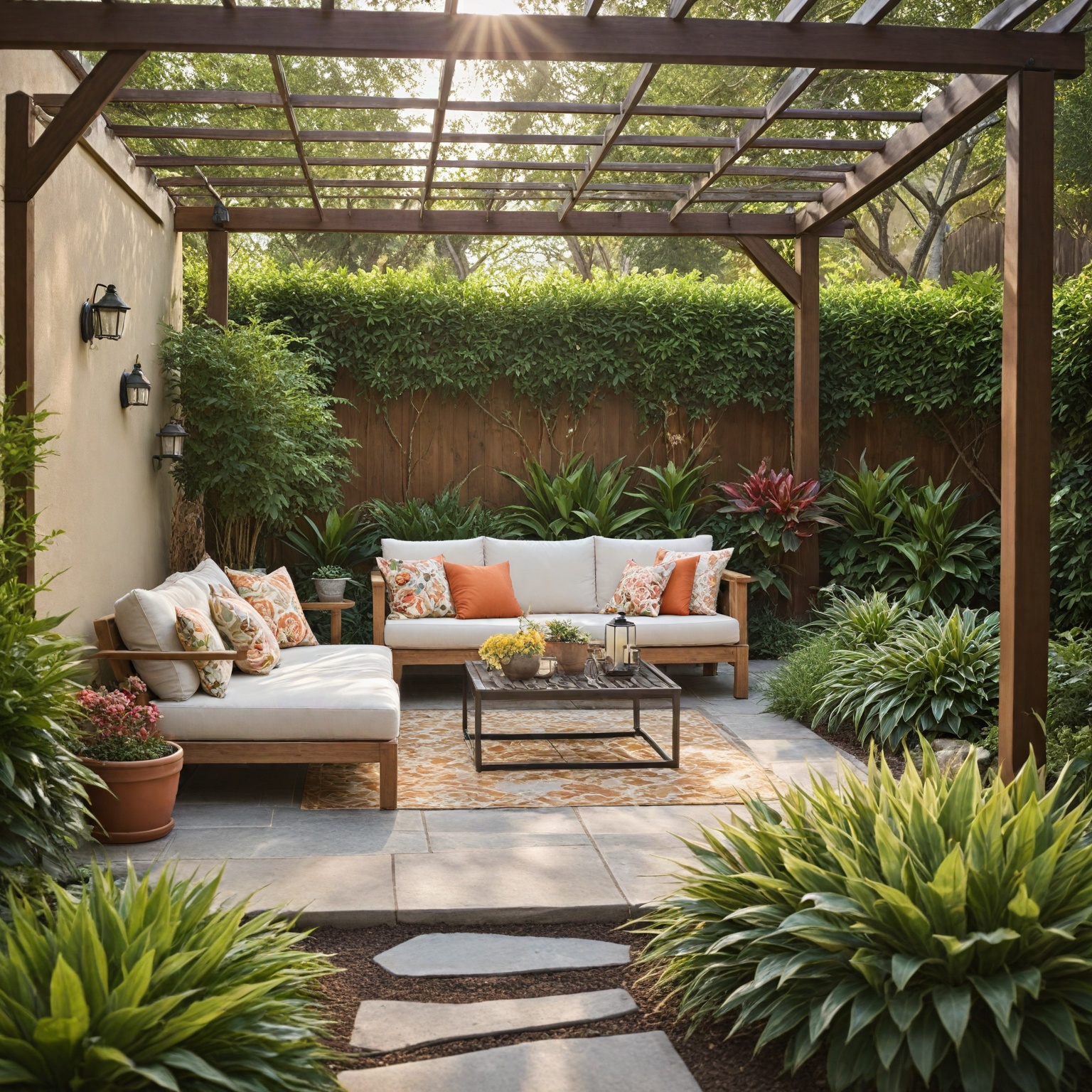
Creating dedicated outdoor living spaces is a popular trend, requiring consideration of factors such as available space, local climate, and budget. A well-designed outdoor living area can include comfortable seating with plush cushions, fire pits, and ambient lighting to facilitate relaxation and entertaining. The addition of lightweight, movable furniture such as wooden benches and flexible armchairs can increase usability, allowing the space to adapt to different occasions and weather conditions.
Outdoor Kitchens and Cooking Spaces
Outdoor kitchens remain a top dream for many homeowners. Design ideas range from simple grill setups to fully equipped kitchens with built-in bars and side burners. Incorporating features like pergolas or gazebos provides shelter and defines the kitchen area, while integrated cabinets and appliances such as refrigerators and hot water heaters enhance convenience and functionality. Popular kitchen layouts include L-shaped and U-shaped designs that optimize space and workflow on the patio.
Landscaping and Hardscaping
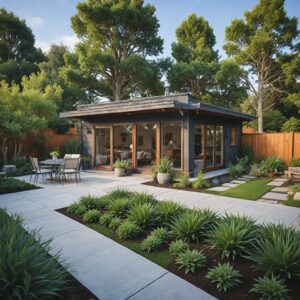
Landscaping serves as the foundation of any garden project by selecting and placing plants and other natural elements to enhance beauty and usability. Combining softscape elements (plants, flowers, shrubs) with hardscape features (stone patios, walkways, decks) achieves a balanced outdoor environment. Hardscape elements not only add structure but also create inviting gathering spaces that can be enjoyed year-round. Popular landscaping styles include Cape Cod and Colonial, each characterized by unique plants, materials, and decorative accents such as pergolas, stone walls, and picket fences.
Low-Maintenance Plant Selection
Choosing low-maintenance plants suited to the local climate and hardiness zone reduces upkeep while maintaining vibrant greenery. For cooler climates, hardy plants like Iceberg Alley Sageleaf Willow and Ninebark shrubs provide seasonal interest with minimal care. In warmer zones, plants such as Boston ferns thrive when kept in containers to avoid overcrowding and damage from cold temperatures.
Decorative and Functional Accents
Adding decorative elements such as outdoor area rugs can help define different zones within the outdoor space and add warmth. Accent pieces in calming color palettes, including creams and blues, complement natural surroundings and create a cohesive design. Incorporating water features, like black metal scupper fountains, and tile backsplashes in entertainment areas can further elevate the ambiance and visual appeal.
By thoughtfully combining these elements—careful planning, versatile living areas, integrated kitchens, balanced landscaping, strategic lighting, and curated plant selections—homeowners can transform their outdoor spaces into stunning, functional retreats tailored to their lifestyle and aesthetic preferences.
Transforming Outdoor Kitchens
A well-designed outdoor kitchen seamlessly integrates with its indoor counterpart, creating a harmonious flow that enhances both cooking and entertaining experiences. Achieving this connection involves incorporating design elements such as matching cabinetry finishes, coordinating colors, and similar flooring materials to blur the boundaries between indoor and outdoor spaces. This fusion not only elevates the aesthetic appeal but also provides functional convenience, allowing homeowners to enjoy a luxury culinary retreat that complements their home’s architecture and landscaping.
When planning an outdoor kitchen, layout and materials play crucial roles. Popular layouts include simple L-shaped or U-shaped designs, which maximize space efficiency while keeping construction manageable and costs lower by minimizing the need for extensive plumbing and electrical work. The choice of materials must prioritize durability, as outdoor kitchens are exposed to the elements. Stainless steel cabinetry, especially powder-coated variants, is favored for its corrosion resistance and design versatility, with 304 or 316L grade steel being top choices for structural integrity. Countertops crafted from materials like concrete, granite, engineered quartz, and sintered stones such as Neolith provide both durability and an upscale appearance, replicating indoor kitchen aesthetics while withstanding outdoor conditions.
Appliances are fundamental to the outdoor kitchen’s functionality and convenience. Grills often feature built-in or separate gas side burners for flexible cooking options, while refrigerators and ample storage are essential yet sometimes overlooked components. Customization allows the kitchen to cater specifically to the homeowner’s cooking style and entertaining needs, enabling additions over time based on budget and space constraints. Coverage options such as pergolas or pavilions can extend usability through different seasons, though they add complexity to design and construction.
Budget considerations encompass material costs, appliances, and professional labor, which typically accounts for 20% to 40% of the total budget. While premium materials may have higher upfront costs, their longevity and reduced maintenance can offer greater value in the long term. Moreover, careful planning that avoids piecemeal additions helps maintain a cohesive outdoor living space that is both functional and visually appealing, with clear zones for cooking, seating, and circulation.
Enhancing outdoor kitchens often involves extending indoor elements such as kitchen islands outward to create bar seating areas, establishing an inviting space for social interaction. Additionally, integrating hardscaping elements like concrete, metal, and glass can contribute to a modern and polished look, further transforming the outdoor area into a luxurious living environment. Through thoughtful design and quality materials, outdoor kitchens can revolutionize how homeowners engage with their outdoor spaces, creating an elegant and practical extension of their homes.
Cost Breakdown and Budgeting Tips
Designing and building an outdoor space requires careful budgeting to ensure that the project is completed without financial shortfalls. Budgeting effectively helps avoid incomplete areas and unforeseen expenses such as permits, drainage, or ongoing maintenance. Prioritizing essential features and allocating specific budgets for each element can help maintain control over overall costs.
Key Cost Components
Outdoor Kitchen Costs
The average cost of an outdoor kitchen is approximately $16,480, with most projects falling between $6,348 and $26,903. Basic setups may start as low as $1,000, while luxury builds can exceed $60,000. Per-square-foot prices typically range from $200 to $600, influenced by materials, appliances, and features. Labor costs usually account for 20% to 40% of the budget and are often charged as a flat percentage rather than hourly. Labor rates generally range from $50 to $150 per hour.
Outdoor kitchens can vary from simple grill, sink, and prep areas to fully customized kitchens with luxury amenities such as ovens, refrigerators, and dishwashers. High-quality countertop and cabinetry materials may increase upfront costs but often offer greater durability and lower long-term maintenance expenses.
Landscaping and Design Services
Professional landscaping services typically cost between $4.50 and $14.50 per square foot, depending on the complexity of the project. Simple softscaping projects lean toward the lower end, whereas elaborate features like man-made ponds or outdoor kitchens increase costs toward the higher end. Landscape designers usually charge hourly rates of $50 to $150, with average design plans costing around $4,590 but varying widely based on property size and complexity.
Materials and Structural Costs
The choice of materials greatly affects budget and durability. Common outdoor kitchen frame materials include metal, wood, concrete blocks, and plastic, with metal frames being the most popular due to their strength and longevity. Budget-friendly yet durable options such as composite decking, stone, and weather-resistant metals reduce maintenance costs while offering long-term value.
Budgeting Tips for Success
- Account for Hidden Costs: Include permits, drainage, and future maintenance in your budget to avoid surprises.
- Prioritize Features: Focus spending on the most important elements of your outdoor space to ensure a functional and aesthetically pleasing result.
- Consider Labor Costs: Labor is often the largest single expense, potentially representing up to 80% of the total budget, especially for landscaping work.
- Use Mixed Materials: Combining new, used, or ex-display appliances and materials can significantly reduce costs, sometimes saving up to 70% off retail prices.
- Plan for Longevity: Investing in durable, weather-resistant materials may have higher upfront costs but typically leads to savings in maintenance and repairs over time.
-
Design Integration: A well-designed outdoor kitchen should complement the home’s architecture and landscaping while offering a seamless indoor-outdoor cooking and entertaining experience.
By carefully breaking down costs and planning strategically, homeowners can transform their outdoor spaces into beautiful, functional environments that align with their budgets and lifestyle needs.
Common Challenges and Solutions
Creating a unique and functional outdoor space that complements a home can present several challenges, but with careful planning and informed decisions, these obstacles can be overcome effectively. One of the primary challenges is addressing common design issues that arise when trying to enhance curb appeal while ensuring usability. Many homeowners face difficulties such as piecemeal additions that disrupt the flow of the space, neglecting privacy, or selecting unsuitable materials that do not withstand outdoor conditions.
Budgeting is another critical area where homeowners frequently encounter problems. Without a clear budget, projects risk running out of funds before completion, leading to unfinished or poorly integrated areas. Common budgeting mistakes include failing to account for hidden costs like permits, drainage, and ongoing maintenance, which can significantly impact the overall expenditure. A practical solution is to prioritize key features, allocate specific budgets to each element, and maintain transparency about potential expenses from the outset.
Design considerations such as lighting, safety, and material selection also require attention. Incorporating good lighting and non-slip surfaces, along with sturdy handrails, not only enhances safety but also makes the space more inviting and usable throughout different times of the day. Choosing weather-resistant furniture materials and planning for covered areas can help outdoor living rooms remain beautiful and functional over time despite exposure to the elements.
Cost-saving strategies are vital to manage expenses without compromising quality. For instance, mixing and matching used or ex-display items—such as outdoor kitchen appliances and stone worktops—can save homeowners up to 70% off retail prices while still delivering durable and high-end features. Additionally, functional kitchen layouts like L-shaped or U-shaped designs maximize space efficiency, helping to create a practical cooking and dining environment tailored to the patio’s dimensions.
Finally, connecting with professionals early in the design process and seeking unbiased advice about construction costs can improve outcomes and avoid surprises. Companies like Yardzen emphasize upfront budget discussions to personalize designs that fit both the client’s vision and financial parameters, ensuring a smoother project experience and a more satisfying final outdoor space.
By addressing these common challenges with strategic planning, realistic budgeting, thoughtful design, and smart purchasing, homeowners can transform their outdoor areas into beautiful, functional, and long-lasting environments that enhance their lifestyle and property value.
Maintenance and Upkeep
Proper maintenance and upkeep are essential to ensure the longevity and functionality of an outdoor kitchen and the surrounding space. Regular attention to both the kitchen appliances and the outdoor environment can prevent costly repairs and preserve the aesthetic appeal.
One key aspect of upkeep involves managing seasonal changes. Depending on the local climate, yard maintenance may include leaf removal in the fall and snow plowing in the winter to keep the outdoor area safe and accessible. For outdoor plants, selecting low-maintenance varieties
Inspiration and Trends
The latest trends in outdoor space design emphasize creating cozy, inviting environments that foster connection and comfort. Moving away from cold, minimalist aesthetics, the current approach embraces personality and warmth, incorporating features like outdoor kitchens, dining areas, and pergolas furnished with comfortable seating to encourage social interaction and relaxation.
Luxury outdoor living spaces often include sophisticated elements such as fire pits, plush seating areas, and fully equipped outdoor kitchens, transforming backyards into elegant retreats ideal for entertaining guests in style. Additionally, homeowners are expanding the traditional concept of outdoor living by designing social front yards that blend gardening with social spaces, which is especially beneficial for those with smaller or pre-existing backyards.
To personalize and inspire their designs, individuals are encouraged to explore diverse outdoor photos in various colors and styles, saving ideas or consulting professionals who can tailor concepts to specific homes. Integrating indoor style into outdoor kitchen designs is also a popular trend, allowing for seamless transitions between indoor and outdoor living spaces while upgrading cooking and entertaining areas.
When selecting materials and appliances for outdoor kitchens, style and budget are important considerations, but durability remains a key factor due to the wide range of options available. Essential appliances, such as side burners, are increasingly seen as vital components of a fully functional outdoor cooking space.
Finally, finishing touches like outdoor area rugs and mood lighting—including string lights and lanterns—help define and enhance outdoor living areas, adding ambiance and a sense of permanence to these versatile spaces.
The content is provided by Sierra Knightley, Home Upgrade News