Summary
Unlock Your Home’s Potential: Create the Perfect Storage Solution for Every Space is a comprehensive guide dedicated to helping homeowners and renters optimize their living environments through effective, stylish, and practical storage solutions. Recognizing that clutter and inefficient storage can negatively impact both the functionality and aesthetics of a home, this topic explores a wide range of strategies to maximize space, especially in small or irregularly shaped areas. The page underscores the importance of thoughtful storage design in transforming homes into organized, calming sanctuaries that accommodate evolving needs without sacrificing style or comfort.
The article covers various types of storage solutions, from modular shelving units and custom-built cabinetry to multifunctional furniture and specialized racks, providing tailored approaches for different rooms and unique spatial challenges. Emphasis is placed on assessing available space accurately, incorporating modern technologies like 3D visualization apps for planning, and selecting materials that balance durability with environmental considerations. It also discusses the benefits and limitations of custom versus ready-made options, helping readers make informed decisions aligned with their budget and design goals.
Addressing common storage challenges across kitchens, bedrooms, living areas, and utility spaces, the content offers practical tips for organizing belongings efficiently while maintaining accessibility and ease of maintenance. It highlights innovative solutions such as hidden compartments, vertical and lateral storage utilization, and creative repurposing of architectural niches, enabling homeowners to unlock the full potential of even the most awkward spaces.
While the guide focuses on functional and aesthetic improvements, it also emphasizes sustainability and environmental responsibility in storage choices, encouraging the use of durable materials, recycling practices, and eco-friendly designs. By integrating these principles, the page provides a holistic resource for creating personalized storage systems that are not only effective and visually appealing but also mindful of long-term impact and budget constraints.
Importance of Efficient Storage Solutions
Efficient storage solutions play a crucial role in maintaining an organized and functional living space. They help store items effectively, freeing up valuable living areas for other purposes and reducing visible clutter, which contributes to a calming and inviting home environment. Particularly in homes with limited square footage, clever and versatile storage options are essential to maximize every inch of space.
Moreover, storage solutions that are adaptable can be repurposed across different areas of the home, increasing their utility and longevity. Addressing storage challenges, such as accommodating small or awkwardly shaped spaces, is key to creating a harmonious balance between order and aesthetics within the home.
Incorporating storage seamlessly into a home’s design requires attention to several principles, including functionality, proper scale, cohesive materials, and adequate lighting. When done well, storage enhances the overall aesthetic appeal while remaining accessible and durable, making everyday living more enjoyable. Ultimately, investing in thoughtful storage solutions transforms homes into sanctuaries of order that can efficiently accommodate a growing collection of possessions without sacrificing style or comfort.
Assessing Your Space
When planning storage solutions, the first and most crucial step is to thoroughly assess your available space. Understanding the size, shape, and unique characteristics of each area will enable you to design effective and efficient storage that maximizes usability. Small or awkwardly shaped areas often present challenges, but with careful consideration, these spaces can be transformed into functional storage zones rather than cluttered or wasted corners.
It is important to evaluate both your current and future storage needs during the design process. This foresight ensures that the storage solution will accommodate your belongings over time, preventing the need for frequent redesigns or additional units later on. Taking accurate measurements is essential; modern home measurement apps such as RoomScan Pro or MagicPlan offer user-friendly tools to capture precise dimensions and create detailed 3D visualizations of your space, making it easier to plan layouts and avoid costly mistakes.
Additionally, considering factors such as lighting and color can influence how spacious or cohesive a room feels, especially when dealing with irregular shapes. Strategically placed ambient lighting and lighter color schemes can make compact or oddly shaped rooms appear more open and inviting, enhancing both functionality and aesthetic appeal.
Types of Storage Solutions
Home storage solutions come in a wide variety of forms, each designed to address different organizational needs and spatial constraints. Selecting the right type can significantly enhance both functionality and aesthetics in any room.
Shelving Units
Shelves are among the most versatile and popular storage solutions, available in numerous styles and designs to suit various spaces and purposes. They can be wall-mounted or freestanding and are used to store everything from books and office supplies to cookware and pantry goods. Modular shelving units, in particular, offer flexibility to organize oddly shaped or unique items by allowing customization through rearrangement, combining sleek modern design with practicality. Open shelving is another option often used in kitchens with limited upper cabinets, providing affordable extra space while requiring careful styling to avoid a cluttered look.
Cabinets and Drawers
Storage cabinets and drawers provide enclosed solutions that help maintain a tidy appearance by concealing belongings. Custom-designed cabinets maximize awkward spaces and corners, incorporating features such as pull-out drawers, deep shelving, and built-in organizers tailored to specific needs. Deep U-shaped drawers can facilitate easy access to cleaning products and kitchen essentials in a single motion. Additionally, multifunctional cabinets can combine storage with other uses, such as integrating a coffee bar nook or a dog feeding station. Small-space storage also benefits from decorative storage containers that group similarly sized items visibly, blending storage with room aesthetics.
Specialized Racks and Units
For bulky or irregularly shaped items, specialized storage options like cantilever racks are ideal. These are designed to handle long or cumbersome goods such as timber, pipes, metal rods, and large furniture pieces, filling gaps where traditional shelving might fall short.
Multifunctional Furniture and Hidden Storage
Furniture pieces with built-in storage compartments serve dual purposes, optimizing space in small or irregularly shaped rooms. Sofas, chairs, benches, and even coffee tables can include hidden storage for items like blankets, toys, or magazines. Repurposing existing spaces, such as transforming a shallow closet into a home office or a dry bar, can also create bonus storage while enhancing functionality. Mobile solutions like upcycled factory carts offer flexible, sustainable storage options that can be rolled away when not needed.
Storage Bins and Containers
Choosing storage bins based on the items to be stored and opting for varied container sizes instead of identical bins helps maintain an organized and efficient system across different rooms. These bins range from simple plastic containers to eco-friendly handcrafted options, and some brands emphasize recycled materials to blend organization with environmental consciousness. Innovative ideas, such as using rotating Lazy Susans in deep cabinets and refrigerators, facilitate easier access to stored items without the need to remove multiple objects.
Custom and Built-In Solutions
Custom storage solutions enable the effective use of every inch of space, especially in challenging areas. Built-ins can incorporate multiple functions, including seating, workspace, and storage, making them particularly useful in homes with limited room or awkward layouts. Incorporating storage along typically wasted spaces such as around doorways or under stairs also enhances storage capacity without encroaching on living areas.
By considering these various types of storage solutions—ranging from modular shelving and custom cabinetry to multifunctional furniture and specialized racks—homeowners can create organized, clutter-free spaces tailored to their unique needs and styles.
Classification of Storage Solutions
Storage solutions can be broadly classified based on their design, functionality, and suitability for different spaces and purposes. Choosing the right type often depends on the size of the area, the nature of items to be stored, and personal aesthetic preferences.
Furniture-Based Storage
One prominent category includes versatile furniture pieces that double as storage units. These pieces can accommodate a wide variety of items such as tableware, cookware, clothing, bedding, books, electronics, mail, keys, and small trinkets. Besides their storage function, their flat surfaces often serve as display areas for decorative objects that enhance the room’s interior style. Selecting durable materials like sturdy plywood or solid wood for these furniture units ensures longevity and ease of maintenance.
Custom and Built-In Storage
For spaces with unique or irregular layouts—such as rooms with sloped ceilings, narrow passages, or oddly shaped corners—custom or built-in storage solutions are highly effective. These options maximize function and style by adapting to the room’s specific architecture. Creative arrangements, including built-ins or cleverly placed furniture in underutilized areas like beneath stairs, can transform challenging spaces into organized and stylish storage zones.
Considerations for Choosing Storage
When selecting storage solutions, it is important to consider both convenience and appropriateness. Storage must not only be accessible but also easy to maintain in an organized state. The function of stored items and how frequently they are used significantly influence the choice of storage type, with professional organizers emphasizing solutions tailored to individual needs and habits. Additionally, brand reputation, materials, and construction quality play important roles in ensuring that storage furniture remains durable and functional over time.
Materials and Design Considerations
When creating effective storage solutions, selecting the right materials and design approaches is crucial to ensure durability, functionality, and aesthetic appeal. The choice of materials often depends on the intended use, location, and desired look of the storage unit.
Steel is a predominant material in self-storage construction due to its strength, longevity, and resistance to warping, pests, and fire. It maintains structural integrity through varying seasonal conditions and requires minimal maintenance, making it ideal for building storage facilities with durable exteriors such as metal panels for walls and roofs. For food-related storage, high-quality food-grade stainless steel such as Type 316 or Type 304 is recommended for hygiene and durability.
Wood is another popular choice, especially for indoor storage solutions. Solid wood species like oak or maple are favored for furniture and storage units because of their strength and longevity, while plywood offers a cost-effective and manageable option for building storage compartments. Lightweight wood paired with standard-size plastic bins can create practical, space-saving units without the need for bulky materials. Custom wooden crates and stacking frames are effective for storing fragile or irregularly shaped items, providing protection and efficient use of space.
In terms of furniture material, metal frames provide durability for pieces like beds and outdoor furniture, whereas fabrics chosen for homes with pets should be durable, easy to clean, and hair-repellent to withstand daily wear. Sustainable materials such as bamboo and natural fibers are gaining popularity for storage bins and furniture, combining environmental benefits with functional design.
Design considerations go beyond material choice. Integrating storage seamlessly into a home’s overall aesthetic involves balancing functionality, scale, lighting, and accessibility. Minimalist and Brutalist styles emphasize clean lines and hidden storage, while creative use of space—including underutilized nooks, oddly shaped rooms, or small awkward areas—can optimize storage without sacrificing style. Upcycled and industrial elements, such as vintage crates or metal shelving units, add character and sustainability to storage solutions, enhancing both function and decor.
Maximizing storage in small spaces often requires innovative thinking. Wall-mounted cubes or rectangular shelf units can save floor space, while custom designs tailored to unique room shapes help maintain a clutter-free and serene environment. Overall, combining thoughtful material selection with smart design strategies enables homeowners to unlock their home’s potential by creating perfect storage solutions for every space.
Custom vs. Ready-Made Storage Solutions
When considering storage solutions for the home, homeowners often face the choice between custom-designed and ready-made options. Each approach offers distinct advantages depending on the specific needs, space constraints, and aesthetic goals.
Custom Storage Solutions
Custom storage is tailored to fit unique spaces and specific organizational requirements. This approach is especially beneficial for awkwardly shaped or small areas such as sloped ceilings, irregular corners, and narrow layouts where standard furniture may not fit efficiently. Custom designs allow for features like pull-out drawers, deep shelving, and built-in organizers that maximize space utilization while enhancing functionality. By prioritizing collaboration with homeowners, designers can address particular challenges, creating solutions that seamlessly integrate with the home’s overall design and style.
In addition to spatial efficiency, custom storage offers aesthetic advantages. Thoughtful design principles such as proper scale and proportion, cohesive material choices, adequate lighting, and clutter concealing techniques contribute to a harmonious balance between storage and interior design. This level of personalization often results in storage solutions that are both practical and visually pleasing.
Ready-Made Storage Solutions
Ready-made storage options provide versatility and convenience. They are widely available and often come in modular formats, which offer flexibility for various uses throughout the home. Modular shelving units, for example, can be rearranged to accommodate oddly shaped or unique items, blending modern appearance with practicality. These solutions are typically more affordable and accessible for immediate needs.
However, ready-made options may fall short when dealing with highly irregular spaces or specific functional demands. Although they can be adapted creatively, such as using underutilized nooks or choosing multi-purpose furniture, their fixed dimensions and design can limit optimization. Nonetheless, many homeowners find that mixing ready-made pieces with creative arrangement techniques can effectively declutter and organize living areas.
Choosing Between Custom and Ready-Made
The decision between custom and ready-made storage often hinges on the homeowner’s goals, budget, and the spatial characteristics of the home. Custom storage is ideal for maximizing functionality in challenging spaces and achieving a cohesive aesthetic through collaboration with designers. Conversely, ready-made solutions offer flexibility and ease of implementation, suitable for those seeking practical, multi-use storage without extensive customization.
In many cases, a combination of both approaches can provide the best results—custom features can address problem areas while ready-made components offer adaptable and cost-effective storage elsewhere in the home. Ultimately, selecting durable, high-quality materials and considering long-term usability will ensure that storage solutions remain effective and visually appealing over time.
Maximizing Storage in Small and Irregular Spaces
Maximizing storage in small or irregularly shaped spaces poses unique challenges but also offers opportunities for creative solutions that enhance both functionality and aesthetics. One of the primary difficulties is working around unconventional features such as sloped ceilings, alcoves, irregular angles, and narrow layouts, which often limit standard furniture placement and storage options.
A key strategy in these environments is to think vertically and laterally. Utilizing vertical space through tall shelving or wall-mounted storage can significantly increase capacity without encroaching on limited floor area. Similarly, lateral storage solutions such as toe-kick drawers, soffit storage, and behind-door shelving capitalize on otherwise overlooked spaces, effectively adding valuable storage without disrupting room flow. Customizing storage units to fit the specific dimensions and angles of the space is essential; bespoke furniture can turn awkward niches and non-perpendicular walls into flush, usable areas, thereby maximizing storage without sacrificing style.
Specific architectural features present particular opportunities. For example, sloped ceilings can accommodate built-in shelving along their lower edges, while the highest points in the room are ideal for placing lower-profile furniture to preserve headroom. Alcoves can be transformed into functional zones like reading nooks or compact home offices using space-saving furniture such as wall-mounted desks and foldable seating. Additionally, under-stair areas—commonly wasted spaces—can be converted into cozy reading corners, storage cabinets, or even powder rooms, optimizing these hidden spots for both practical use and increased home value.
Moreover, embracing the unique lines and angles of irregular rooms can lead to innovative seating arrangements and storage configurations that follow the natural architecture of the space, turning what might initially seem like a limitation into a defining feature of the home. Incorporating furniture with hidden compartments—such as sofas, benches, and chairs—further enhances storage possibilities while maintaining a clean, uncluttered appearance.
Ultimately, the combination of thoughtful vertical and lateral storage, customized furniture solutions
Design Strategies for Challenging Spaces
Awkward or oddly shaped spaces within a home often pose significant challenges for storage and organization, frequently resulting in clutter or underutilized areas. However, these design obstacles present unique opportunities for creative and functional solutions that maximize both space and style. By approaching these spaces with innovation and thoughtful planning, homeowners can transform them into efficient and aesthetically pleasing storage zones.
One effective strategy involves the use of custom-built furniture tailored precisely to the dimensions and contours of challenging areas. For instance, custom cabinetry can be designed to fit awkward corners, sloped ceilings, or narrow layouts, ensuring every inch of available space is utilized. Features such as pull-out drawers, deep shelving, and built-in organizers can enhance functionality by making stored items more accessible and organized. Additionally, custom cabinetry may incorporate multifunctional elements, such as integrating a dog feeding station at the bottom or creating counter-height cabinets that double as coffee bar nooks.
Open shelving offers another versatile solution, especially in kitchens or rooms lacking upper cabinets. While it provides affordable additional storage, careful arrangement is necessary to prevent the shelves from appearing cluttered. Mounting small cubes or rectangular shelf units on walls can also increase storage capacity without occupying floor space, which is particularly beneficial in tight areas.
In spaces requiring storage for irregularly shaped or heavy items, specialized systems like adjustable cantilever racks or custom wooden crates can be employed. These solutions not only accommodate unique dimensions but also ensure the safe storage of fragile or high-value goods. Stacking frames and wire mesh decking further enhance organization by stabilizing large or ventilated items such as textiles or chemical containers.
For do-it-yourself enthusiasts, building simple, low-cost storage units using standard-sized plastic bins and plywood can provide customized, flexible storage tailored to specific needs. Such units can be constructed to fit within existing architectural constraints and can be adapted easily over time.
Finally, flexible storage furniture pieces are valuable additions to any room, offering both storage capacity and display surfaces. These versatile units can house a wide range of items—from tableware and cookware to books and electronics—while complementing the interior decor. Overall, integrating these design strategies allows homeowners to unlock the potential of even the most challenging spaces, creating storage solutions that are both practical and stylish.
Tools, Technologies, and Techniques for Custom Storage Projects
Creating custom storage solutions involves a blend of practical tools, innovative technologies, and effective techniques that cater to specific organizational needs. Utilizing the right combination of these elements can maximize space, improve accessibility, and enhance overall home functionality.
Essential Tools and DIY Techniques
Building your own storage units can be a rewarding and cost-effective endeavor that also sharpens carpentry skills. Simple projects, such as constructing a toolbox for basic tools or maximizing hand tool storage with a sliding pegboard system, can be achieved with materials commonly found at home centers and sporting goods stores. For example, a four-foot-long by-pass sliding door hardware set paired with mounted pegboard allows for efficient tool organization while conserving space. These DIY techniques not only offer financial savings but also enable customization to suit individual storage requirements, something pre-built options often lack.
Advanced Technologies for Planning and Visualization
Modern technology plays a pivotal role in designing tailored storage solutions. Home measurement apps like RoomScan Pro and MagicPlan provide accurate space measurements and 3D visualizations, simplifying the process of planning and avoiding costly errors. MagicPlan, in particular, offers enhanced 3D visualization features that help users better understand their space and design possibilities. When selecting a measurement app, factors such as accuracy, user-friendliness, and design capabilities are crucial to achieving precise and practical layouts.
3D Storage Planning Software
Beyond measurement, 3D storage planning software like HomeByMe transforms the approach to space organization by enabling users to create detailed, visual floor plans customized to their unique needs. These tools support the integration of augmented reality (AR) and data-driven insights, making it easier for homeowners and retailers alike to balance style and functionality. For furniture retailers, offering such solutions can differentiate their services by enhancing customer experience and facilitating better space management.
Tailoring Storage to Functionality
A professional approach to storage emphasizes matching solutions to the function and frequency of item use. A home organizer’s expertise often lies in selecting storage containers and methods that ensure items are both accessible and easy to maintain. This consideration is crucial for creating storage that not only declutters but also supports daily living effectively.
Common Storage Challenges by Room
Storage challenges vary significantly from room to room, each presenting unique obstacles that require tailored solutions to maximize space and functionality.
Kitchen
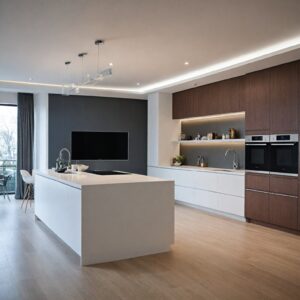
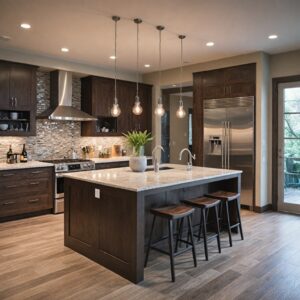
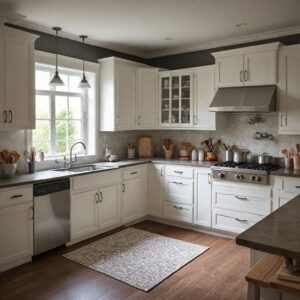
Kitchens are often the busiest rooms in a home and require adequate storage not only for food but also for cutlery, cookware, appliances, and other essentials. A common design challenge is avoiding blocking natural light sources such as windows with storage units or appliances. Instead, designing around these features helps maintain an open and inviting atmosphere while ensuring sufficient storage. Proper kitchen storage solutions include cabinetry—wall cabinets or shelves—that keep items accessible yet organized. Additionally, kitchens must accommodate enough counter space and allow multiple people to move freely to prevent accidents during meal preparation. Without adequate storage and workspace, kitchens may feel cramped and inefficient, indicating the need for renovation or redesign.
Bedroom
Bedrooms often face the challenge of limited space combined with a high demand for storage. It is common to encounter overcrowded closets and drawers, which result from attempting to store more items than the space allows. The key solutions include downsizing possessions or relocating some storage to other parts of the home. Innovative ideas like under-bed storage with built-in drawers or sliding boxes can optimize otherwise wasted space, keeping clothes and shoes neatly stored yet accessible. Custom-built features such as L-shaped shelves, rounded corner units, and built-in alcoves help make use of awkward spaces while adding aesthetic appeal. Ensuring the storage structure is durable and easy to access, such as with smooth-gliding mechanisms, enhances usability.
Living Spaces and Small Rooms
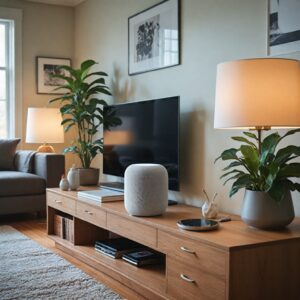
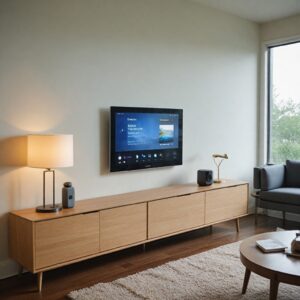
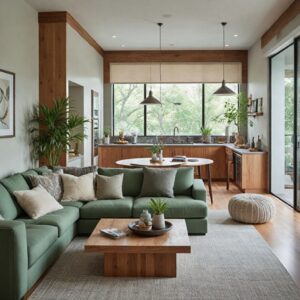
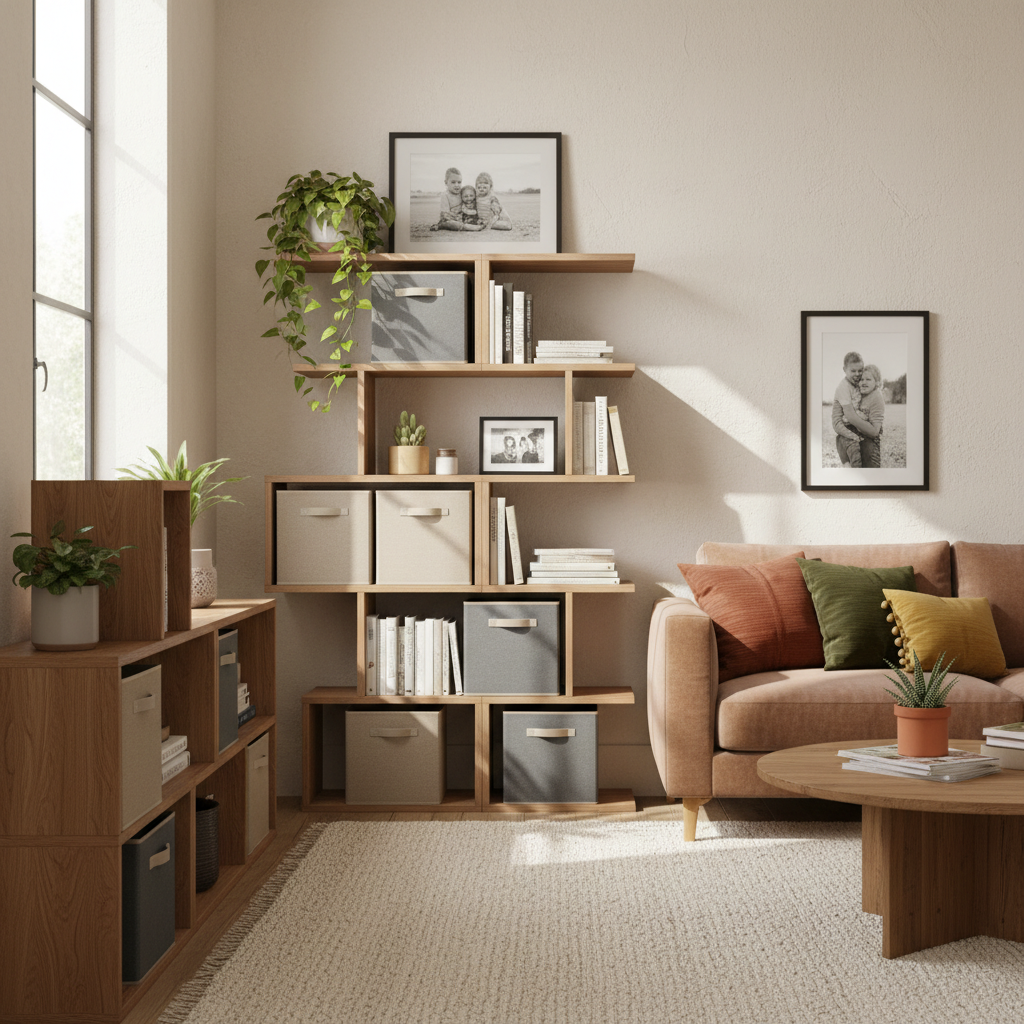
Living rooms and other small spaces often lack traditional storage options, requiring creative strategies to maintain a tidy environment. Visible storage areas can be used effectively by grouping similarly sized items in decorative containers that complement the room’s style. Open storage units like wall-mounted cubes or rectangular shelves save floor space and reduce clutter. Utilizing bins or baskets to sort items by category or family member ensures everything has a designated home. At the same time, hidden storage solutions keep less attractive items out of sight but within reach, maintaining a calm and inviting atmosphere even in small or awkward spaces.
Basement, Garage, and Utility Areas
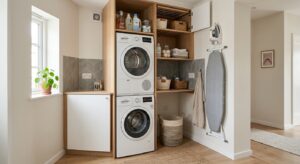
Basements and garages pose distinct challenges due to their size, function, and often limited built-in storage. DIY storage systems incorporating a mix of drawers, shelves, pegboards, and overhead racks can greatly improve organization. Ceiling-mounted racks provide valuable space for seasonal or infrequently used items, but they must be securely anchored to handle weight safely. Affordable, customizable storage solutions tailored to the specific tools and materials stored in these areas allow homeowners to transform underutilized spaces into efficient, orderly storage zones.
General Challenges Across Rooms
Awkwardly shaped or small spaces are a universal challenge when maximizing storage potential. Custom designs featuring pull-out drawers, deep shelving, and built-in organizers are effective ways to utilize corners and nooks that would otherwise remain unused. Versatile storage pieces that serve multiple purposes, such as bookshelves doubling as workspaces, contribute to more functional living environments. Strategically choosing container sizes, planning storage locations before organizing, and balancing visible and hidden storage all play crucial roles in overcoming spatial limitations.
Planning and Executing DIY Storage Projects
When undertaking a DIY storage project, careful planning is essential to ensure the solution meets both current and future needs. Start by assessing the available space and determining what kind of storage will best suit your requirements, whether for oddly shaped rooms, sloped ceilings, or narrow layouts. Creative and innovative solutions can help maximize both function and style, turning design challenges into opportunities for unique organization.
Begin by selecting the appropriate materials based on the intended use and location of the storage unit. For example, durable metals such as food-grade stainless steel (Type 316 or Type 304) provide a clean, minimalist look and are ideal for kitchen or food storage, while natural fibers like bamboo offer sustainable options for bins and organizers. For larger projects, such as self-storage buildings, the choice of exterior materials, like metal panels, should be made during the design phase to balance durability with aesthetics.
Using modular shelving units can add flexibility and adaptability, especially for storing irregularly shaped items. These units allow for customization and rearrangement to optimize the available space, combining practicality with a modern appearance. Additionally, incorporating built-in organizers, pull-out drawers, and deep shelving can help make use of awkward corners and maximize storage capacity.
Accurate measurements are critical for successful project execution. Utilizing home measurement apps such as MagicPlan or RoomScan Pro enables precise floor planning and 3D visualization, which helps avoid costly errors and allows you to experiment with different layouts before building. Following a structured approach, such as an 8-step process for constructing your storage unit, can streamline the project and ensure you have all necessary tools and materials on hand to complete the transformation in a timely manner.
By combining thoughtful design, careful material selection, and modern technology, DIY storage projects can effectively declutter spaces and create versatile, stylish solutions tailored to individual needs.
Organizing and Maintaining Storage Systems
Effective organization and maintenance of storage systems begin with understanding the specific needs of your space and belongings. Storage solutions should be selected based on the function of the items being stored and the way the owner uses them, ensuring convenience, accessibility, and ease of upkeep. Proper sorting of items, especially when it comes to recycling, requires adherence to local facility regulations to promote environmental responsibility.
A strategic approach to organizing involves thoughtful choices such as selecting storage bins tailored to the type of items, using containers of varying sizes rather than identical bins, and identifying appropriate storage locations before packing items away. This methodical planning can be applied across different areas of the home, including bedrooms, bathrooms, kitchens, living rooms, closets, garages, and toy rooms, enabling efficient decluttering and better space utilization.
Labels play a critical role in maintaining order within storage systems. Professional organizers often rely on a variety of labels, with chalkboard labels being a popular choice due to their stylish appearance and the ability to update them easily as storage needs evolve. Small organizational tools, like adhesive hooks, can maximize space by enabling items such as measuring spoons to be hung inside cabinet doors, keeping them accessible yet out of the way.
For waste management, matching bins designated for trash, recycling, and compost can keep these areas tidy and help separate materials effectively. When possible, integrating pull-out cabinets or drawers for waste bins can conceal unsightly or odorous contents, contributing to a cleaner environment.
Technological advancements also support organizing and maintaining storage systems. Home measurement apps like MagicPlan provide precise measurements and 3D visualizations, aiding in designing custom storage solutions that fit perfectly within available spaces. These tools simplify the planning process and help create tailored, efficient storage setups.
Environmental and Budget Considerations
Sustainability has become an essential mindset in creating effective storage solutions, evolving beyond a passing trend into a permanent approach to organizing homes. When aiming for environmentally friendly storage, it is important to prioritize proper recycling practices by sorting items according to local regulations to ensure effective waste management. Many existing storage products, especially plastics purchased before awareness of their environmental impact, may not align with sustainable goals, highlighting the importance of making conscious choices moving forward.
From a materials perspective, selecting durable and long-lasting furniture can reduce the need for frequent replacements, thus minimizing waste. Solid woods such as oak and maple, as well as metal frames, are recommended for their strength and longevity, while particle board and flimsy plastics should be avoided due to their short lifespan and proneness to damage. For households with pets, opting for durable, easy-to-clean, and hair-repellent fabrics further enhances the practicality and lifespan of furniture.
Budget-friendly storage solutions need not compromise on environmental values. Affordable and DIY ideas like shelving, multipurpose furniture, and repurposed items such as storage baskets or even empty tissue boxes can provide efficient organization without excessive spending or waste. Creative approaches like decanting cleaning supplies into larger containers or installing smart shelving units not only optimize space but also encourage reuse and reduce clutter. Integrating these strategies allows homeowners to unlock their home’s potential while balancing environmental responsibility and budget constraints.
Case Studies and Examples
One notable example of innovative storage solutions comes from the brand Thuma, based in San Francisco. Rooted in minimalist design and eco-conscious craftsmanship, Thuma creates furniture that balances timeless aesthetics with functionality. Their award-winning platform beds and versatile storage units are crafted from 100% upcycled wood, designed to be durable and environmentally friendly. These pieces not only offer practical storage options but also elevate everyday living through thoughtful design details.
In small or awkwardly shaped spaces, creativity is essential to maximize storage and maintain a clutter-free environment. For instance, vertical storage techniques such as pegboards, floating shelves, and tall bookcases allow homeowners to utilize wall space efficiently without sacrificing floor area. These strategies help to keep clutter out of sight and create a visually calming atmosphere.
Versatile furniture pieces can serve multiple purposes across different rooms. For example, storage units that accommodate tableware, clothing, bedding, or books can also provide flat surfaces to display decorative items, blending utility with style. This multifunctional approach is particularly effective in small homes where space is at a premium.
Homeowners often face challenges when organizing bedrooms, especially as families grow or guests visit. In these cases, adaptive storage solutions such as modular units and creative layouts—rather than traditional bed-centered designs—can optimize room usage and provide additional storage without overcrowding the space.
Moreover, visible storage can be both functional and aesthetically pleasing when executed thoughtfully. Grouping similarly sized items in decorative containers or mesh organizers can help maintain order while complementing the room’s style. For instance, in kitchens, organizing wraps and paper goods in stylish holders not only keeps essentials accessible but also contributes to a neat appearance.
The content is provided by Harper Eastwood, Home Upgrade News