Summary
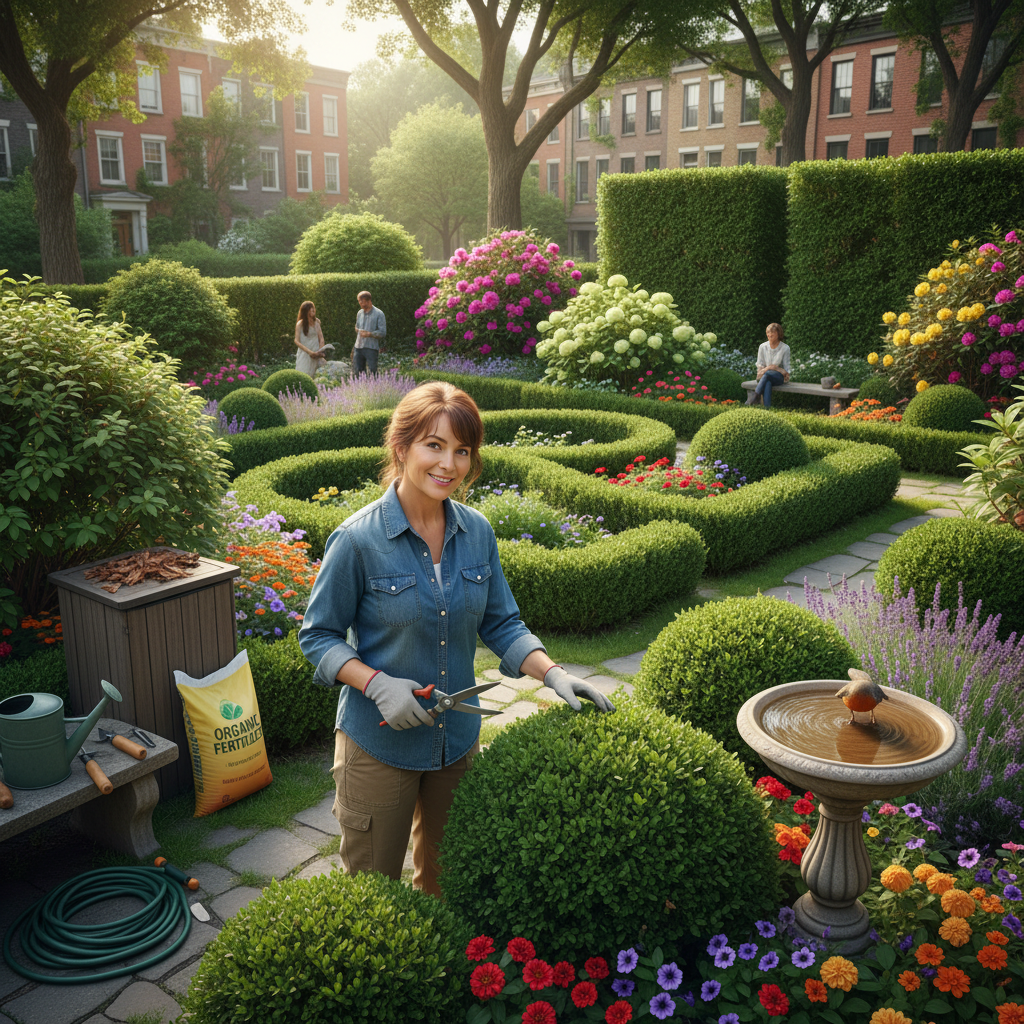
Unlocking Hedge Mastery: Key Techniques for Thriving Garden Boundaries provides guidance on cultivating functional and attractive hedges. Understanding plant selection, site conditions, planting techniques, and maintenance is key. This guide emphasizes choosing hedge species that match climate and desired function, alongside sustainable practices like organic fertilization and pest management. It also considers community-related issues stemming from hedge growth.
Understanding Hedge Mastery
Effective hedge cultivation blends patience with horticultural knowledge. Select hedges based on intended size and purpose, such as privacy or wind protection. Regular maintenance practices including pruning, watering, and fertilization are crucial for health and resilience. Thoughtful design maximizes ecological benefits, linking habitats and contributing to biodiversity, while enhancing visual appeal.
Planning Your Garden Boundaries
Consider environmental conditions when selecting hedge species to achieve beauty and function. Assess factors like location, climate, and soil type to ensure long-term viability. Align hedge design with home architecture and personal maintenance capabilities. Native plants are beneficial for wildlife and local adaptation. Make sure to prepare soil properly and implement effective planting techniques for success.
Key Techniques for Hedge Planting
Define the hedge’s purpose—privacy, boundary, or ornamental value—before planting. Match species to environmental conditions and maintain uniformity for ease of care. Proper planting techniques, including soil amendments and appropriate spacing, promote healthy growth. Post-planting, ensure deep and regular watering, and use mulch to enhance soil moisture retention.
Hedge Maintenance Practices
Ongoing maintenance is vital for hedge health and aesthetic value. Regularly inspect for pests and diseases, using integrated management strategies to minimize chemical use. Pruning should be based on species and seasonal growth patterns, ensuring density and vitality. Watering practices must adapt to plant needs, while mulching and fertilization support growth and suppress weeds.
Pest and Disease Management
Inspect hedges frequently for pests and take preventative measures against diseases such as root rot and fungal infections. Ensure good air circulation and avoid overhead watering to mitigate disease risks.
Pruning and Trimming
Maintaining a regular pruning schedule, tailored to hedge species, promotes healthy growth and shapes the hedge effectively. Utilize appropriate tools for clean cuts that support plant health.
Watering Practices
Deep, slow watering is crucial for newly planted hedges, decreasing frequency as plants establish. During dry periods, ensure thorough watering is maintained at the base and drip zone.
Fertilization and Mulching
Annual fertilization and regular mulching support nutrient retention and soil health. Organic fertilizers and mulch enhance soil conditions and reduce weed competition.
Tailoring Maintenance to Hedge Species and Environment
Adapt maintenance approaches based on specific hedge needs and local conditions, such as climate and soil type, to ensure successful growth and health.
Advanced Hedge Shaping and Design
Advanced shaping techniques, such as topiary, enhance both structure and aesthetics of hedges. Incorporate geometric principles for formal designs while considering modern influences. Properly shaped hedges not only beautify but strengthen ecological integrity, contributing to sustainable landscaping.
Troubleshooting Common Issues
Address common problems through correct pruning and species selection to maintain hedge health. Environmental factors like wind require protective measures, and understanding disease prevention is essential in managing hedge vitality.
Sustainable Practices in Hedge Management
Emphasizing organic practices supports both hedge health and environmental sustainability. Native species enhance biodiversity and require less maintenance, while composting hedge clippings contributes to soil health. Implement sustainable irrigation and drainage solutions to mitigate disease risks.
Recommended Hedge Species for Various Conditions
Select hedge species based on local conditions and desired functions. Native options optimize ecological benefits, while low-maintenance shrubs appeal to gardeners seeking ease of care. Formal hedges require species amenable to consistent shaping and trimming.
Best Practices for Long-Term Hedge Health
Regular care ensures ongoing hedge health; effective watering, fertilization, and pest management are essential. Monitoring plant health through inspections facilitates early intervention for potential issues. Utilizing the right tools supports effective maintenance practices.
Case Studies and Examples
Historical and modern applications of hedges demonstrate their versatility and aesthetic value. Effective management requires proper plant selection and maintenance practices to ensure hedges serve both functional and ecological roles within garden landscapes.
The content is provided by Jordan Fields, Home Upgrade News