
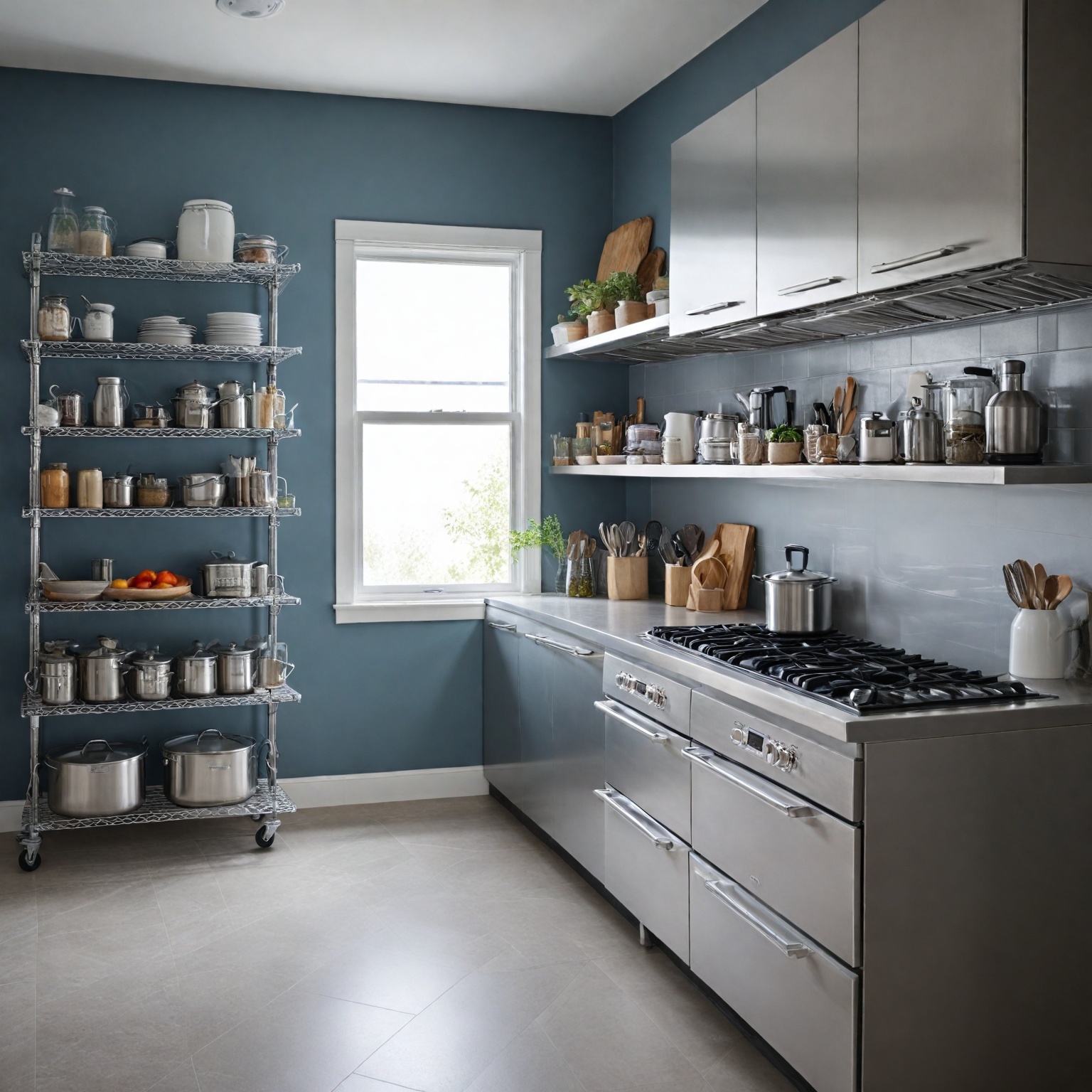
Summary
Wire shelving is a versatile storage solution widely used in residential, commercial, and industrial environments to optimize organization and space utilization. Characterized by its open-grid metal design, wire shelving offers advantages such as strength, durability, and breathability, making it particularly suitable for environments requiring moisture control and hygiene, including kitchens, healthcare facilities, and food service industries. Its modular construction allows for customizable configurations and accessory add-ons like baskets, drawers, and casters, which enhance both functionality and aesthetic appeal.
Developed over centuries from early storage practices to modern patented designs, wire shelving has evolved into a preferred choice due to its adaptability and compliance with industry standards. Materials commonly used include stainless steel, galvanized steel, and chrome-plated steel, often treated with protective coatings like epoxy to resist corrosion and wear. Certifications from organizations such as NSF International and adherence to ISO standards further ensure wire shelving’s safety, sanitation, and quality for specialized applications.
Despite its widespread adoption, wire shelving faces criticisms related to durability and maintenance. The open-wire structure can be prone to bending, snagging, and difficulty in thorough cleaning, which may pose challenges in strict hygiene environments if not properly maintained or certified. Additionally, wire shelving’s aesthetic, while modern and functional, may not suit all interior design preferences, limiting its decorative versatility in some settings.
Nonetheless, wire shelving continues to gain popularity due to its heavy-duty load capacity, customizable features, and space-saving benefits. Its ability to blend practicality with style has transformed it from a purely utilitarian item into a dynamic design element in homes, offices, and industrial spaces worldwide.
History and Development
Shelving has a long and varied history, evolving alongside human needs for storage and organization. Archeological evidence suggests that as early as the 4th century BC, ancient Egyptians stored papyrus rolls on shelves designed to accommodate their cylindrical shape, reflecting one of the earliest known instances of dedicated shelving for document storage. The first officially registered patent for a shelving rack construction was granted in the 19th century. On November 24, 1857, J.H. Phillips patented the “Cheese Shelf” (US18702 A), a shelving design intended for storing and ripening cheese in warehouses. This invention marked a significant milestone, highlighting the commercial importance of specialized shelving solutions. Another key innovation in shelving development was the introduction of pallets, which revolutionized warehouse storage by improving the efficiency of cargo handling and organization. Later, in 1968, T.J. Finlayson patented the design of deep or entry shelving, expanding the range of shelving types available and addressing needs for deeper storage capacity.
In more recent decades, wire shelving has emerged as a versatile and popular storage solution in homes, offices, retail spaces, and industrial environments. Its modular design allows for a wide range of sizes, typically from 8 inches deep by 8 inches wide up to 36 inches deep by 72 inches wide, catering to diverse storage requirements. Wire shelving also supports add-on units and accessories such as baskets and drawers, further enhancing its functionality. Despite its many advantages, wire shelving has faced criticism regarding durability, as its construction using multiple wires can make it susceptible to bending, warping, or misalignment compared to solid shelving alternatives. Nonetheless, wire shelving remains favored for its adaptability, heavy-duty capacity, and organizational benefits, making it a cornerstone in modern storage systems for both residential and commercial uses.
Materials and Construction
Wire shelving units are primarily constructed from various grades and types of steel, selected for their strength, durability, and resistance to environmental factors. The most common materials used include stainless steel, galvanized steel, and chrome-plated steel, each offering distinct advantages depending on the intended use and setting. Stainless steel is the preferred choice for high-humidity and sanitary environments such as kitchens and healthcare facilities due to its inert, non-toxic nature and exceptional rust resistance. Typically containing 10.5–11% chromium and less than 1.2% carbon, stainless steel resists corrosion effectively, resulting in a longer lifespan and suitability for outdoor or wet conditions. Some stainless steel shelving units even incorporate antimicrobial agents within their finish to inhibit the growth of bacteria, mold, mildew, and fungi, enhancing hygiene and safety.
Chrome-plated wire shelving is another popular option, especially for indoor settings like offices, dormitories, and retail spaces. Constructed usually from galvanized steel, these shelves undergo an electroplating process that deposits a layer of chrome or nickel-chrome alloy, providing a smooth, glossy finish. This coating improves the shelf’s resistance to rust and corrosion while offering an attractive, modern aesthetic. The strength of chrome wire shelving depends on the gauge of steel used; lower gauge numbers indicate thicker, more robust shelves capable of supporting heavier loads.
In addition to metal choice, many wire shelving units receive protective coatings to enhance durability. Epoxy coatings, applied through a process of spraying and heat curing at temperatures between 320°F and 410°F, create a resilient barrier that prevents peeling, rusting, and discoloration. This finish also resists chips, corrosion, and chemical exposure, making epoxy-coated wire shelving ideal for environments with high humidity or frequent contact with water and salts. The gauge of the steel, ranging from 12G to 22G, directly influences the shelf’s load capacity and wear resistance. For example, 12-gauge steel shelving is heavier and stronger than 22-gauge, making it suitable for industrial or heavy-duty applications. Furthermore, stainless steel grades such as 303 are commonly used in custom wire forms and baskets due to their versatility and machinability.
Design and Features
Wire shelving units have evolved far beyond their original purpose of simple storage solutions to become versatile, aesthetically pleasing fixtures in both home and business environments. Their design emphasizes a combination of strength, durability, and adaptability, which makes them a powerful tool for organization and display. One of the defining characteristics of wire shelving is its construction material—most modern racks are made of metal, often steel, which provides notable strength and the ability to support heavy or bulky goods without compromising visual appeal. For example, zinc-plated steel wire-shelving posts feature adjustable legs that allow for height modification in 1-inch increments, accommodating various vertical space limitations. This adjustability is complemented by shelves that can individually support up to 800 pounds, underscoring their robust capacity.
The modular nature of wire shelving units is further enhanced by accessories and add-ons such as lockable casters, which enable easy mobility of fully loaded units, and footplates that can be bolted to the floor to increase stability for heavy-duty storage needs. In addition, wire shelving often comes with options for bins, drawer inserts, and built-in storage cabinets, which expand organizational efficiency and allow users to customize their setups according to specific storage requirements.
Aesthetically, wire shelving can serve as more than just functional storage. Designs such as those by Mezzanine Interiors showcase how wire shelves with locker-style wire doors create a balance between concealment and display, adding a country-chic yet modern vibe to interior spaces. The open shelving areas also mimic natural elements, contributing to an appealing visual harmony. Moreover, the metal framework itself becomes a design feature, highlighted by adjustable shelf heights that emphasize the shelving’s structural skeleton.
Customization extends to sizing and cutting as well. Users can shorten wire shelves with tools like bolt cutters or hacksaws, ensuring that the shelving fits perfectly within desired spaces. To maintain safety and prevent snags after cutting, plastic shelf end caps are used to cover the trimmed wires. Additionally, wire shelving units often accommodate clothing bars and basket inserts, further expanding their functionality.
The wire thickness and configuration can vary between brands, affecting factors such as the lip design on the front edge of shelves. Some feature two parallel wires forming a lip, with spacing differences that may influence security and cost. While many wire shelves use simple hooks for attachment, users sometimes employ additional measures like safety wire to secure shelves more firmly to brackets for enhanced stability.
Benefits and Advantages
Wire shelving offers numerous benefits that make it an indispensable tool for both home and business organization. One of the primary advantages is its versatility, allowing users to creatively customize and optimize their storage solutions across various settings, from residential rooms to healthcare facilities and warehouses. The adjustable height feature commonly found in wire shelving units further enhances their adaptability, enabling users to tailor shelf spacing to accommodate different items and create visually appealing displays.
Durability and strength are key characteristics of modern metal wire shelving, which can support heavy and bulky goods while maintaining an attractive, clean appearance. These shelves are designed to withstand rigorous use, making them suitable for demanding environments such as hospitals, where critical supplies like surgical tools and medications must be easily accessible and well-organized to ensure smooth operational flow. Additionally, wire shelving’s open design promotes breathability, making it particularly advantageous for “wet” storage areas by enhancing air circulation and reducing moisture buildup.
Another significant benefit is compliance with sanitation standards, especially for industries involved in food storage. NSF International’s certification ensures that shelving products meet strict cleanliness and durability requirements, thereby reducing the risk of health code violations and improving long-term investment value for business owners. Inspecting shelving for certification and damage is essential, as compromised wire shelving can lead to practical issues such as snagging on clothing or packaging materials.
Wire shelving also supports efficient space utilization through add-ons like corner units and rolling track shelves, which expand storage capacity without sacrificing floor space. Beyond their functional role, these shelves can serve as stylish interior elements, contributing to the aesthetic appeal of a space. Thoughtful styling that contrasts colors, textures, and shapes can transform wire shelving from a purely practical item into a chic, modern design feature that complements a variety of decor styles.
Applications
Wire shelving offers versatile storage solutions across various environments, making it a popular choice for both residential and commercial use. In homes, wire shelving is widely used to organize pantries, wardrobes, and wine storage due to its durability, pest resistance, and customizable design. The gaps between the wires prevent rodents from hiding or climbing, which is a distinct advantage over traditional shelving. Additionally, wire shelving units can be configured to suit different garment types or color arrangements, providing tailored organization options for closets.
Beyond residential applications, wire shelving is integral in commercial and industrial settings. In offices and industrial companies, wire shelving facilitates efficient storage and organization of materials, contributing to streamlined workflows. Specialized wire shelving products, such as those manufactured for kitchen environments, are designed with high-quality materials like chrome or epoxy coatings to withstand humidity and frequent use, making them ideal for commercial kitchens and food service.
Healthcare facilities also rely on wire shelving systems to ensure that surgical instruments, medications, and medical supplies are stored safely and are easily accessible, supporting critical operational efficiency. Moreover, wire shelving that meets NSF certifications is commonly used in industries requiring stringent safety and sanitation standards, such as electronics and food service sectors, ensuring compliance with regulatory requirements and promoting long-term durability and cleanliness.
Installation and Maintenance
Installing wire shelving is generally a straightforward process, making it an accessible option for home, office, and business environments. Most wire shelving systems consist of shelves and supports that can be quickly and easily assembled with screws or clips, allowing for customizable configurations to suit various storage needs. For example, wall standards and brackets provide sturdy support and help prevent issues such as overloading and collapse, which can occur if lighter hardware designed for less demanding applications is used improperly.
Maintenance of wire shelving is equally important to ensure longevity, hygiene, and safety. Many wire shelving units, especially those designed for commercial and industrial use, are made from materials like stainless steel or epoxy-coated metal, which offer durability and resistance to rust and corrosion. For environments where cleanliness is critical—such as food service, healthcare, or laboratories—shelving must meet rigorous NSF certification standards. These standards ensure that shelves can be thoroughly cleaned and disinfected, with materials and designs that eliminate difficult-to-clean ridges and corners. Proper cleaning procedures typically involve degreasing surfaces, followed by disinfecting all exposed areas, including between wires and small crevices.
Additionally, certain specialized shelving options, like those with antimicrobial finishes, provide extra protection against bacteria, mold, mildew, and fungi, further enhancing their suitability for sanitary environments. Selecting shelving from reputable suppliers who adhere to quality management principles and industry standards, such as those certified to ISO 9001, helps guarantee the highest safety and performance levels for any installation.
Styling and Customization
Wire shelving offers a versatile foundation for creating both functional and aesthetically pleasing storage solutions in the home. When it comes to styling, achieving a balance between personal expression, practicality, and visual appeal is key. One effective approach is to prioritize contrast in color, size, texture, shape, and motif—pairing shiny with matte, textured with smooth, antique with contemporary, and vibrant with muted elements to create dynamic, eye-catching displays. Combining natural and synthetic materials alongside practical items and purely decorative pieces further enhances the overall look.
Customization options are abundant with wire shelving systems. They are often composed of modular wire shelves and supports that can be quickly assembled and adjusted to fit the user’s needs. For example, shelving heights can be switched to highlight particular items, and hanging baskets or clothing bars can be clipped or hung from the wire frames for added utility and style. To tailor shelving length, tools like bolt cutters or hacksaws can be used to trim the wire, with plastic end caps applied to avoid snags and injuries.
Wire shelving can be transformed through creative hacks as well. A popular renter- and homeowner-friendly idea involves converting standard wire shelves into chic, faux floating wood shelves, elevating the look while retaining the functionality of the wire framework. Incorporating wire doors or locker-style panels adds an additional layer of versatility, allowing users to partially conceal or showcase stored items, contributing to a country-chic yet modern aesthetic that blends rustic charm with practical design.
These shelves are no longer just utilitarian fixtures; they have evolved into marketing tools and design elements that contribute to interior decoration. By adding company logos or selecting specific colors, wire shelving can be used to promote brand identity or unify a space’s visual theme. Moreover, the metal construction provides durability and strength, capable of supporting bulky goods while maintaining an attractive appearance suitable for various rooms, including bathrooms and wardrobes.
Industry Standards and Certifications
The wire shelving industry is governed by a variety of standards and certifications that ensure quality, safety, and environmental responsibility. These certifications help manufacturers and suppliers demonstrate compliance with regulatory requirements while providing customers with reliable and durable products.
One of the primary regulatory bodies overseeing the industry is the U.S. Occupational Safety and Health Organization (OSHA), alongside the International Organization for Standardization (ISO). ISO certifications, such as ISO 9001 and ISO 14001, play a crucial role in this sector. The ISO 9001 Standard focuses on quality management principles, emphasizing the understanding of customer needs to ensure the consistent delivery of high-quality shelving systems. Meanwhile, the ISO 14001 standard highlights a company’s commitment to environmentally conscious operations, an increasingly important consideration for industrial shelving providers.
In addition to ISO standards, the NSF (formerly National Sanitation Foundation) certification is particularly significant for wire shelving used in sensitive environments such as healthcare, food service, and laboratory settings. NSF certification confirms that shelving units meet stringent health and safety criteria, including material durability and cleanability. These units are independently assessed rather than solely relying on manufacturer claims, which reassures customers about the suitability of the materials used across various settings.
NSF regulations place strong emphasis on material safety and hygienic design, requiring shelving to be free of ridges and corners that could harbor contaminants. This focus is especially critical
Comparison with Other Shelving Types
When selecting shelving for home or commercial use, wire shelving stands out among the two most common types: wired and solid shelving. Each type offers unique benefits that suit different storage needs and aesthetics.
Wire shelving is praised for its sleek, modern appearance and versatility. Unlike solid shelving, wire shelving allows for better air circulation, which can be advantageous in environments where moisture control is important, such as kitchens. Its metal construction enables it to blend seamlessly into various decor styles, making it not only functional but also visually appealing in home settings. Additionally, wire shelving often accommodates accessories such as baskets and drawers, expanding storage options and organization flexibility.
In terms of materials and durability, wire shelving systems are frequently made from metals like carbon steel, alloy steel, or stainless steel. While carbon and alloy steel provide substantial strength suitable for industrial applications, they may be prone to rust. Stainless steel, however, offers both strength and corrosion resistance, making it particularly ideal for food-safe environments and kitchens. Recent innovations in wire shelving designs, such as boltless assemblies, have further enhanced their ease of installation and adaptability.
On the other hand, solid shelving typically offers a more traditional, substantial appearance and may provide a warmer, more natural look when made from wood or similar materials. This style can complement casual kitchen designs, especially when combined with elements like wicker baskets that add texture and individuality to each shelf. Moreover, solid shelving may be preferable for storing heavier items, but it lacks the airflow and accessory versatility that wire shelving provides.
Environmental Impact
Wire shelving offers several environmental advantages, particularly when aligned with industry standards focused on sustainability. For instance, providers who earn the ISO 14001 certification demonstrate a commitment to environmentally conscious operations, which is an important consideration for businesses seeking to reduce their ecological footprint. This certification highlights efforts to implement effective health and safety programs that not only minimize accidents and sick leave but also promote environmental responsibility throughout the supply chain.
The materials used in wire shelving also contribute to its environmental profile. Steel, and especially stainless steel, is favored for its durability and longevity, reducing the need for frequent replacement and thus minimizing waste. The corrosion resistance of wire shelving allows it to maintain functionality over time, further supporting sustainable use by extending the product life cycle.
Moreover, certain designs such as epoxy-coated wire shelving combined with removable polymer drop mats enhance durability and ease of cleaning, which can help reduce the use of harsh cleaning chemicals and water consumption. This practical aspect complements the environmental benefits by promoting maintenance methods that are less resource-intensive.
Market and Industry Trends
The global retail shelving systems market is experiencing dynamic growth driven by innovations, evolving customer needs, and regulatory compliance. In 2023, product types such as deep entry shelving have dominated the market share, reflecting ongoing advancements in shelving design and functionality that cater to both retail and industrial applications. The industry is also shaped by quality standards like ISO 9001, which emphasizes understanding current and future customer demands to maintain product quality and safety in warehousing and storage solutions.
One notable trend is the increasing adoption of wire shelving, valued for its modern, multifunctional, and stylish appeal in both residential and commercial spaces. Wire shelving systems are praised for their ease of installation and customization options, making them a preferred choice for closet organizers and other storage needs. Additionally, shelving solutions are becoming highly optimized to maximize space, especially in constrained environments such as small kitchens and business backrooms. This optimization addresses a crucial need for efficient space utilization, which is essential for maintaining organization and smooth operations in fast-paced settings.
Criticisms and Limitations
Despite their many advantages, wire shelving units have several notable drawbacks that users should consider. One of the primary criticisms is the difficulty involved in cleaning these shelves. Due to the numerous wires and open spaces, thoroughly cleaning a wire shelving unit can be cumbersome, especially for larger units where dust and debris may accumulate in hard-to-reach areas. This complexity can potentially affect hygiene, particularly in environments that require strict sanitation.
Another limitation is the durability of wire shelving compared to solid shelving options. Wire shelves are prone to bending, warping, or becoming misaligned under heavy or uneven loads. The metal wires can snag on clothing or plastic items, leading to minor damage that may still result in citations during health inspections, especially if the shelving is not certified or properly maintained. Over time, these issues may compromise the shelving unit’s structural integrity and safety.
Weight capacity is another concern. While stainless steel wire shelving offers superior strength and can typically hold up to 800 lbs. per unit, exceeding the recommended weight limits can increase the risk of shelving collapse and damage to stored items. Users must remain vigilant about weight distribution to prevent accidents and prolong the life of the shelving.
Additionally, while stainless steel is corrosion-resistant and suitable for humid or food-safe environments, other materials like carbon and alloy steel, although strong, are more susceptible to rust and may require additional protective coatings such as epoxy to extend their lifespan. These coatings, while beneficial, add to the maintenance requirements and cost of the shelving system.
Lastly, the aesthetic appeal of wire shelving, although sleek and modern, may not suit all interior designs or personal preferences, limiting its versatility in certain home or office settings. Moreover, wire shelving is often seen primarily as a functional storage solution rather than a decorative element, despite recent efforts to incorporate branded and customized designs.
The content is provided by Avery Redwood, Home Upgrade News